
Comprehensive Guide: Advantages and Disadvantages of Purchasing Vehicles from Dealers versus Private Sellers
This comprehensive guide compares buying a car from a dealership versus a private seller, highlighting key advantages and disadvantages of each. It covers critical aspects such as paperwork, warranties, certification, price negotiation, and the buying process, helping consumers decide the best option tailored to their needs. The article emphasizes inspection importance, market research, and negotiation strategies to ensure a smooth, cost-effective, and satisfactory vehicle purchase experience. Make an informed decision by understanding what each selling method offers and the potential pitfalls involved.
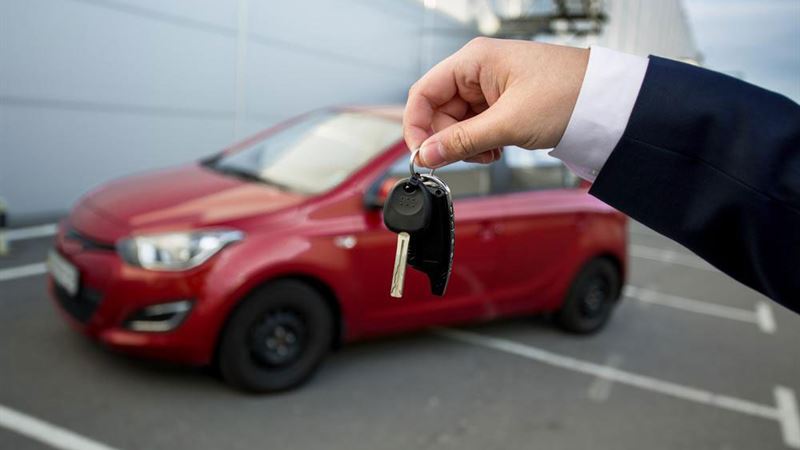
Understanding the Pros and Cons of Buying from Dealerships and Private Owners
Purchasing a vehicle is a significant decision that involves careful consideration of various factors. One of the most important decisions is whether to buy from a professional dealership or a private seller. Each option comes with its own set of advantages and disadvantages, which can greatly influence your overall buying experience, costs, and the quality of the vehicle you end up with.
When you choose to buy from a dealership, most of the administrative tasks associated with the purchase are managed by the dealer. This includes processing all the necessary paperwork such as title transfer, registration, and warranty documentation. Dealerships often provide financing options that make the process more manageable for buyers who may not have the full purchase amount upfront. Additionally, new or certified pre-owned cars from dealers typically come with warranty coverage, giving buyers extra peace of mind regarding potential future repairs or issues.
In contrast, buying directly from an owner generally involves a more straightforward, cash-based transaction. The seller might request payment in cash or via other agreed-upon methods, and there is usually no formal warranty or guarantee included. Buyers are responsible for verifying all documentation independently, which could include registration papers, service history, and title status. Missing paperwork or undisclosed issues can complicate the process, so it's crucial to conduct thorough due diligence when purchasing privately.
One key benefit of purchasing from a dealership is that vehicles often undergo a certification process. Certified pre-owned (CPO) vehicles are inspected thoroughly by trained technicians to meet specific safety and quality standards. These certifications provide added confidence in the vehicle’s roadworthiness and condition. Meanwhile, private sellers do not typically offer such assurances. Buyers need to hire their own experts or mechanics to assess the vehicle’s safety, mechanical condition, and overall reliability, which adds to the cost and effort required for private sales.
When considering certified vehicles, they generally undergo detailed inspections and testing where specialists evaluate critical components like brakes, engine, suspension, and electrical systems. Due to these rigorous assessments, certified cars are often a safer investment and can offer better long-term value.
Additionally, dealerships sometimes provide trade-in options, allowing you to exchange your current vehicle to offset the purchase cost. Such options are rarely available in private party transactions, where transactions tend to be straightforward cash deals without trade-in considerations.
Price negotiation is another critical aspect. Private sellers may be more flexible and open to bargaining since their primary goal is to sell quickly and for cash. This flexibility can give buyers an edge in getting a better deal. Conversely, dealership prices tend to be more standardized, aligned with market values, and less negotiable. However, dealerships’ pricing often reflects added value through warranties, certification, and financing options, which might justify the costs.
To ensure you pay a fair price, it’s advisable to research the current market value of the vehicle by consulting reputable sources such as automotive guides, online marketplaces, and pricing tools. This way, you can make an informed decision and avoid overpaying.
Another aspect to consider is the sales process. Car salespeople at dealerships are typically motivated by commissions, which sometimes results in high-pressure sales tactics. They may push you towards a particular model or up-sell features that you might not need or want, especially if you’re unfamiliar with the buying process. This approach can lead to buyers accepting deals that are not entirely suitable for their needs.
On the other hand, private sellers usually allow more flexibility and time for buyers to think over the purchase. You can negotiate in a more relaxed environment, ask detailed questions, and take your time to inspect the vehicle thoroughly. This can result in a more satisfying, or even better, purchasing experience.
In summary, choosing between buying from a dealer and a private owner depends on your priorities—whether you value convenience, warranties, and certification, or prefer negotiating directly with the seller and potentially saving money. Both options require careful research and inspection to ensure you make the right choice and secure a vehicle that meets your needs effectively.
Ultimately, understanding the nuances of each purchasing route helps you make an informed decision, avoid common pitfalls, and achieve a satisfying and secure vehicle purchase experience.