
Understanding the Key Differences Between All-Terrain Vehicles (ATVs) and Utility Task Vehicles (UTVs)
Explore the comprehensive differences between ATVs and UTVs, understanding their unique features, uses, and benefits suited for various environments. Learn how to choose the right off-road vehicle for work or recreation, especially in challenging terrains and seasonal conditions. This detailed guide covers utility, design, performance, and safety features to help you make an informed decision about off-road vehicles, emphasizing their important roles in agriculture, recreation, and industry settings. Enhance your outdoor activities or work efficiency with expert insights into these versatile vehicles.
When comparing off-road vehicles, two of the most frequently discussed options are All-Terrain Vehicles (ATVs) and Utility Task Vehicles (UTVs). While they may seem similar at first glance, each has distinct features, designs, and functionalities that make them suitable for different uses. To fully comprehend which vehicle aligns best with your needs, it's essential to understand their individual characteristics, advantages, and typical applications in various environments. This comprehensive guide will delve into what sets ATVs and UTVs apart, their benefits, and why choosing the right vehicle can significantly enhance your outdoor activities or work-related tasks.
Starting with UTVs, also known as Side-by-Sides, these vehicles are engineered with a focus on utility and versatility. UTVs are designed with a robust frame, often featuring a side-by-side seating arrangement that provides increased stability and comfort during operation. They are equipped with larger cargo beds and towing capabilities, making them ideal for hauling tools, equipment, or supplies across challenging terrains. Their construction allows for a variety of attachments and accessories, further increasing their adaptability for specialized tasks, from agricultural work to recreational adventures. One notable feature that sets UTVs apart is their ability to tow heavy loads and navigate terrains that standard vehicles cannot access, such as steep inclines, rocky paths, or snow-covered landscapes.
Although UTVs are generally more expensive than ATVs, their utility comes with significant benefits. For industries like farming, construction, forestry, and outdoor recreation, investing in a UTV can lead to increased efficiency and productivity. These vehicles are built to handle demanding environments, and their durability ensures longevity even under rigorous use. The design of a UTV often includes a protective cage around the passenger area, offering safety features that are crucial when tackling hazardous terrains.
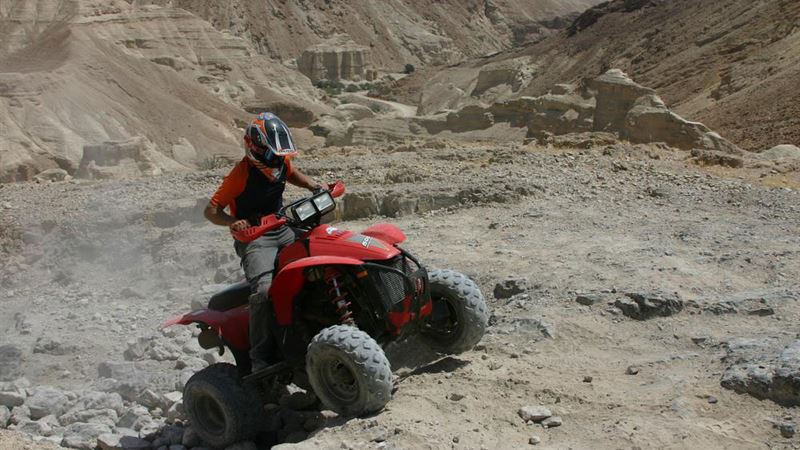
On the other hand, ATVs, also known as quad bikes, are lightweight, agile, and typically designed for individual operators. They are characterized by their four-wheel setup, which provides excellent maneuverability and stability in rugged environments. ATVs are popular among outdoor enthusiasts, hunters, and adventurers who need a flexible vehicle capable of navigating mud, sand, snow, and uneven trails with ease. Their smaller size makes parking and transportation simpler, and the lower cost makes them more accessible for casual users.
ATVs are primarily used for recreational riding, trail exploration, and light work tasks. They often come with a range of accessories, including winches, racks, and storage compartments, allowing users to customize the vehicle for specific activities. The compact size and ability to go where larger vehicles cannot pave the way for versatile applications—be it exploring off-road terrain, hunting expeditions, or quick utility jobs.
Environmental conditions greatly influence the choice between an ATV and a UTV. During winter, especially in regions prone to heavy snowfall, both vehicles prove invaluable. UTVs, with their sturdy build and towing capacity, are excellent for snow removal tasks or transporting goods across snow-covered roads. ATVs, with their nimbleness, can easily maneuver tight snow trails and unplowed areas, making them indispensable for winter recreation and chores. Their adaptability makes them equally useful in summer and other seasons for various outdoor activities and work-related purposes.
It is important to recognize that the decision between an ATV and a UTV hinges on your specific needs, budget, and usage scenarios. For heavy-duty tasks requiring substantial load capacity, towing, and comfort, UTVs are the superior choice. Conversely, for agility, ease of transportation, and recreational use, ATVs offer excellent flexibility. Both vehicles continue to evolve, with manufacturers releasing models equipped with advanced features such as GPS systems, electronic fuel injection, upgraded suspension, and enhanced safety options.
In conclusion, whether you choose an ATV or a UTV, understanding their key differences and applications is crucial to making an informed purchase. Both vehicles excel in off-road environments but serve distinct purposes based on user requirements. Investing in the right vehicle can significantly boost productivity for work-related tasks or enhance outdoor recreational experiences, especially in demanding terrains and seasonal conditions. As off-road activities grow in popularity, so does the need for reliable, designed-for-purpose vehicles like ATVs and UTVs, each offering unique benefits tailored to diverse needs.