
Understanding the Key Differences Between Headaches and Migraines
Explore the critical differences between headaches and migraines, including symptoms, causes, and treatment options. This detailed guide helps sufferers understand their condition and seek effective medical care to improve their quality of life.
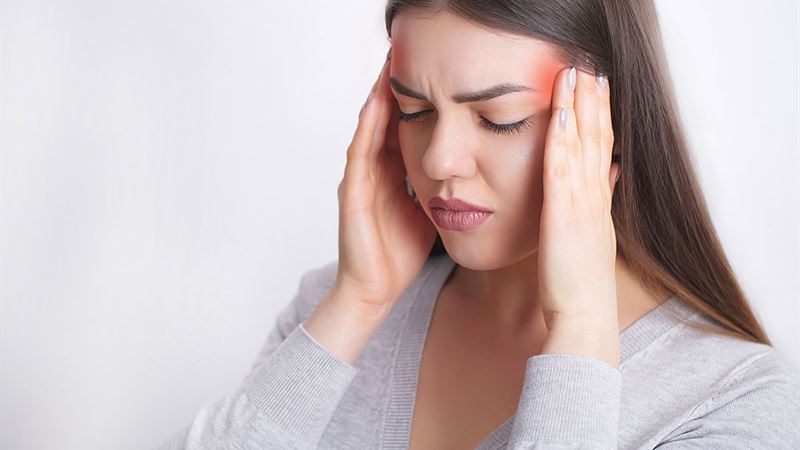
Headaches are a common health concern that can vary significantly in duration and severity, ranging from brief twinges lasting just half an hour to persistent discomfort that can persist for several days. They come in various forms, broadly classified into two main categories—primary and secondary headaches. Primary headaches occur independently, without being caused by other medical conditions, including tension-type headaches, cluster headaches, and hemicrania. Secondary headaches, on the other hand, are symptoms caused by underlying issues such as infections, injuries, tumors, or other illnesses. Recognizing the distinctions between these types is vital for proper treatment and management.
So, what exactly is a migraine? Unlike typical headaches, migraines are neurological events characterized by a broader range of symptoms and longer durations. They usually last between four hours and several days, involving a complex progression through different stages. During their active phase, migraines can be accompanied by symptoms such as severe throbbing pain, vomiting, visual disturbances, nausea, and heightened sensitivity to light, sound, and certain odors. The precise causes of migraines are still under investigation, but they are widely believed to involve genetic, environmental, and neurological factors.
There are two major types of migraines: migraine with aura and migraine without aura. An aura is a set of sensory disturbances that often occurs before the onset of a migraine, serving as a warning sign. People experiencing an aura may notice visual phenomena like flashing lights or zigzag patterns, or they might experience tingling sensations, numbness, difficulty speaking, or altered perceptions of taste, smell, or touch. Understanding these symptoms can help in distinguishing migraines from other types of headaches.
How do migraines differ from typical headaches? The severity of pain associated with migraines is often more intense, sometimes requiring urgent medical attention. The pain is frequently localized to one side of the head but can sometimes affect both sides. The pain quality is often described as pounding, throbbing, or pulsating, which can significantly impair daily activities. Unlike simple headaches, migraines often come with a constellation of associated symptoms that make them more debilitating. Currently, there are no definitive laboratory tests to diagnose migraines, which makes clinical evaluation and patient history crucial in diagnosis. Physicians, especially neurologists, usually assess the duration, intensity, and pattern of symptoms to arrive at an accurate diagnosis and to recommend appropriate treatment options.
- Understanding Headaches and Migraines: Symptoms, Causes, and Treatment
Headaches are among the most prevalent neurological disorders, affecting millions worldwide. While often dismissed as minor inconveniences, they can have significant impacts on quality of life. Migraines, a more severe form of headache, require a different approach to treatment. Proper recognition of symptoms, understanding of potential triggers, and timely medical intervention are essential for managing these conditions effectively. Advances in neurology and pain management have led to better treatment plans that can reduce the frequency and intensity of attacks, improving sufferers' daily lives.
- Key Factors Contributing to Migraines
Genetics play a substantial role in determining susceptibility to migraines; many sufferers report family histories of similar problems. Environmental factors such as stress, hormonal changes, certain foods and beverages, sleep disturbances, and sensory stimuli like bright lights or loud noises can also trigger attacks. Lifestyle modifications, including stress management techniques, dietary adjustments, and regular sleep routines, can be instrumental in reducing occurrences.
- Recognizing Symptoms and When to Seek Medical Help
Early identification of migraine symptoms can prevent severe episodes and reduce the risk of complications. Warning signs include visual disturbances, tingling sensations, or unusual sensory perceptions followed by intense headache pain. In cases where headache pain is sudden, severe, or associated with neurological symptoms such as weakness, confusion, or difficulty speaking, immediate medical attention is essential. Accurate diagnosis often involves a thorough patient history, physical examination, and sometimes imaging studies to rule out other serious conditions.
- Effective Management and Treatment Strategies
Managing migraines involves a combination of lifestyle modifications, medication, and sometimes alternative therapies. Preventive medications may be prescribed to reduce the frequency and severity of attacks. Acute treatments focus on alleviating symptoms during an episode, often including pain relievers, anti-nausea agents, and triptans. Non-pharmacological approaches such as acupuncture, biofeedback, and relaxation techniques can also be beneficial. Collaborating with healthcare professionals for personalized treatment plans can lead to better outcomes.
This comprehensive guide offers insights into the distinctions between headaches and migraines, emphasizing diagnosis, triggers, and management strategies. With a better understanding, sufferers can seek appropriate care and adopt lifestyle changes to improve their quality of life.