
Understanding the Differences Between Hard and Soft Credit Checks
Gain a comprehensive understanding of the differences between hard and soft credit checks. Learn how each affects your credit score, when they are typically performed, and how to manage your credit profile responsibly. This guide provides valuable insights for consumers planning to apply for loans, credit cards, or employment background checks, emphasizing the importance of credit awareness and good financial habits.
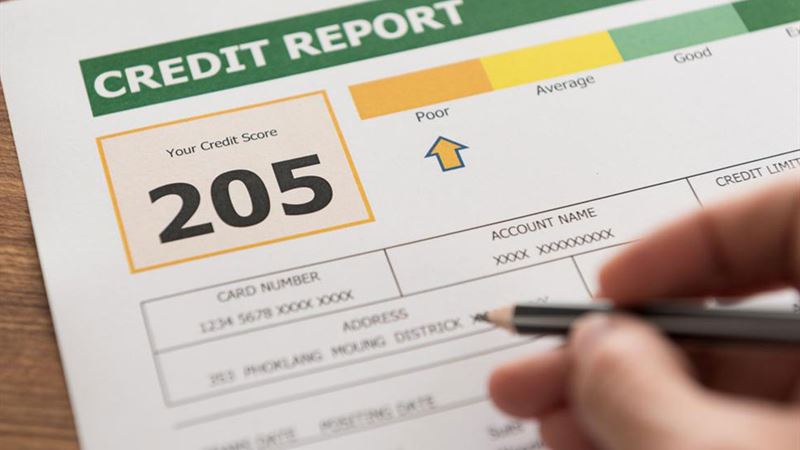
When individuals seek financial assistance from banks or lending institutions, the initial step often involves a credit assessment through credit checks. These evaluations help lenders determine the borrower’s creditworthiness before approving loans or credit products. The two primary types of credit checks are hard inquiries and soft inquiries, each serving different purposes and having varying implications on your credit profile. Understanding these differences is crucial for maintaining a healthy credit score and ensuring responsible borrowing.
Hard credit checks, also known as hard inquiries, are typically initiated when you formally apply for a financial product such as a personal loan, auto loan, mortgage, or credit card. These checks are performed with your explicit consent, usually when you submit a loan application. Financial institutions carry out hard inquiries to assess your ability to repay the loan based on your credit history. Since these checks scrutinize your credit report in detail, they can lead to a temporary dip in your credit score. Repeated hard inquiries within a short period can compound this negative effect, potentially impacting your ability to secure favorable loan terms in the future.
On the other hand, soft credit checks, or soft inquiries, are less invasive and do not require your explicit permission. They are often used by prospective employers during background checks, companies conducting pre-approval offers, or by individuals checking their own credit reports. For instance, when you apply for a new job, an employer may perform a soft inquiry to assess your financial stability as part of the background screening process. Similarly, when you open a bank account or rent an apartment, the landlord or bank might perform a soft check. Importantly, soft inquiries do not impact your credit score directly, making them a valuable tool for background assessments without any negative consequences.
While hard inquiries can stay visible on your credit report for up to two years, their impact on your credit score diminishes over time as your payment history improves. Consistent on-time payments, liberal credit management, and responsible borrowing can offset earlier negative marks and enhance your overall credit standing. Meanwhile, soft inquiries generally do not affect your credit score and are solely used for informational purposes by lenders or employers.
Understanding the distinction between these two types of credit checks can help you manage your financial profile more effectively. For those planning major financial moves like purchasing a home or a vehicle, being aware of how credit inquiries impact your score can be invaluable. It’s always advisable to limit unnecessary hard inquiries and regularly monitor your credit reports to ensure accuracy and identify any fraudulent activity that may impact your financial health. By maintaining a balanced approach to credit management, you can secure better borrowing opportunities while safeguarding your credit reputation.