
Healthy Snack Ideas and Guidelines for Children
Learn how to incorporate nutritious snacks into your child's diet with expert tips on timing, portion control, and healthy food choices. Discover the importance of healthy snacking in promoting growth, regulating appetite, and preventing obesity. This comprehensive guide emphasizes the significance of strategic snack planning for children’s overall health and development, offering practical suggestions for parents to foster better eating habits and provide delicious, nutrient-dense snack options suitable for kids of all ages.
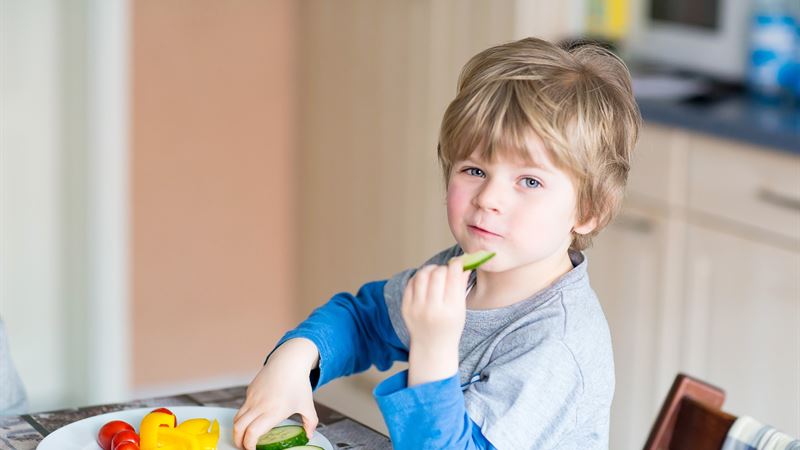
Recent studies have shown that children's daily snacking habits have increased significantly, with an average of 168 additional calories consumed through snacks each day. Interestingly, despite this increase, overall daily calorie intake only rose by approximately 113 calories, indicating that children are possibly replacing traditional main meals like breakfast, lunch, and dinner with snacks. This shift in eating patterns suggests that children are spending less time eating substantial meals, which are typically rich in essential nutrients. Currently, snacks make up about 27% of a child's total daily caloric intake. Due to this trend, it is crucial for parents and caregivers to encourage the inclusion of nutritious snacks in children's diets to support healthy growth and development.
Are snacks necessary for children’s nutrition?
- Children require a well-rounded intake of nutrients such as proteins, carbohydrates, vitamins, minerals, calcium, and iron to support proper growth and cognitive development.
- Snacks serve as vital supplementary sources of these nutrients, especially in between main meals, ensuring children meet their daily nutritional needs.
- Including healthy snacks helps regulate children’s appetite, preventing overconsumption during mealtime or overeating as a response to hunger.
- The effectiveness of snacks depends heavily on their quality and the timing of consumption, making strategic planning essential for optimal benefits.
When is the best time for children to enjoy snacks?
- As children transition into toddlerhood, their eating and sleeping routines naturally evolve, necessitating adjustments in their snack schedule.
- If a child is not hungry during mealtime, offering snacks may reduce their desire to eat larger quantities during main meals.
- For children who love milk, it's advisable to serve it after meals, which encourages solid food intake and ensures they receive adequate nutrients from diverse food sources.
Tips to manage and improve children’s eating habits
- Establish a designated "eating zone" in the home, such as the dining table or kitchen counter, where snacks and meals are consumed exclusively.
- This helps monitor food intake and prevents constant snacking throughout the house, which can lead to overconsumption.
- Avoid giving snacks while children watch television or play, as this often results in mindless munching and higher calorie intake, contributing to unhealthy weight gain.
Tips for smart snacking
- Understand that younger children may need smaller portions and more frequent snacks compared to older kids.
- Maintain regular snack and meal times to create a predictable routine that supports healthy eating habits.
- Ensure snacks are offered at least an hour before main meals to promote proper appetite during core mealtime.
- Incorporate cost-effective frozen foods that retain their nutritional value and are often cheaper than fresh options.
- Place a bowl of fresh, ripe fruit in accessible areas to encourage healthy choices.
- Offer a variety of nutritious foods early in life to help children develop diverse taste preferences.
- Avoid using food as a reward or comfort; instead, promote emotional bonding through praise, hugs, and attention to foster healthy relationships with food.
What are the ideal snacks for kids?
- Snacks that combine protein with fiber are excellent choices as they are filling and contribute significantly to a balanced diet.
Recommended snack options for children
- Unsweetened mixed nuts and dried fruits, whole-grain pretzels, and low-sugar dried cereals
- Baked tortilla chips paired with fresh salsa
- Roasted chickpeas seasoned lightly
- Low-fat yogurt accompanied by fresh fruits and nuts
- Celery sticks filled with almond butter, topped with chopped pistachios and dried cranberries
- Sliced apple wrapped in turkey breast
- Nuts combined with dried raisins or cranberries
Although snacks are essential for providing nutrients, it’s vital that parents supervise and regulate snack intake to prevent overeating and ensure healthy habits are cultivated early on. Responsible snacking promotes overall well-being and balanced growth in children, making it an integral part of a holistic approach to healthy living.