
Comprehensive Guide to Sinus Headaches: Symptoms, Causes, and Effective Treatment Strategies
Explore an in-depth overview of sinus headaches, including their symptoms, causes, diagnostic methods, and effective treatment options. Gain insights into managing this discomfort through both medical interventions and natural remedies to improve your quality of life and prevent future episodes.
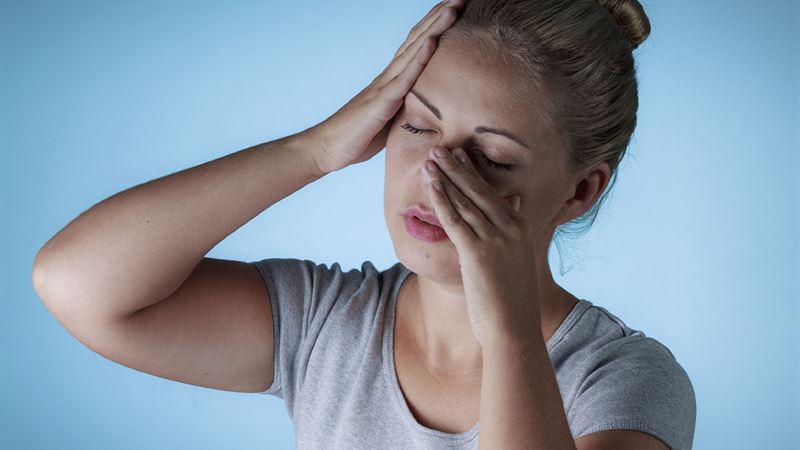
Sinus headaches are a common discomfort that many individuals experience at some point in their lives. These headaches are often mistaken for migraines, but understanding their unique symptoms, underlying causes, and available treatment options can significantly improve quality of life. The proximity of the maxillary sinus cavities to other facial structures means that sinus-related pain can radiate to the forehead, cheeks, and even behind the ears, often leading to misdiagnosis or delayed treatment.
In this extensive guide, we delve deep into the symptoms that characterize sinus headaches, explore their various causes, and provide comprehensive information about diagnostic processes and modern treatment options. Additionally, we offer practical remedies that can help alleviate symptoms and prevent future episodes, ensuring readers are well-informed about managing this uncomfortable condition effectively.
In this extensive guide, we delve deep into the symptoms that characterize sinus headaches, explore their various causes, and provide comprehensive information about diagnostic processes and modern treatment options. Additionally, we offer practical remedies that can help alleviate symptoms and prevent future episodes, ensuring readers are well-informed about managing this uncomfortable condition effectively.
Sinus headaches often present with a range of symptoms that can sometimes mimic other types of head pain, such as migraines or tension headaches. Recognizing these symptoms is crucial in differentiating sinus-related pain from other causes and seeking appropriate treatment promptly.
**Key Symptoms of Sinus Headaches**
< ul >Pain and Pressure: The hallmark symptom of sinus headaches is persistent pressure or throbbing pain located around the sinus areas—typically the forehead, cheeks, bridge of the nose, and behind the eyes. The pain may intensify when bending forward, lowering the head, or lying down, as this increases sinus pressure. It often feels like a deep, dull ache that worsens over time. Nasal Congestion: Sinus headaches commonly coincide with nasal congestion, feeling as if the nose is blocked or stuffed. This congestion may be accompanied by a sensation of pressure in the face and difficulty breathing through the nose. Discolored Nasal Discharge: Mucus that is clear, yellow, or green may be expelled from the nostrils, indicating an underlying infection or inflammation within the sinus cavities. Reduced or Loss of Smell: Decreased olfactory function is common during sinus infections or inflammations, making it difficult to perceive odors normally. Fever: Mild fever may occur if the sinusitis is caused by bacterial infection, often accompanied by general malaise. Nausea and Vomiting: Some individuals experience nausea, and vomiting can occur, especially if the pain becomes severe or is associated with migraines. Dizziness and Light Sensitivity: Patients might feel disoriented, dizzy, or experience sensitivity to light and sound, which can exacerbate discomfort. Other Sensory Sensitivities: Bright lights and loud noises can trigger or intensify symptoms, prompting patients to seek quiet, dark environments during flare-ups.
**Understanding the Causes of Sinus Headaches**
The root causes of sinus headaches range from infections to structural abnormalities and allergic reactions.
**Key Symptoms of Sinus Headaches**
< ul >
**Understanding the Causes of Sinus Headaches**
The root causes of sinus headaches range from infections to structural abnormalities and allergic reactions.
**Primary Causes of Sinus Headaches**
**Diagnosis: How Do Doctors Identify Sinus Headaches?**
Accurate diagnosis is vital for effective treatment. Physicians typically start by reviewing symptoms and medical history, followed by diagnostic imaging tests. X-rays can reveal structural abnormalities and the presence of fluid in the sinus cavities. A CT scan provides a detailed view of soft tissues, sinus blockages, and extent of inflammation. In some cases, nasal endoscopy—using a thin tube with a camera—allows direct visualization of the sinus passages and helps identify the source of infection or blockage. Blood tests may be employed to detect underlying allergies or infections.
- Allergic Reactions: Allergies to pollen, dust, mold, or other environmental allergens can cause inflammation of the sinus linings, resulting in blockage and pain. Allergic rhinitis often precedes sinus infections, creating a cycle of ongoing discomfort.
- Infections: Bacterial, viral, or fungal infections can invade the sinus cavities, leading to sinusitis. Common viruses include those responsible for the common cold, which can cause swelling and obstruction of sinus openings. Bacterial infections, especially with Streptococcus pneumoniae or staphylococci, tend to cause more severe and persistent symptoms.
- Structural Abnormalities: Conditions like a deviated nasal septum, nasal polyps, or other structural deformities can obstruct normal sinus drainage pathways, facilitating fluid buildup and infection.
- Environmental Factors: Exposure to pollutants, smoke, or other irritants in the air can inflame the sinus linings, creating conducive conditions for infection and pressure buildup.
- Viral and Fungal Infections: Aside from viruses causing colds, certain fungal infections can also lead to sinusitis, especially in immunocompromised individuals.
**Diagnosis: How Do Doctors Identify Sinus Headaches?**
Accurate diagnosis is vital for effective treatment. Physicians typically start by reviewing symptoms and medical history, followed by diagnostic imaging tests. X-rays can reveal structural abnormalities and the presence of fluid in the sinus cavities. A CT scan provides a detailed view of soft tissues, sinus blockages, and extent of inflammation. In some cases, nasal endoscopy—using a thin tube with a camera—allows direct visualization of the sinus passages and helps identify the source of infection or blockage. Blood tests may be employed to detect underlying allergies or infections.
**Treatment Strategies for Sinus Headaches**
Managing sinus headaches involves addressing the underlying cause, whether it is infection, allergy, or structural defect. Treatment options vary depending on severity and root cause, with medications, lifestyle changes, and sometimes surgical interventions.
Managing sinus headaches involves addressing the underlying cause, whether it is infection, allergy, or structural defect. Treatment options vary depending on severity and root cause, with medications, lifestyle changes, and sometimes surgical interventions.
**Medical Treatments**
**Home and Natural Remedies**
While medications are often necessary, a range of home remedies can provide symptomatic relief and help prevent future sinus problems.
- Decongestants: These medications help shrink swollen blood vessels in the nasal passages, facilitating drainage and reducing pressure. Available both over-the-counter and prescription, decongestants can quickly alleviate congestion and pain.
- Antihistamines: For allergy-related sinus issues, antihistamines reduce allergic reactions, decreasing inflammation and blockage.
- Analgesics: Over-the-counter pain relievers such as ibuprofen or acetaminophen help decrease pain and inflammation associated with sinus headaches.
- Steroid Nasal Sprays: These reduce inflammation directly within the sinus linings and are especially effective in chronic sinusitis or allergic rhinitis cases.
- Antibiotics: If a bacterial infection is confirmed, a course of antibiotics may be prescribed to eliminate infection and prevent further complications.
- Surgical Options: For structural abnormalities or persisting sinus issues unresponsive to medication, procedures like septoplasty or functional endoscopic sinus surgery (FESS) can restore normal drainage pathways and reduce recurrent infections.
**Home and Natural Remedies**
While medications are often necessary, a range of home remedies can provide symptomatic relief and help prevent future sinus problems.
**Effective Home Remedies and Lifestyle Changes**
- Applying Cold Packs: Cold compresses help reduce swelling and alleviate pressure by numbing the area deeply affected by sinus inflammation. Applying these to the cheeks, forehead, and back of the head can bring relief during flare-ups.
- Using Hot Packs: Hot compresses can relax tense muscles and promote sinus drainage. They are especially useful in cases of prolonged congestion or when mucous thickening occurs.
- Steaming: Inhaling steam at least three times daily can loosen mucus and soothe inflamed sinus linings. Enhancing the steam with essential oils like eucalyptus or peppermint can boost effectiveness.
- Nasal Irrigation: Devices like Neti pots or saline spray bottles help flush out thick mucus, allergens, and irritants from nasal passages. Proper technique is essential to avoid introducing infection.
- Minimize Bright Light Exposure: During acute episodes, resting in a dim, quiet room minimizes sensory overload and can reduce headache severity.
- Avoid Irritants: Reducing exposure to cigarette smoke, air pollution, and strong chemicals helps prevent sinus inflammation and exacerbations.
- Stay Hydrated: Drinking plenty of water thins mucus and promotes drainage, reducing pressure and discomfort.
- Maintain Good Hygiene: Regular handwashing and avoiding known allergens can prevent recurrent infections and allergic reactions that trigger sinus headaches.
In conclusion, understanding sinus headaches—what causes them, how to recognize their symptoms, and the available treatment options—is key to effective relief. Whether through medication, home remedies, or surgical intervention, addressing the root cause of sinus congestion and inflammation can help reduce pain, improve breathing, and enhance overall well-being. Remember that persistent or severe symptoms warrant consulting a healthcare professional for tailored diagnosis and treatment plans.