
Essential Strategies for Captivating Food Photography
Discover comprehensive tips for creating stunning food photographs that captivate viewers. Learn about the importance of natural lighting, effective use of tripods, creative settings, and post-processing techniques. This guide provides practical advice for food enthusiasts and professional photographers aiming to elevate their culinary images. Enhance your skills with expert insights and become proficient in capturing irresistible food visuals that stand out on social media and in publications.
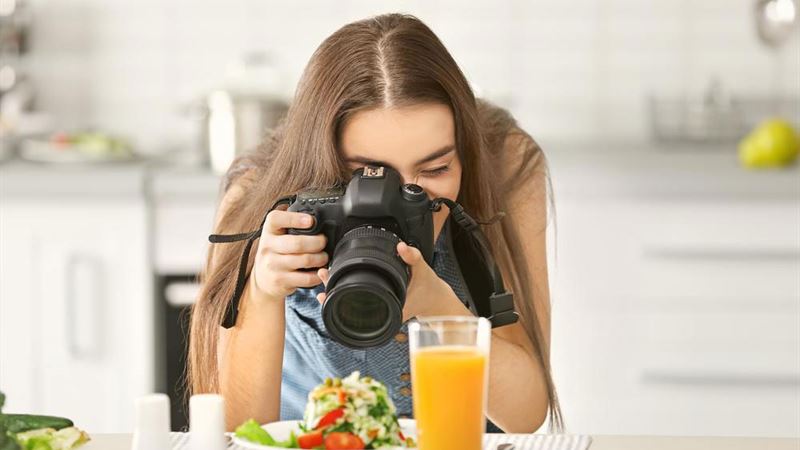
Creating stunning food images involves more than just pointing your camera at a plate; it requires thoughtful planning and execution. Whether you aim to spark a craving, tell a story, or capture the essence of a dish, understanding the core concepts of food photography is essential. Before snapping that shutter, plan your concept meticulously—decide on the mood, theme, and message you wish to convey. Gather appropriate props and select an ideal setting that complements the dish. Proper lighting is crucial, so always consider natural light as your primary source, and master some foundational techniques to elevate your photos.
Prioritize Natural Light Over Flash
The use of natural light is a fundamental principle in food photography. Many amateurs fall into the trap of relying on camera flash, which often results in harsh lighting and unappealing shadows. To achieve warm, inviting images, turn off your camera’s flash completely. Even smartphones benefit from this practice. Instead, position your setup near a large window or in a well-lit space to harness the soft, diffused light. During daytime, natural sunlight creates vibrant colors and enhances textures without the need for additional lighting. For nighttime shoots, consider the ambient restaurant lighting or use portable lights to maintain that natural feel, avoiding the artificial glare that flash introduces.
The use of natural light is a fundamental principle in food photography. Many amateurs fall into the trap of relying on camera flash, which often results in harsh lighting and unappealing shadows. To achieve warm, inviting images, turn off your camera’s flash completely. Even smartphones benefit from this practice. Instead, position your setup near a large window or in a well-lit space to harness the soft, diffused light. During daytime, natural sunlight creates vibrant colors and enhances textures without the need for additional lighting. For nighttime shoots, consider the ambient restaurant lighting or use portable lights to maintain that natural feel, avoiding the artificial glare that flash introduces.
Leverage Tripods for Sharp, Consistent Shots
Professional food photographers often use tripods to achieve steady, crisp images. Holding a camera by hand can introduce unwanted motion and blur, especially in low-light conditions. A sturdy tripod stabilizes your camera, allowing for longer exposure times without sacrificing clarity. This stability also enables you to experiment with high ISO settings, which is useful when working in dim environments. Additionally, tripods offer the convenience of framing shots accurately and making incremental adjustments without disturbing the composition. For creative compositions—like top-down shots or close-ups—using a tripod facilitates capturing those perfect angles effortlessly.
Professional food photographers often use tripods to achieve steady, crisp images. Holding a camera by hand can introduce unwanted motion and blur, especially in low-light conditions. A sturdy tripod stabilizes your camera, allowing for longer exposure times without sacrificing clarity. This stability also enables you to experiment with high ISO settings, which is useful when working in dim environments. Additionally, tripods offer the convenience of framing shots accurately and making incremental adjustments without disturbing the composition. For creative compositions—like top-down shots or close-ups—using a tripod facilitates capturing those perfect angles effortlessly.
Experiment with Settings and Composition
Breaking away from conventional backgrounds and settings can add significant appeal to your food photos. Explore outdoor locations, rustic settings, or minimalist backdrops that highlight the dish without distraction. Play with depth of field by adjusting aperture settings to create a pleasing background blur that emphasizes the food. Don't hesitate to try different angles—overhead shots, close-ups, or side views—to discover which perspective best showcases the dish’s appeal. Use a combination of props, garnishes, and elements that complement the cuisine to tell a compelling story. Remember, every element in the frame should serve a purpose, enhancing the overall visual narrative.
Breaking away from conventional backgrounds and settings can add significant appeal to your food photos. Explore outdoor locations, rustic settings, or minimalist backdrops that highlight the dish without distraction. Play with depth of field by adjusting aperture settings to create a pleasing background blur that emphasizes the food. Don't hesitate to try different angles—overhead shots, close-ups, or side views—to discover which perspective best showcases the dish’s appeal. Use a combination of props, garnishes, and elements that complement the cuisine to tell a compelling story. Remember, every element in the frame should serve a purpose, enhancing the overall visual narrative.
Enhance Your Photos with Post-Processing
Post-editing is an integral part of modern food photography. After capturing your images, use software like Adobe Lightroom or Photoshop to adjust brightness, contrast, saturation, and sharpness. Subtle enhancements can make colors pop and textures more appealing. Be cautious not to over-edit; aim for natural-looking results that accurately represent the dish. Fine-tuning white balance ensures colors appear true to life, while slight cropping can improve composition. With practice, post-processing becomes a vital tool to elevate your images from good to extraordinary, ensuring they stand out in a crowded online landscape.
Post-editing is an integral part of modern food photography. After capturing your images, use software like Adobe Lightroom or Photoshop to adjust brightness, contrast, saturation, and sharpness. Subtle enhancements can make colors pop and textures more appealing. Be cautious not to over-edit; aim for natural-looking results that accurately represent the dish. Fine-tuning white balance ensures colors appear true to life, while slight cropping can improve composition. With practice, post-processing becomes a vital tool to elevate your images from good to extraordinary, ensuring they stand out in a crowded online landscape.
Final Tips for Exceptional Food Photography
Invest in good quality gear—such as a macro lens for close-ups or a wide-angle lens for spacious compositions. Clean your camera lens regularly to prevent smudges and dust spots. Keep your workspace tidy; cluttered backgrounds distract viewers from the main subject. Study food photography by analyzing works from professionals and magazines to understand lighting, styling, and angles. Practice consistently, experiment boldly, and most importantly, have fun capturing the beauty of food. With time, dedication, and a keen eye, you will develop a distinctive style that captures the delectable allure of every dish.
Invest in good quality gear—such as a macro lens for close-ups or a wide-angle lens for spacious compositions. Clean your camera lens regularly to prevent smudges and dust spots. Keep your workspace tidy; cluttered backgrounds distract viewers from the main subject. Study food photography by analyzing works from professionals and magazines to understand lighting, styling, and angles. Practice consistently, experiment boldly, and most importantly, have fun capturing the beauty of food. With time, dedication, and a keen eye, you will develop a distinctive style that captures the delectable allure of every dish.