
Comprehensive Guide to Maintaining and Preserving Your Dinnerware Collections
Discover expert tips on how to maintain and preserve your dinnerware sets effectively. From handling hot dishes to cleaning and stain removal, learn how to protect your porcelain, china, plastic, and antique pieces to ensure they last for years. Proper care not only extends the lifespan of your dinnerware but also keeps it looking attractive and safe for everyday use. This guide offers practical advice suitable for all types of dinnerware, helping you enjoy your tableware for a lifetime with minimal damage and maximum elegance.
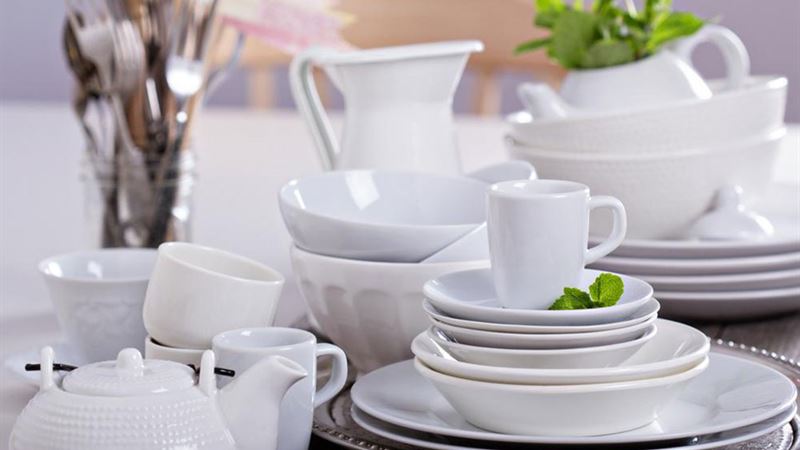
Proper care and maintenance of your dinnerware set are essential to prolong its lifespan, keep it looking pristine, and ensure safety during use. From understanding the right handling techniques to cleaning methods suitable for different materials, this comprehensive guide covers all aspects of dinnerware preservation. Whether you own delicate porcelain, durable plastic, or antique china, following these tips will help you maintain the beauty and integrity of your dinnerware for years to come.
Handling hot food and temperature changes gracefully is the first step in preventing damage. Serving extremely hot dishes onto your dinnerware can cause thermal shocks that might crack or deform the items. It’s advisable to gradually warm your dishes and avoid sudden temperature fluctuations. For reheating, steer clear of porcelain in your microwave unless it’s specifically labeled microwave-safe, as even though porcelain is designed to withstand heat, rapid heating can lead to cracks or warping. Preventing such damage is crucial in maintaining the longevity of your dinnerware collection. Proper storage and careful handling ensure your tableware remains in top condition for many years.
Washing and Cleaning Techniques
Today, many dinnerware products are dishwasher safe, making cleaning up more convenient. However, certain items—such as those with metal accents, handcrafted, or antique designs—are best washed by hand to prevent fading or damage. Use gentle detergents and lukewarm water for these delicate pieces, and avoid abrasive scrubbers that could scratch the surface. When cleaning ceramic or glassware, soaking dried food residues in a solution of warm water and mild dish soap for around thirty minutes can significantly ease the cleaning process. This approach saves time and effort while protecting your dinnerware from scratches and chips.
Removing Stains Effectively
Stains from tea, coffee, or other beverages can be stubborn but are removable with simple household solutions. For cups with persistent stains, fill them with a mixture of water and two tablespoons of chlorine bleach and soak for a few minutes. After soaking, rinse thoroughly with clean water to eliminate any residual bleach and restore their original appearance. For metal cutlery with black marks or tarnish, use a high-quality, non-abrasive metal cleaner. Never use harsh abrasives or scoring powders, as they can scratch or damage delicate surfaces, reducing the lifespan of your utensils.
Caring for Plastic Dinnerware
Plastic dinnerware, especially melamine sets, are recognized for their durability but require specific care procedures. Avoid microwaving plastic items, as they tend to absorb heat and can crack or develop blisters. To clean plastic dinnerware, you can either place them in the dishwasher or wash by hand using a mild, branded cleaner. Steer clear of abrasive cleaning powders that could cause surface scratches, diminishing their appearance over time. Regular cleaning with a gentle, non-abrasive cleaner will maintain the smooth finish and prolong the life of your plastic collection.
By following these comprehensive maintenance tips, you can preserve the beauty and functionality of your dinnerware sets for many years. Proper handling, regular cleaning, and gentle stain removal are key components in ensuring your tableware remains in excellent condition. Whether your collection comprises fragile porcelain, sturdy melamine, or delicate antique china, adopting good care practices will save you money and preserve your cherished items for generations to come. Remember, investing a little extra time in care can significantly extend the life and appearance of your dinnerware, making every meal moment special and safe.