
Comprehensive Guide to Common Skin Rashes: Types, Causes, and Treatments
This extensive guide provides insights into various common skin rashes, including contact dermatitis, rosacea, and scabies. It covers their causes, symptoms, diagnosis, and treatment options, helping readers recognize signs early and seek appropriate medical care. Proper understanding and management can prevent complications and promote healthier skin across all age groups.
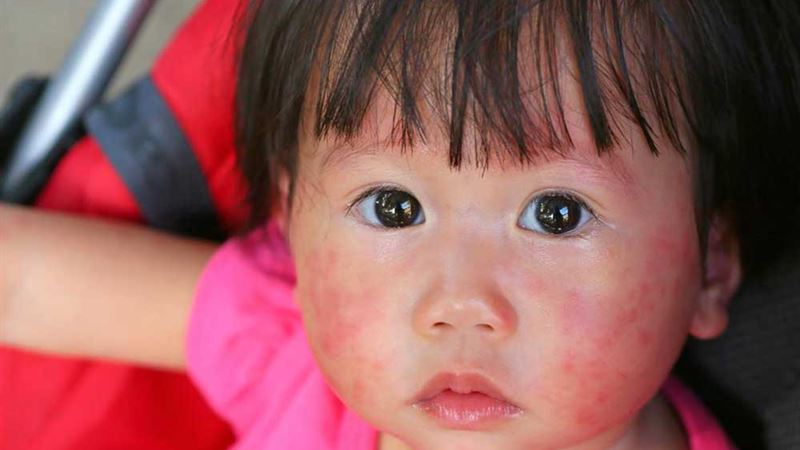
Understanding Skin Rashes
Skin rashes are inflamed or irritated skin patches that can appear as redness, swelling, bumps, blisters, or crusted areas. They often cause discomfort or itchiness and can result from numerous factors, including allergic reactions, infections, environmental exposures, or autoimmune disorders. The complexity of rashes requires careful observation and sometimes medical diagnosis to determine their origin.
Types of Common Skin Rashes
Contact Dermatitis
Contact dermatitis is among the most prevalent skin conditions characterized by dry, scaly, and inflamed skin. It occurs when the skin reacts adversely to触contact with specific substances. There are two primary forms: allergenic contact dermatitis and irritant contact dermatitis. The allergic type develops when the skin encounters allergens, leading to an immune response, while the irritant type results from exposure to harsh chemicals or physical agents that damage the skin barrier.
In cases of allergic contact dermatitis, affected skin may develop redness, swelling, blisters, and intense itching. For example, exposure to nickel in jewelry, certain cosmetics, or latex gloves often triggers such reactions. Conversely, irritant dermatitis produces dry, non-itchy rashes that can develop into crusted or ulcerated lesions if exposure persists. Common irritants include chemicals such as bleach, detergents, battery acid, and industrial cleaning agents.
Rosacea
Rosacea is a chronic inflammatory skin condition predominantly affecting the face. It is estimated to impact around 16 million Americans annually, and it often presents as persistent redness, visible blood vessels, and sometimes bumps that resemble acne. Rosacea typically appears on the cheeks, nose, forehead, and chin. Its symptoms tend to cycle through flare-ups and periods of remission, making management challenging.
The exact cause of rosacea remains a mystery, but several triggers are known to exacerbate symptoms. These include exposure to spicy food, alcohol consumption, hot beverages, extreme weather, stress, and certain skincare products. Additionally, underlying factors such as the presence of Helicobacter pylori bacteria in the stomach and genetic predisposition may contribute to its development.
Scabies
Scabies is a highly contagious skin infestation caused by the mite Sarcoptes scabiei. It spreads through direct skin-to-skin contact with an infected person, making it particularly common in crowded or communal living environments. The mites burrow into the upper layers of the skin, laying eggs and causing intense itching that worsens at night.
Early symptoms include small, red bumps, crusted patches, and burrow tracks often found between fingers, on the wrists, elbows, armpits, and even on the buttocks. In infants and young children, scabies can appear on the face and scalp. If left untreated, the infestation can persist for months, and secondary bacterial infections can occur due to scratching.
Causes and Risk Factors
Contact Dermatitis Causes
Allergic contact dermatitis arises from immune hypersensitivity reactions following contact with allergens like nickel in jewelry, certain dyes, cosmetics, or latex. Irritant contact dermatitis results from direct chemical damage caused by exposure to strong acids, alkalis, solvents, or industrial chemicals. Individuals working in manufacturing, cleaning, or healthcare are more susceptible due to frequent exposure.
Rosacea Triggers
The precise trigger for rosacea is unknown, but multiple factors can worsen the condition. These include environmental factors like extreme heat or cold, sunlight exposure, and wind. Lifestyle habits such as alcohol consumption, spicy foods, hot drinks, and stress are common triggers. Additionally, certain medications, skin care products with irritating ingredients, and hormonal changes can influence the severity of rosacea.
Scabies Transmission and Risk
Scabies transmits through prolonged skin contact with an infected individual. It is not spread through casual contact or contaminated objects, but close living circumstances significantly increase risk. Factors such as crowded housing, poor hygiene, and compromised immune systems heighten susceptibility. Household members and close contacts often develop symptoms within a few weeks of exposure.
Symptoms and Diagnosis
Recognizing the symptoms of skin rashes is essential for prompt treatment. While each type varies, common signs include redness, swelling, itching, blistering, crusting, or raised bumps. In rosacea, persistent facial redness and visible blood vessels are typical. Scabies causes intense itching, especially at night, and characteristic burrow tracks. A dermatologist can diagnose rashes through physical examination, patient history, and sometimes laboratory tests like skin scrapings or biopsies.
Effective Treatments and Home Remedies
Managing Contact Dermatitis
Treatment involves avoiding known irritants and allergens. Applying soothing over-the-counter creams such as hydrocortisone can reduce inflammation. Moisturizers help repair the skin barrier. In severe cases, topical or oral corticosteroids and antihistamines are prescribed to manage symptoms.
Addressing Rosacea
Rosacea management includes lifestyle modifications—protecting skin from sun exposure, avoiding triggers like spicy foods and alcohol, and using gentle skin care products. Prescription medications such as topical metronidazole, azelaic acid, or oral antibiotics can reduce redness and bumps. Laser therapy may be employed for visible blood vessels.
Treating Scabies
Crucial for scabies eradication is the application of prescribed topical scabicides like permethrin cream or oral medications in severe cases. All clothes, bedding, and towels should be washed thoroughly to prevent re-infestation. It is important for household members and close contacts to be treated simultaneously, even if asymptomatic.
When to Seek Medical Attention
If you notice any of the aforementioned symptoms, especially persistent redness, itching, blisters, or crusted skin patches, consult a dermatologist promptly. Proper diagnosis ensures appropriate treatment, prevents secondary infections, and helps avoid complications.
Preventive Measures
- Maintain good personal hygiene
- Avoid contact with individuals known to have contagious skin infections
- Use protective clothing and gloves when handling irritants or chemicals
- Identify and avoid personal triggers such as spicy foods or extreme weather
- Keep skin moisturized and use gentle skincare products
Understanding the diverse nature of skin rashes and their causes empowers individuals to take proactive steps in prevention and treatment. Regular consultation with healthcare professionals is key to managing these conditions effectively and maintaining healthy, resilient skin.