
Effective Natural Strategies to Relieve Abdominal Bloating Instantly
Discover effective natural remedies for rapid relief from abdominal bloating. Learn how ingredients like ginger, fennel, lemon, and prune juice can soothe your digestive system. This detailed guide covers causes, symptoms, and tips for managing bloating naturally at home, promoting better digestive health and comfort. Implement these simple techniques to reduce discomfort and improve your quality of life effortlessly and safely.
Before exploring the remedies, it’s vital to recognize what causes bloating. Knowing the root causes helps in better managing the symptoms and preventing recurrence. Some of the primary reasons include:
- Gas accumulation: Often resulting from improper digestion, swallowing air, or consuming certain foods that promote gas formation. Common culprits include carbonated drinks, beans, and high-fiber foods.
- Constipation: Irregular or infrequent bowel movements lead to stool buildup, which causes distension and bloating.
- Gastrointestinal infections: Conditions such as giardiasis, caused by parasites, can lead to inflammation and bloating.
- Stones in kidneys or gallbladder: Calculi composed of calcium, oxalate, or uric acid can cause abdominal swelling and pain.
- Hernia: A weakness in the abdominal wall muscles can allow internal organs or tissues to protrude, resulting in bulging and discomfort.
While minor bloating can often be alleviated with home remedies, persistent or severe symptoms should prompt medical consultation. Signs that require professional evaluation include:
- Severe abdominal pain or tenderness
- Unexplained weight loss
- Blood in stools
- Frequent vomiting
- Fever accompanied by bloating
Thankfully, several natural ingredients found in most households can effectively combat abdominal bloating. Here’s an in-depth look at some of the most popular and proven remedies:
1. Prune Juice
Prune juice is renowned for its natural laxative properties, making it an excellent remedy for relieving constipation-related bloating. Rich in fiber and sorbitol, prunes stimulate bowel movements, easing stool passage. Drinking a glass of pure prune juice can provide quick relief from bloating caused by irregular bowel habits. Its gentle laxative effect not only helps in reducing abdominal distension but also alleviates stomach discomfort and cramping. For optimal results, consume prune juice in moderation, especially if you experience frequent laxative effects, and consult a healthcare professional if symptoms persist.
2. Ginger – The Tummy’s Best Friend
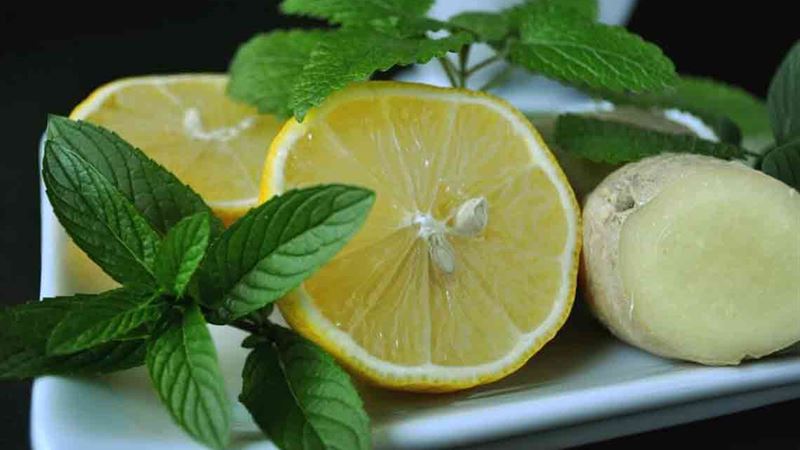
Ginger is celebrated worldwide for its anti-inflammatory and digestive properties. It helps soothe the gastrointestinal tract, reduce gas, and promote better digestion. To leverage ginger’s benefits, slice a fresh piece of ginger root and steep it in boiling water to prepare a warming tea. Adding a squeeze of fresh lemon and a teaspoon of honey enhances the flavor and adds additional health benefits. Drinking this ginger tea before and after meals can minimize bloating and abdominal discomfort. Additionally, ginger capsules are available for those who dislike the strong flavor but want quick relief from gas and indigestion.
3. Warm Lemon Water for Digestive Health
Warm lemon water acts as a natural detoxifier that can alleviate bloating and improve digestion. Lemons contain citric acid, which stimulates the production of gastric juices, aiding in breaking down food and reducing gas formation. Preparing warm lemon water is simple: squeeze fresh lemon juice into a cup of warm water and stir well. Drinking this beverage first thing in the morning promotes hydration, activates digestive enzymes, and helps clear toxins from the system. Regular consumption can help reduce water retention and bloating, making it a simple yet effective home remedy.
4. Fennel Seeds – Nature’s Digestive Aid
Fennel seeds are a traditional remedy for digestive issues, especially bloating and gas. The anethole oil present in fennel seeds relaxes the gastrointestinal muscles and stimulates the secretion of digestive juices, leading to better digestion. Chewing a teaspoon of fennel seeds after meals can help release trapped gas and reduce swelling. Additionally, fennel tea made by steeping crushed fennel seeds in hot water offers a soothing effect on the stomach, easing inflammation and relief from abdominal pain. It’s important to note that pregnant women should avoid fennel, as it may stimulate uterine contractions.
5. Chamomile Tea – Calming and Anti-Inflammatory
Chamomile has been used for centuries to soothe digestive disturbances. Its anti-inflammatory and antispasmodic properties make it particularly effective against bloating caused by gas and indigestion. Preparing chamomile tea by steeping dried flowers in hot water provides a gentle remedy that calms the gastrointestinal muscles, relieves cramps, and promotes overall digestion. Regular intake of chamomile tea can help prevent future episodes of bloating and discomfort. Combining chamomile with other remedies like ginger can enhance its effectiveness, providing a holistic approach to digestive health.
- Eat slowly and chew thoroughly to reduce swallowed air and aid digestion.
- Limit intake of processed foods, artificial sweeteners, and carbonated beverages which can contribute to gas formation.
- Stay hydrated and incorporate fiber-rich foods gradually into your diet to prevent constipation.
- Engage in regular physical activity, such as walking or yoga, to stimulate gastrointestinal motility.
- Avoid lying down immediately after meals; instead, stay upright to facilitate digestion.
If bloating persists beyond a few days, worsens, or is associated with other concerning symptoms such as severe pain, blood in stools, or unexplained weight loss, it is essential to consult a healthcare provider. Persistent bloating can sometimes indicate more serious underlying conditions like inflammatory bowel disease, tumors, or other gastrointestinal disorders that require medical evaluation and appropriate treatment.
Abdominal bloating can be uncomfortable but is often manageable with simple, natural remedies and lifestyle adjustments. Incorporating ingredients like prunes, ginger, lemon, fennel, and chamomile into your daily routine can significantly reduce symptoms. Remember to identify and address the root causes, maintain healthy eating habits, stay hydrated, and exercise regularly for optimal digestive health. In cases of prolonged or severe symptoms, seek professional medical care to ensure proper diagnosis and treatment. Empower yourself with these natural strategies and enjoy a healthier, more comfortable life free from bloating.