
Healthy and Energy-Boosting Meals for a Balanced Diet
Discover effective strategies for preparing low-fat, nutrient-rich meals that boost energy and promote overall health. From choosing healthier cooking methods to planning balanced meals, learn how to maintain a nutritious diet tailored to a busy lifestyle. Find practical tips and delicious recipes to help you stay fit and energized with ease over time, emphasizing sustainability and flavor without compromising health.
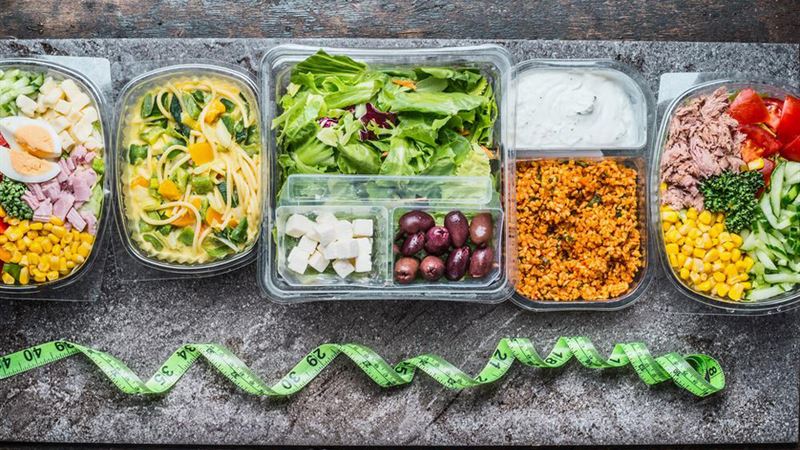
Effective Strategies for Preparing Low-Fat Meals
Incorporate non-stick cookware to minimize the use of fats like butter and oil during cooking. This simple switch significantly reduces overall fat intake. When choosing meats, opt for skinless poultry such as chicken breasts, which contain far less fat compared to meat with skin.
Emphasize cooking techniques like slow roasting, grilling, steaming, and baking, which preserve flavor without adding excess fat. Microwaving is an excellent method for preparing meals quickly and healthily, providing tasty dishes that are free from added fats. Before cooking, always trim visible fat from meats to make the meals leaner.
Vegetables are not only nutritious but can also be prepared in ways that enhance their flavors. Focus on cooking methods like steaming, sautéing in minimal oil, or roasting. Avoid over-dependence on meats; instead, incorporate a variety of plant-based proteins, such as beans, lentils, and whole grains, into your diet for balanced nutrition.
To make meat dishes healthier, consider replacing traditional breading with whole grain breadcrumbs or nutritional yeast. This method reduces breading fats and adds essential nutrients. Additionally, seasoned herbs and spices can enhance flavor without the need for excess fats.
There are numerous other effective ways to cut down on fat content while maintaining rich flavor profiles in your meals.
Designing a Simple, Nutrient-Rich Meal Plan
In our fast-paced modern society, fast foods and processed snacks often dominate our eating habits. However, establishing a consistent and balanced meal plan is key to maintaining good health and fitness. Here is a comprehensive list of low-fat, nutritious foods that should be integrated into your daily diet.
Green leafy vegetables like spinach and lettuce are dietary staples because of their high nutrient density and low calorie content.
Starting your day with a bowl of oatmeal is an excellent choice for breakfast. It provides sustained energy and helps curb appetite throughout the day. Enhance your oatmeal with fresh or frozen fruits such as berries, apples, or bananas to add natural sweetness and vital nutrients. This simple addition can help reduce your caloric intake by approximately 100 calories compared to a typical high-sugar breakfast.
If oatmeal isn’t appealing, opt for non-fat Greek yogurt paired with a variety of fresh fruits for a satisfying, low-fat breakfast option.
An egg white omelet is another versatile and healthy breakfast choice, providing ample protein without excess fat.
Substitute your regular cooking oils with extra virgin olive oil, which contains healthy monounsaturated fats and promotes heart health.
For lunch, consider enjoying a bowl of white bean soup or a hearty vegetable salad loaded with a mix of fruits and vegetables. Salads can include ingredients like cucumbers, tomatoes, carrots, bell peppers, and leafy greens, topped with a light vinaigrette.
If soups aren’t your favorite, a tuna sandwich on whole-grain bread—layered with spinach and other vegetables—serves as a nutritious alternative.
Dinner options include steamed or roasted vegetables such as asparagus, broccoli, and zucchini, flavored with lemon juice or herbs. Incorporate berries as a dessert; they are naturally sweet, rich in antioxidants, and low in calories—perfect for satisfying your sweet tooth without guilt. Avoid high-calorie options like ice creams and sugary desserts.
Adhering to this meal plan and maintaining consistency will lead to remarkable health improvements within a few weeks. Remember, successful weight management and health enhancement depend on your commitment to balanced eating habits over the long term. The key is to stay dedicated, make gradual changes, and enjoy the variety of nutritious foods available to keep your meals exciting and satisfying.