
Comprehensive Guide to Recognizing Heart Attack: Signs and Symptoms You Should Know
Learn to identify the key signs and symptoms of a heart attack, including chest pain, sweating, shortness of breath, palpitations, nausea, lightheadedness, and fatigue. Recognizing these early warning signs can be life-saving, enabling prompt medical response. This comprehensive guide explains each symptom in detail and emphasizes the importance of immediate action to prevent serious complications. Stay informed and protect your heart health by understanding what to look for and how to respond quickly during a cardiac emergency.
Understanding the Signs and Symptoms of a Heart Attack
A heart attack, medically known as myocardial infarction, occurs when blood flow to a part of the heart muscle is blocked, leading to tissue damage. Recognizing the early signs and symptoms of a heart attack is crucial for timely medical intervention, which significantly increases the chances of survival and reduces potential complications.
In this detailed guide, we explore the common and less obvious indicators of a heart attack, helping you identify warning signs promptly. Whether for yourself or loved ones, understanding these symptoms can save lives.
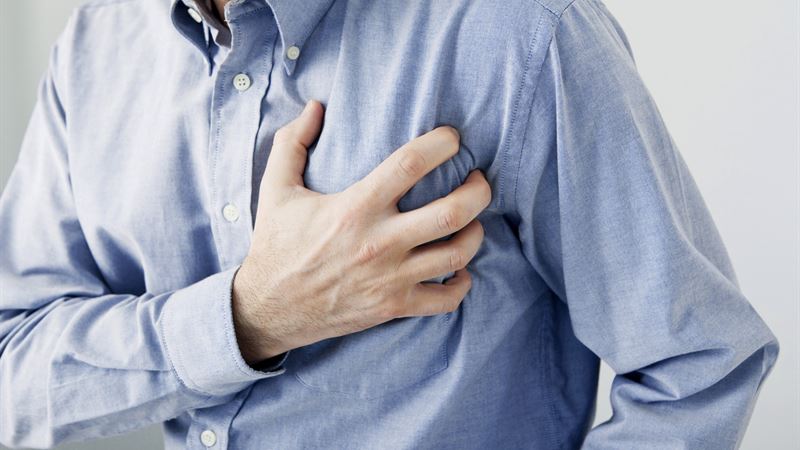 Key Symptoms of Heart Attack
- Persistent Chest Pain: The hallmark symptom of a heart attack is chest discomfort that does not go away with rest. This pain is often described as pressure, squeezing, fullness, or a crushing sensation in the center or left side of the chest. The pain may last for several minutes or come and go intermittently. Sometimes, the pain radiates to other parts of the upper body, including the jaw, neck, back, shoulders, or arms, particularly the left arm.
- Profuse Sweating: Sudden and excessive sweating, often cold and clammy, is a common symptom. This occurs because the nerves involved in heart attack activate the body's stress response, leading to sweating that soaks through clothing. It's crucial to note that sweating during a heart attack can be intense and disproportionate to physical exertion.
- Difficulty Breathing: Shortness of breath or dyspnea often accompanies a heart attack. It may arise suddenly after physical activity or even at rest in more severe cases. This symptom stems from fluid buildup in the lungs or impaired heart function, making it hard to breathe comfortably and often feeling like suffocation.
- Palpitations: Many individuals experience sensations of irregular, rapid, or forceful heartbeats—known as palpitations—during a heart attack. Feeling as if the heart is pounding or racing can be alarming and is a key warning sign.
- Nausea and Indigestion: Some people report a feeling of stomach discomfort, indigestion, or acid reflux preceding a more severe attack. Nausea, burping, or even vomiting can occur, often mistaken for gastrointestinal issues but are important signs of a heart problem.
- Dizziness and Lightheadedness: A sudden sensation of weakness, dizziness, or a feeling that one might faint is common. In some cases, this can lead to temporary loss of consciousness, especially if blood flow to the brain decreases significantly.
- Unusual Fatigue: Feeling excessively tired or exhausted without apparent reason is an early indicator. This fatigue results from the heart's diminished ability to pump blood effectively, depriving the body's tissues of oxygen and nutrients.
Recognizing these symptoms early is vital. If you suspect a heart attack, seek emergency medical attention immediately. Prompt treatment can prevent major damage to the heart muscle and improve survival outcomes.
Prevention strategies, such as maintaining a healthy diet, regular exercise, controlling blood pressure and cholesterol levels, and avoiding smoking, can significantly reduce your risk of experiencing a heart attack. Regular health check-ups are also essential for early detection and management of cardiovascular risk factors.
In summary, knowing the signs and symptoms of a heart attack empowers you to act swiftly. Do not ignore warning signs like persistent chest pain, sudden sweating, difficulty breathing, or unusual fatigue. Action taken promptly can save lives and preserve heart health for years to come.