
The Ultimate Guide to Robotic Vacuum Cleaners: Features, Benefits, and Buying Tips
Discover the comprehensive guide to robotic vacuum cleaners, exploring their advanced features, benefits, and essential tips for choosing the perfect model. Learn how these intelligent devices can transform your home cleaning routine with smart navigation, powerful filters, and user-friendly operation. Save time, reduce costs, and enjoy a cleaner living space—find out what to look for in your ideal robotic vacuum today.
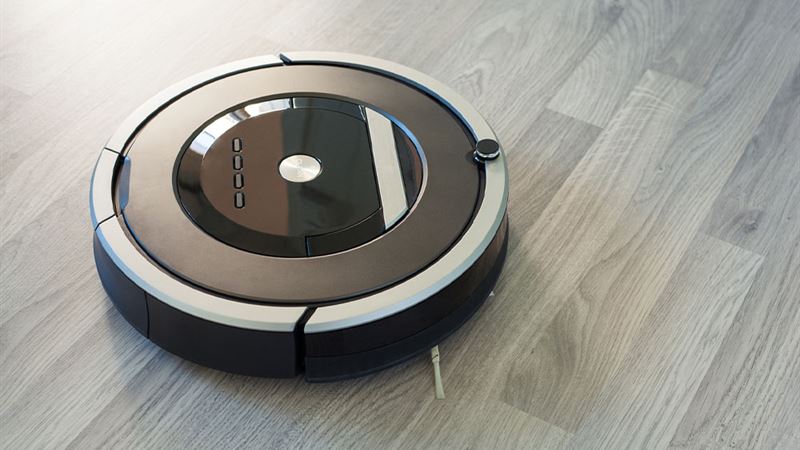
In today's fast-paced world, maintaining a spotless home can be challenging, especially with busy schedules. Robotic vacuum cleaners have revolutionized household chores by offering an innovative, efficient, and time-saving solution for floor maintenance. These intelligent devices are now equipped with advanced sensors, powerful motors, and versatile cleaning features that make them indispensable for modern households. Whether you're a busy professional, a parent managing household tasks, or someone seeking to reduce energy consumption and labor costs, a robotic vacuum can significantly enhance your cleaning routine.
Robotic vacuums excel in automating the tedious task of floor cleaning. They can navigate around obstacles, climb over carpets, and reach under furniture with ease. Many models now feature self-charging capabilities—they automatically return to their docking station when battery levels are low and resume cleaning once recharged. This seamless operation allows users to enjoy a consistently clean home without lifting a finger, even while asleep or away at work. The convenience provided by these devices has led to their widespread adoption across diverse household types.
One of the most appealing advantages of investing in a robotic vacuum is the potential for cost savings. By periodically cleaning on their own, these devices reduce the need for professional cleaning services and can contribute to lowering household bills. Over time, the energy efficiency and minimal maintenance requirements of modern robotic vacuums make them a smart economic choice. Furthermore, their compact design means they occupy minimal storage space and can be easily integrated into daily routines without disruption.
Beyond convenience and cost, robotic vacuums also promote cleaner indoor environments. Equipped with HEPA filtration systems, these devices trap fine dust particles, allergens, and pet dander, improving air quality—particularly beneficial for allergy sufferers. Their intelligent sensors help prevent falls from stairs and collisions with furniture, maintaining safety during operation. Many models also feature customizable cleaning modes, allowing users to select specific patterns or focus on heavily soiled areas, ensuring thorough cleaning tailored to individual needs.
Essential Considerations When Choosing a Robotic Vacuum
If you're planning to purchase a robotic vacuum, several critical factors should influence your decision. These considerations will help you select a model that aligns with your cleaning requirements, home layout, and budget.
- Battery Technology and Runtime: Look for vacuums powered by the latest lithium-ion batteries, as these offer longer usage times and quicker recharging. Some models feature smart docking stations that enable the device to return for charging automatically. Consider how long the battery lasts on a single charge and the time needed to recharge to ensure seamless cleaning cycles.
- Filtration System: High-quality HEPA filters are essential for capturing tiny dust mites, pollen, and allergens, especially if household members have respiratory sensitivities. Ensure replacement filters are readily available and cost-effective.
- Availability of Replacement Parts: Choose brands that offer easy-to-find replacement parts like brushes, wheels, and batteries. Authentic parts from the manufacturer generally maintain product integrity and warranty coverage, whereas third-party parts can be more affordable but may affect performance.
- Virtual Boundary Zones: Many models come with virtual wall technology, allowing you to designate no-go areas within your home. This feature is useful for protecting delicate items or restricting access to specific rooms.
- Intelligent Navigation and Mapping: Advanced robots use smart mapping to learn your home’s layout over time, improving efficiency and cleaning coverage. Some models even allow you to control and monitor their operation via smartphone apps.
Key Features to Prioritize in a Robotic Vacuum
When selecting a robotic vacuum, focus on features that will maximize performance and suit your cleaning preferences. The following aspects are crucial for making an informed choice:
- Sensor Technology: Modern robotic vacuums are equipped with sophisticated sensors that enable dynamic navigation. These sensors help the device avoid obstacles, prevent falls, and adapt to different floor types, ensuring safe and efficient operation across your entire home.
- Battery Life: Battery capacity directly impacts cleaning duration. Higher-capacity batteries allow longer cleaning sessions, reducing the number of recharges needed per cycle. Some models include auto-docking and recharging features that allow continuous or scheduled cleaning.
- Brush Design and Effectiveness: The performance of a robotic vacuum largely depends on its brushes. Full-width turbo brushes and beater bars effectively lift and collect dirt from various surfaces. Rotary side brushes are particularly useful for cleaning edges and corners, enhancing overall cleaning coverage.
- Multiple Cleaning Modes: Versatile cleaning options—such as spot cleaning, edge cleaning, and scheduled cleaning—allow users to customize the device's operation based on specific needs. More advanced models provide additional modes for deep cleaning or minimal disturbance.
- Dustbin Capacity: The dustbin’s size influences how often it needs to be emptied. Larger capacity bins are preferable for bigger households or areas with high dust accumulation, reducing interruptions during cleaning sessions.
The Future of Robotic Vacuum Cleaners: Trends & Innovations
The robotic vacuum industry continues to evolve rapidly, with new technologies enhancing their capabilities. Here are some emerging trends and innovations that are shaping the future of robotic floor cleaning:
- AI and Machine Learning: Increasingly, robots utilize artificial intelligence to better understand household layouts, recognize obstacles, and optimize cleaning paths. AI enables adaptive learning, personalizing cleaning routines over time.
- Smart Integration: Compatibility with smart home ecosystems, such as Amazon Alexa and Google Assistant, allows voice-controlled operation and seamless integration into broader home automation systems.
- Enhanced Navigation Technologies: Improvements in LiDAR, infrared, and ultrasonic sensors facilitate faster and more precise mapping, even in complex or cluttered environments.
- Eco-Friendly Designs: Manufacturers are prioritizing energy efficiency and sustainable materials to reduce environmental impact without compromising performance.
- Self-Maintenance Features: Future models may include automatic filter cleaning, self-emptying dustbins, and self-diagnosis capabilities to reduce user upkeep and extend appliance lifespan.
In conclusion, robotic vacuum cleaners represent a significant advancement in home automation and cleaning technology. Their intelligent features, convenience, and cost-effectiveness make them valuable tools for maintaining a clean and healthy living environment. By understanding the critical features and considerations outlined above, you can select a model that best suits your household's unique needs and enjoy effortless, efficient cleaning every day.