
Comprehensive Guide to Roadside Assistance Services for Wheelchair Vans
Discover essential roadside assistance options for wheelchair van users. Learn about towing services, emergency supports, specialized providers, and cost factors to choose the best coverage, ensuring safety and peace of mind on the road for disabled vehicle owners.
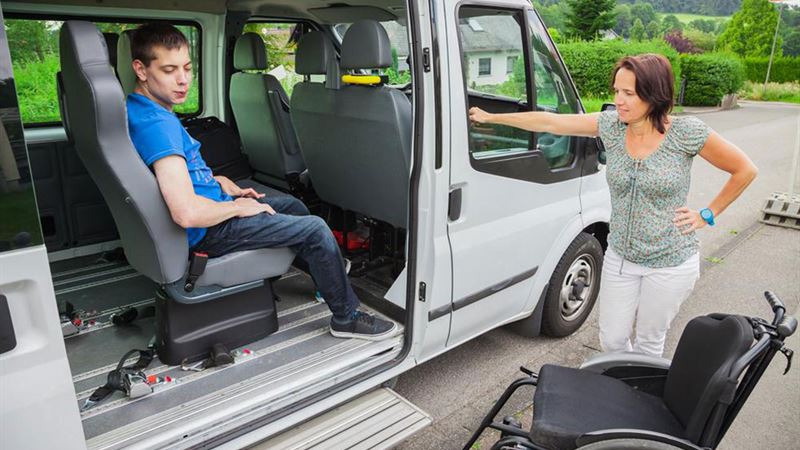
Ensuring reliable mobility for wheelchair users requires access to specialized roadside assistance services. Whether you own a new or used wheelchair van, understanding your options for roadside support is essential to address potential emergencies effectively. This comprehensive guide covers all critical aspects you need to consider when selecting roadside assistance plans tailored to wheelchair van users. From towing services to additional support features, learn how to choose a coverage plan that best suits your needs and enhances your safety on the road.
- Towing and Recovery Services
When selecting a roadside assistance plan, the availability of towing services is arguably the most critical factor, especially for wheelchair van owners. You need to determine whether the provider offers towing to the nearest dealership, repair shop, or any location of your choosing. Confirm whether they handle wheelchair vans specifically, as some providers may have limited towing options for specialized vehicles. Also, inquire about the type of towing equipment used to ensure it can accommodate the size and weight of your wheelchair van safely. A quick response time and reliable towing service are vital to reduce stress during emergencies, so always verify these details in your plan.
- Additional Emergency Support Services
Many roadside assistance providers include additional services that can be lifesavers during breakdowns or other emergencies. These may include flat tire repairs, battery jump-starts, fuel delivery, and lockout assistance. For wheelchair van users, ramp assistance or vehicle entry support can also be crucial. Some plans may offer these services at no extra charge, while others might charge additional fees. It's advisable to review the scope of services included and select a plan that covers all necessary aspects of emergency support specific to your vehicle type.
- Specialty Services for Disabled Vehicle Owners
Choosing an assistance provider specializing in services for individuals with disabilities or wheelchair accessibility can provide peace of mind. These specialists often have staff trained to handle wheelchair lifts, ramps, and other modifications unique to accessible vans. Such providers may also respond faster or be more knowledgeable about the specific challenges faced by wheelchair van owners, ensuring quicker and more appropriate assistance during emergencies. Consider whether the provider has experience working with used wheelchair vans too, as cost-effective options are important for many users.
- Coverage for Medical Emergencies and Vulnerable Situations
In some cases, roadside incidents may escalate to medical emergencies, especially for individuals with mobility limitations. It’s worth exploring whether your assistance plan includes priority medical support, such as paramedic dispatch or coordination with emergency services. Some providers may offer ambulance services or direct you to nearby medical facilities quickly. Understanding this aspect can be vital since prompt medical attention can be critical for wheelchair users who may be more vulnerable during breakdowns or accidents.
- Cost Considerations and Plan Flexibility
Cost is a significant factor when choosing roadside assistance. Look for plans that balance affordability with comprehensive coverage tailored for your specific needs. Some providers offer tiered plans or customizable options, allowing you to select only the services you require. Additionally, check for membership renewals, cancellation policies, and whether the provider offers roadside assistance for both new and used wheelchair vans. Flexibility in plans ensures you get the best value while maintaining essential coverage.
- Factors to Evaluate Before Making a Decision
Before subscribing to any roadside assistance plan, conduct thorough research. Request detailed information about their response time, customer reviews, coverage limits, and service network. Confirm whether they have a dedicated support team familiar with wheelchair van needs. Also, verify the geographical coverage—are services available nationwide or limited to certain regions? It's prudent to compare multiple providers to find a plan that offers the most reliable, prompt, and comprehensive assistance tailored for wheelchair van users.
In summary, selecting the right roadside assistance coverage for wheelchair vans requires careful consideration of towing services, additional emergency supports, specialty expertise, and overall costs. Ensuring that the provider understands the unique requirements of accessible vehicles and prioritizes quick, effective responses can significantly enhance safety and peace of mind. With the right plan in place, wheelchair van owners can confidently navigate journeys, knowing help is just a call away during unforeseen incidents.