
Effective Methods for Reducing Age Spots and Achieving a Youthful Skin Glow
Discover comprehensive and effective strategies to reduce age spots and restore your skin’s youthful glow. Learn about topical treatments, professional procedures, and lifestyle tips to achieve a clearer complexion and maintain skin health. Expert advice ensures safe and personalized skin care plans for lasting results and a confident, radiant appearance.
As we age, many individuals begin to notice the appearance of age spots on their skin, often on areas exposed to the sun like the face, hands, and arms. These pigmentation marks, while harmless, can significantly affect a person's confidence and overall complexion. Fortunately, there are numerous effective solutions available, ranging from topical treatments and skincare routines to professional procedures, all designed with the goal of diminishing these stubborn spots and restoring a radiant, youthful appearance. This comprehensive guide explores the most popular and proven methods for age spot reduction, providing valuable insights into their benefits, application, and what to expect.
Understanding Age Spots: Causes and Characteristics
Before diving into the treatments, it is important to understand what causes age spots, also known as liver spots or solar lentigines. These hyperpigmented patches are primarily caused by prolonged exposure to ultraviolet (UV) radiation from sunlight, which accelerates melanin production in specific skin areas. Genetic factors, aging, and environmental influences also play a role. Age spots typically appear as flat, brown, or black patches that vary in size and are usually found on sun-exposed skin surfaces. While they are benign, many seek removal for cosmetic reasons due to their visibility and aging connotations.
Top Age Spot Removal Techniques and Treatments
- Skin Exfoliation with Alpha Hydroxy Acids (AHAs)
- Topical Lightening Agents
- Retinoid-Based Treatments
- Chemical Peels
- Laser and Light Therapy
- Cryotherapy (Freezing)
- Microdermabrasion
- Professional Skin Brightening Procedures
Each method varies in terms of effectiveness, cost, recovery time, and suitability depending on your skin type and the severity of pigmentation. Let's explore these options in detail.
1. Chemical Exfoliants and Alpha Hydroxy Acids (AHAs)
Alpha hydroxy acids (AHAs), such as glycolic acid, are popular in over-the-counter skincare products due to their gentle yet effective exfoliating properties. These acids work by loosening the bonds between dead skin cells, promoting cell turnover, and revealing fresher, brighter skin underneath. Regular use of glycolic acid-based products can diminish the appearance of age spots over time. They are suitable for mild pigmentation issues and can be incorporated into daily skincare routines. When used consistently, these treatments can lead to smoother, more even skin tone in a matter of weeks to months.
2. Topical Skin Lightening Agents
Many topical creams and serums contain active ingredients specifically targeted to lighten hyperpigmentation. Ingredients like hydroquinone, kojic acid, azelaic acid, and vitamin C are well-known for their skin-lightening properties. Hydroquinone is a powerful agent that inhibits melanin synthesis, effectively reducing dark spots. However, it should be used under medical supervision to avoid side effects. Kojic acid and vitamin C, on the other hand, are natural alternatives that brighten the skin gradually by reducing melanin production. Consistent application over several weeks can result in visible fading of age spots.
3. Retinoids for Skin Renewal and Pigmentation Reduction
Retinoids, including tretinoin and adapalene, are derivatives of vitamin A and are widely regarded for their ability to promote skin cell turnover. Their use can significantly improve skin texture, reduce pigmentation, and diminish age spots. Retinoids increase collagen production, making the skin look firmer and more youthful. They are usually prescribed by dermatologists and require careful use at night, coupled with sun protection during the day to avoid irritation. Over time, retinoids help in fading existing spots and preventing new ones from forming.
4. Chemical Peels
Chemical peels involve applying a solution containing acids (like glycolic, salicylic, or trichloroacetic acid) to the skin to remove damaged outer layers. This procedure accelerates exfoliation, revealing brighter, more even-toned skin beneath. Chemical peels can be customized in strength, from superficial to deep peels, based on the severity of pigmentation and skin type. Light peels are suitable for mild age spots and require minimal downtime, while deeper peels may require longer recovery but offer more dramatic results. Professional application ensures safety and optimal outcomes.
5. Laser and Light-Based Treatments
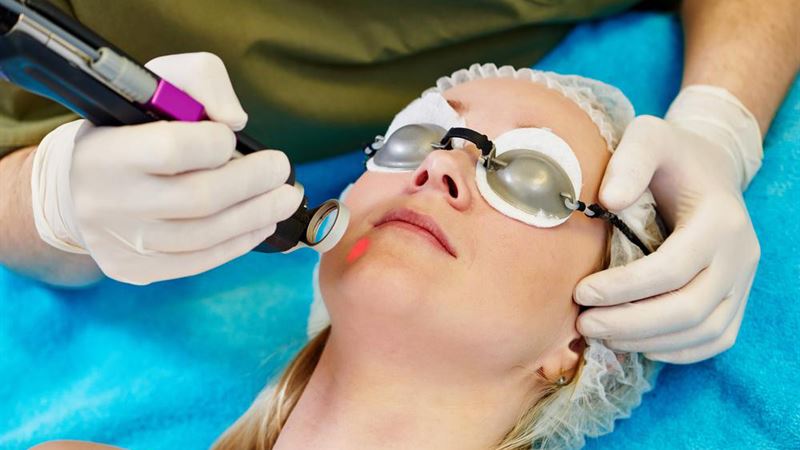
Laser therapy is considered one of the most effective approaches for stubborn age spots. Devices such as intense pulsed light (IPL) and fractional laser target melanin in the skin, breaking it down for natural removal by the body's immune system. This method offers rapid results and can treat multiple pigmentation issues simultaneously. While laser treatments are generally safe, they must be performed by experienced dermatologists to minimize side effects, such as redness or hyperpigmentation. Multiple sessions may be necessary for complete removal.
6. Cryotherapy (Freezing Off Spots)
In cryotherapy, a dermatologist applies liquid nitrogen directly to the age spots, freezing the pigmented cells for destruction. This minimally invasive treatment yields quick results, with the spots gradually fading over typical healing periods. It is particularly effective for isolated, well-defined spots. Post-treatment care involves protecting the skin from sun exposure to prevent new spots from forming. This method is cost-effective and widely used in dermatological practices.
7. Microdermabrasion and Dermabrasion
Microdermabrasion is a technique that utilizes tiny crystals or a diamond-tipped wand to exfoliate the skin's outer layer mechanically. This process helps reduce minor pigmentation issues, including age spots, while also improving skin texture and tone. In more severe cases, dermabrasion may be recommended, which involves a more aggressive sanding of the skin. These procedures can be performed in clinical settings, providing smoother and brighter skin with minimal downtime.
8. Professional Skin Brightening and Rejuvenation Procedures
Advanced treatments like intense pulsed light (IPL), fractional laser, and custom chemical peels are performed by experienced dermatologists to target stubborn pigmentation. These procedures are tailored to individual skin types and pigmentation levels. They can dramatically improve skin appearance, reducing age spots effectively. Usually, a series of sessions is necessary for optimal results. Post-treatment skincare and sun protection are critical for maintaining the benefits.
Choosing the Right Treatment for Your Skin
Determining the most suitable age spot removal method depends on various factors, including the size and severity of the spots, skin type, budget, and desired downtime. Consulting with a skincare professional or dermatologist is essential to develop a personalized plan that ensures safety and efficacy. Additionally, incorporating daily sun protection, such as broad-spectrum sunscreen and protective clothing, is crucial in preventing new age spots from forming and preserving the results achieved through treatment.
Tips for Maintaining a Youthful, Spot-Free Complexion
- Always apply sunscreen with at least SPF 30 every day, regardless of weather conditions.
- Incorporate antioxidants like vitamin C into your skincare routine to protect against environmental damage.
- Use retinoids or other skin-renewing products as prescribed to enhance longevity of treatment results.
- Keep your skin moisturized and avoid harsh skincare products that can irritate the skin.
- Stay hydrated and maintain a healthy diet rich in vitamins and minerals beneficial for skin health.
In conclusion, while age spots are a natural part of aging and sun exposure, their appearance does not have to be permanent. With a wide array of treatments available today, from over-the-counter solutions to advanced professional procedures, achieving a clearer, more youthful complexion is entirely possible. Always seek professional advice to determine the best course of action suited to your individual needs, and remember that consistent skincare and sun protection are key to maintaining beautiful, age-defying skin for years to come.