
Comprehensive Guide to Tension Headache: Symptoms, Causes, and Effective Home Remedies
This comprehensive guide explores tension headache symptoms, causes, and effective natural remedies. Learn how to identify and manage tension headaches through lifestyle changes, home treatments, and proper medication use. Empower yourself with strategies to reduce headache frequency and intensity, improving your quality of life sustainably without over-reliance on medications.
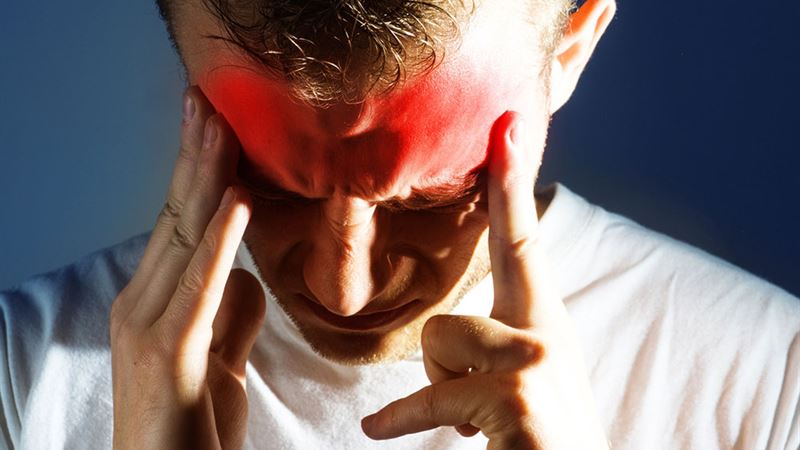
Identifying the type of headache you experience is crucial in choosing the right treatment plan. While all headaches involve some form of head pain, their underlying causes and accompanying symptoms can differ markedly. Tension headaches stand out as the most common form of primary headache disorder, characterized by a persistent, dull ache that can interfere with personal and professional life. By understanding the distinct features, symptoms, and available remedies, individuals can effectively manage tension headaches and reduce their frequency and severity.
What Are Tension Headaches?
Tension headaches are often described as a feeling of pressure, tightness, or ache around the forehead, temples, or the back of the head and neck. This type of headache is primarily caused by muscle contraction and stress-related factors that result in heightened tension in these areas. They are classified into two categories based on their frequency: episodic and chronic tension headaches.
- Episodic Tension Headaches: These occur less than 15 days a month and are characterised by mild to moderate pain that gradually develops and persists for a few hours or up to several days.
- Chronic Tension Headaches: These present more than 15 days per month and often linger, fluctuating in intensity but seldom dissipating entirely. Over time, they can lead to significant discomfort and impact daily functioning.
Recognizing the Symptoms of Tension Headaches
Understanding the symptoms can help differentiate tension headaches from other types such as migraines or cluster headaches. Common signs include:
- Persistent dull ache or feeling of pressure across the forehead, temples, or the back of the head
- Muscular tightness or soreness in the neck, shoulders, or scalp
- Gradual onset, often worsening as the day progresses
- Difficulty concentrating or feeling mentally sluggish
- Increased sensitivity to light or sound, albeit usually less severe than with migraines
- Difficulty sleeping due to discomfort or restlessness
- Fatigue and irritability in some cases
For those suffering from chronic tension headaches, symptoms may be persistent, affecting mood, sleep, and overall well-being. Recognizing these early signs can lead to prompt management, preventing symptoms from worsening over time.
Underlying Causes and Risk Factors
A range of factors contribute to the development of tension headaches, often involving a combination of physical, emotional, and environmental triggers:
- Stress and anxiety: Emotional strain can cause muscle tightness in the neck and head
- Poor posture: Prolonged sitting or improper ergonomic habits increase muscle stress
- Lack of sleep or irregular sleep patterns
- Eye strain from prolonged screen time
- Dehydration or poor hydration habits
- Dietary factors, including caffeine consumption or skipping meals
- Muscle overuse or tension from physical activity or repetitive movements
- Psychological stressors such as work pressure or personal issues
Understanding these factors allows individuals to implement preventive measures, reducing the likelihood of headache episodes.
Effective Treatment Options for Tension Headaches
Medications and Over-the-Counter Remedies
Most tension headaches can be effectively managed with simple pain relief medications available over the counter. According to headache specialist Jack M. Rozental, MD, Ph.D., non-prescription options like acetaminophen, ibuprofen, naproxen, or aspirin are typically sufficient to alleviate discomfort. Some combination medications that include caffeine alongside pain relievers can enhance efficacy. However, caution is advised when using these regularly.
Prolonged or frequent use of pain medications can lead to rebound headaches, known as medication-overuse headaches. To prevent this, individuals should avoid excessive reliance on OTC painkillers and consult healthcare providers for ongoing issues.
Natural and Home Remedies for Tension Headaches
An increasing number of sufferers prefer holistic approaches and home remedies to manage their tension headaches naturally. These methods can reduce dependency on medications and minimize side effects:
- Rest and Relaxation: Finding a quiet and dark environment to rest can significantly ease headache symptoms. Closing your eyes and relaxing in a comfortable position allows muscle tension to release, often diminishing headache severity. Rest is particularly effective for relieving episodic tension headaches.
- Massaging Key Areas: Gentle massage around the temples, neck, and shoulders can stimulate blood flow and relax tight muscles. Such practices alleviate muscle contraction-related pain and improve overall comfort.
- Warm Compresses: Applying a warm cloth or heating pad to the neck and the base of the skull helps relax tense muscles. Conversely, ice packs may be used if inflammation or swelling is suspected, providing additional relief.
- Stress Reduction Techniques: Incorporate meditation, deep-breathing exercises, or visualization to calm your mind and body. Regular practice of relaxation techniques can prevent muscle tension buildup, reducing headache frequency.
- Managing Stress Levels: Recognizing and minimizing stressors in daily life can be crucial. This might include delegating tasks, taking breaks, or engaging in enjoyable activities to reduce overall tension.
- Diet and Hydration: Maintaining a balanced diet, staying well-hydrated, and avoiding known headache triggers like caffeine, alcohol, and cigarettes can make a big difference. Ensure regular meals, especially breakfast, to stabilize blood sugar levels and prevent low blood sugar headaches.
Preventive Strategies and Lifestyle Modifications
Adopting a healthy lifestyle can dramatically decrease the frequency and intensity of tension headaches. Some preventative steps include:
- Maintaining good posture at work and home
- Taking regular breaks from screen time
- Engaging in regular physical activity to reduce stress and improve circulation
- Ensuring adequate sleep and establishing consistent sleep routines
- Practicing mindfulness and stress management techniques regularly
- Avoiding known dietary triggers and staying hydrated throughout the day
By implementing these lifestyle changes along with targeted home remedies, sufferers can regain control over their headache episodes and improve their quality of life.