
Understanding Gout: Symptoms, Causes, and Effective Management Strategies
Gout is a painful joint condition caused by uric acid crystal buildup. This comprehensive guide explores its symptoms, causes, diagnostic procedures, and effective treatment options, emphasizing lifestyle changes and medication strategies to help manage and prevent attacks. Proper management can significantly improve quality of life and joint health.
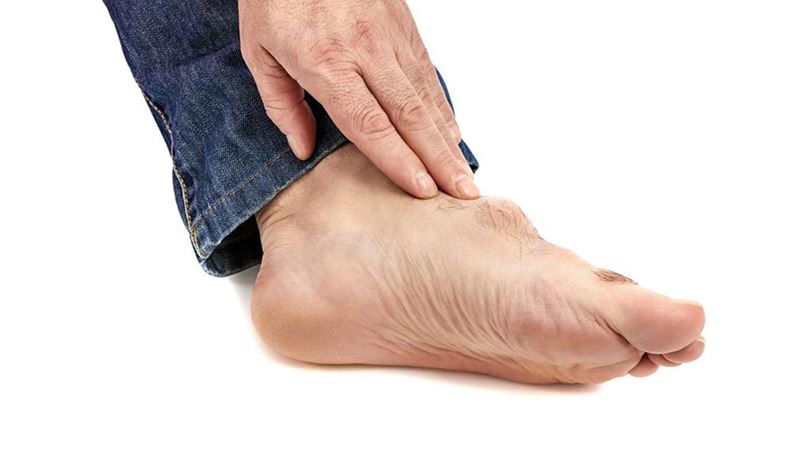
- Gout is characterized by sudden and intense joint pain, often accompanied by swelling.
- Redness and warmth are common features in the affected areas.
- Even after the pain subsides, some discomfort may persist, indicating ongoing joint issues.
- Progression of gout can lead to limited mobility and permanent joint damage if untreated.
Understanding the Root Causes of Gout
Gout is a metabolic disorder caused by the deposition of uric acid crystals within joints and tissues. This buildup results from elevated levels of uric acid in the bloodstream, a condition known as hyperuricemia. Normally, uric acid is a natural waste product generated when the body processes purines, which are found in many foods and cellular components. The body typically excretes uric acid through the kidneys via urine; however, when uric acid production exceeds elimination, it accumulates in the blood and surrounding tissues, forming sharp crystals that trigger inflammation and pain.
Factors contributing to hyperuricemia include genetic predisposition, dietary habits, metabolic syndromes, and kidney function impairments. Understanding these factors can help in managing and preventing gout effectively.
Key Risk Factors and Triggers for Gout
- Dietary Influences: Consuming foods high in purines such as organ meats (liver, kidneys), certain seafood (shrimp, sardines), red meats, and alcohol (especially beer) significantly raises uric acid levels. Sweetened beverages rich in fructose further exacerbate the risk.
- Obesity and Excess Weight: Carrying extra body weight increases the production of uric acid and hampers kidney efficiency in eliminating it, thereby escalating gout risk.
- Chronic Medical Conditions: Conditions like hypertension, diabetes, cardiovascular disease, and kidney problems are strongly associated with gout development.
- Medication Use: Certain medicines, including diuretics (commonly used for hypertension), aspirin, and medications for other chronic conditions, can raise uric acid levels.
- Other Factors: Factors such as dehydration, dehydration, surgery, trauma, illness, or genetic predisposition can all serve as triggers for gout attacks. Men are generally more susceptible, especially after age 30, while postmenopausal women also face increased risk.
Diagnosing Gout: Tests and Procedures
- Medical History & Physical Examination: The process begins with a healthcare provider reviewing symptoms, history, and inspecting the affected joints for swelling, redness, and tenderness.
- Blood Tests: Uric acid levels in the blood are measured, but elevated levels alone do not confirm gout because some individuals maintain high uric acid without developing symptoms.
- Joint Fluid Analysis: Extracting fluid from the inflamed joint and examining it under a microscope can confirm the presence of uric acid crystals, providing definitive evidence.
- Imaging Techniques: X-rays, ultrasound, and MRI play vital roles in visualizing joint damage, identifying uric acid deposits, and ruling out other causes of joint pain.
- Additional Tests: CT scans may be employed for complex cases where detailed visualization of uric acid deposits is essential.
Effective Treatment Approaches for Gout
Managing gout involves both immediate relief during attacks and long-term strategies to prevent future episodes. Treatment plans generally combine lifestyle changes with pharmacological interventions.
Lifestyle and Dietary Modifications
While medication provides rapid pain relief, lifestyle adjustments are crucial for comprehensive management. Adapting your diet to include more fruits, vegetables, whole grains, and low-fat dairy can improve overall health and reduce uric acid levels in the long run. Maintaining a healthy weight through balanced nutrition and regular exercise helps decrease the frequency and severity of gout attacks. Additionally, staying well-hydrated by drinking plenty of water assists the kidneys in flushing out excess uric acid.
Medications for Gout Relief and Prevention
Doctors often recommend specific drugs to control gout symptoms. Nonsteroidal anti-inflammatory drugs (NSAIDs), such as ibuprofen or naproxen, are commonly used during acute attacks to reduce inflammation and alleviate pain. Colchicine, another anti-inflammatory agent, is effective when administered early during an attack. In some cases, corticosteroids may be prescribed for quick relief when NSAIDs are contraindicated.
For long-term management, medications that lower uric acid levels are prescribed. These include xanthine oxidase inhibitors like allopurinol and febuxostat, which decrease uric acid production, and uricosuric agents like probenecid that enhance excretion. It's important to note that these medications may have side effects such as rash, kidney stones, or gastrointestinal upset, highlighting the importance of medical supervision.
Integrating Lifestyle Changes for Better Outcomes
Successful ganti management depends on consistency in lifestyle adjustments. Avoiding high-purine foods, limiting alcohol, especially beer, and reducing intake of sugary beverages can significantly reduce uric acid levels. Engaging in regular physical activity, quitting smoking, and managing stress are also beneficial. For some, these measures can decrease dependence on medications and improve quality of life.
Living with Gout: Tips for Long-Term Control
- Regular medical check-ups are essential to monitor uric acid levels and adjust treatment plans accordingly.
- Understanding and avoiding personal triggers can prevent flare-ups.
- Using cold compresses can help alleviate joint swelling during flares.
- Adopting a healthy lifestyle is vital to prevent joint damage and maintain overall well-being.
- Patient education about disease management empowers individuals to take charge of their health.
In conclusion, while gout can be a challenging condition, early diagnosis, effective medication, and lifestyle modifications make it manageable. By adopting a comprehensive approach, patients can significantly reduce the impact of gout on their daily lives and enjoy improved joint health and overall wellness.