
Comprehensive Guide to COPD: Symptoms, Diagnosis, and Effective Treatments
This comprehensive guide explores COPD symptoms, diagnosis methods, and treatment options. Early detection is vital for managing the disease and preventing severe complications. Key strategies include quitting smoking, medication, oxygen therapy, and surgical interventions when necessary. Lifestyle changes and regular medical follow-up can significantly enhance quality of life, making COPD a manageable condition with proper care. Understanding the disease's progression helps patients and caregivers stay prepared, ensuring timely intervention and better health outcomes.
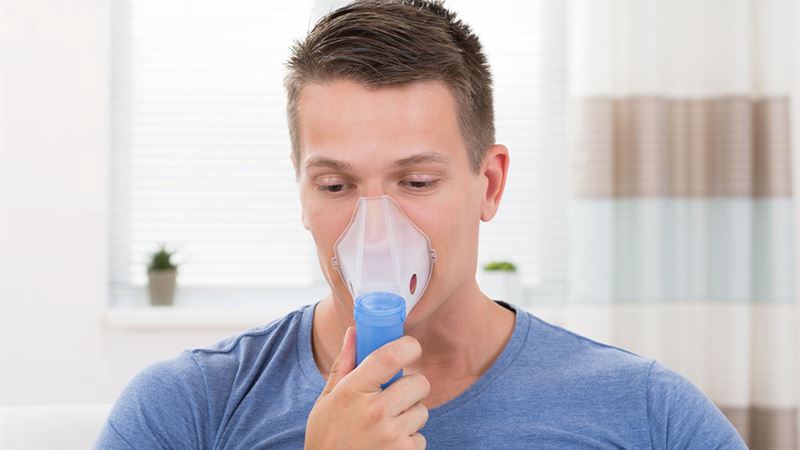
Chronic Obstructive Pulmonary Disease (COPD) is a serious respiratory condition that affects millions worldwide, yet many remain unaware they are affected until the disease progresses significantly. Studies indicate that approximately half of COPD cases go undiagnosed, partly because early symptoms are often subtle and easily mistaken for common colds or minor respiratory issues. Smoking remains a leading cause, but notable is that a significant proportion of COPD patients—about 25%—have never smoked, suggesting other factors like genetic predispositions and environmental exposures also play vital roles. Recognizing early signs and understanding available treatment options can greatly enhance quality of life and slow disease progression.
Understanding COPD: An Overview
Significant research highlights that COPD is a complex and progressive lung disease characterized by persistent airflow limitation. It encompasses conditions such as emphysema and chronic bronchitis, which cause airway obstruction and damage lung tissue. The disease develops over years, often silently, which complicates early diagnosis. Lifestyle factors, particularly tobacco smoke, are the primary contributors, but long-term exposure to airborne irritants like pollution, fumes, and occupational dust also increases risk. Genetic factors such as alpha-1 antitrypsin deficiency can predispose individuals to COPD, even in the absence of smoking.
Significant research highlights that COPD is a complex and progressive lung disease characterized by persistent airflow limitation. It encompasses conditions such as emphysema and chronic bronchitis, which cause airway obstruction and damage lung tissue. The disease develops over years, often silently, which complicates early diagnosis. Lifestyle factors, particularly tobacco smoke, are the primary contributors, but long-term exposure to airborne irritants like pollution, fumes, and occupational dust also increases risk. Genetic factors such as alpha-1 antitrypsin deficiency can predispose individuals to COPD, even in the absence of smoking.
Recognizing the Early Signs and Symptoms of COPD
Detecting COPD early can significantly improve management and prognosis. Since initial symptoms are mild and nonspecific, they are easily overlooked or mistaken for common ailments. However, awareness of these early manifestations can prompt timely medical consultation. Typical early symptoms include:
Detecting COPD early can significantly improve management and prognosis. Since initial symptoms are mild and nonspecific, they are easily overlooked or mistaken for common ailments. However, awareness of these early manifestations can prompt timely medical consultation. Typical early symptoms include:
- Occasional shortness of breath, especially during exertion
- Frequent need to clear the throat or sputum production
- Mild persistent cough
These symptoms may seem insignificant at first, prompting individuals to dismiss them or attribute them to aging, lack of fitness, or recurrent colds. Unfortunately, ignoring early warning signs often leads to disease progression, making symptoms more severe and harder to manage.
Progression of COPD: From Mild to Severe
As COPD advances, symptoms worsen and become more persistent, affecting daily life and overall health. The next stages include:
As COPD advances, symptoms worsen and become more persistent, affecting daily life and overall health. The next stages include:
- Increased difficulty breathing, even at rest
- Wheezing and chest tightness
- Persistent cough with mucus is more pronounced and frequent
- Fatigue and decreased physical activity
- Recurrent respiratory infections
- Frequent episodes of exacerbation, leading to hospitalizations
In severe stages, the symptoms become debilitating, significantly impairing quality of life. Patients may experience:
- Extreme shortness of breath, even during conversation
- Rapid heartbeat and episodes of cyanosis (bluish lips and fingernails)
- Significant weight loss and muscle wasting
- Confusion, drowsiness, and mental fatigue
- Inability to perform routine activities without assistance
Recognizing these signs early can prompt timely intervention, which is crucial to prevent further deterioration.
Potential Complications Associated with COPD
If left unmanaged, COPD can lead to numerous serious health problems, impacting various organs and systems. These complications include:
If left unmanaged, COPD can lead to numerous serious health problems, impacting various organs and systems. These complications include:
- Susceptibility to lung infections like pneumonia and bronchitis
- Development of lung cancer
- Cor pulmonale, where the right side of the heart fails due to increased lung pressure
- High blood pressure and atherosclerosis, increasing heart attack and stroke risks
- Malnutrition and unintended weight loss due to increased energy expenditure in breathing
- Mental health issues such as depression and anxiety
Understanding these risks underscores the importance of early diagnosis and aggressive management to prevent or delay these adverse outcomes.
Diagnosing COPD: Tests and Procedures
Accurate and early diagnosis is essential. Medical evaluation typically involves:
Accurate and early diagnosis is essential. Medical evaluation typically involves:
- Spirometry: A primary lung function test measuring airflow and volume to confirm airflow obstruction
- Imaging Tests: Chest X-rays or CT scans to visualize lung damage and rule out other conditions
- Pulse Oximetry: Measuring oxygen saturation levels in the blood
- Arterial Blood Gases: To assess oxygen and carbon dioxide levels for severe cases
- Assessment of medical history, including exposure to risk factors and symptom progression
Combining clinical evaluation with laboratory tests enables healthcare providers to stage the disease accurately and formulate an effective treatment plan.
The Spectrum of Treatment Options for COPD
Since there is no known cure for COPD, management focuses on alleviating symptoms, improving quality of life, and slowing disease progression. Standard strategies include lifestyle modifications, medication, and, in severe cases, surgical interventions.
Since there is no known cure for COPD, management focuses on alleviating symptoms, improving quality of life, and slowing disease progression. Standard strategies include lifestyle modifications, medication, and, in severe cases, surgical interventions.
- Smoking Cessation: The single most effective way to halt the disease’s progression. Quitting smoking can improve lung function and decrease exacerbations. Various methods like nicotine replacement therapy, counseling, support groups, and medications are available to assist in quitting.
- Medication Management: Inhalers are the frontline treatment, including bronchodilators, corticosteroids, long-acting muscarinic antagonists (LAMAs), and combination therapies. These drugs help relax airway muscles, reduce inflammation, and ease breathing.
- Oxygen Therapy: For patients with low blood oxygen levels, supplemental oxygen improves oxygenation, enhances sleep quality, and reduces complications. It can be administered continuously or during specific times, depending on the severity.
- Pulmonary Rehabilitation: A comprehensive program combining exercise training, education, and nutritional counseling to improve overall lung health and physical conditioning.
- Surgical Options: When medications and other therapies are insufficient, surgical interventions may be considered. These include lung volume reduction surgery (removing damaged lung tissue), bullectomy (removing large air sacs), or lung transplantation in advanced cases.
Undergoing surgery entails risks, including infection and scarring, which can sometimes exacerbate symptoms if not carefully managed. Therefore, surgical options are reserved for carefully selected patients.
Managing COPD also involves lifestyle adjustments such as engaging in regular physical activity, maintaining a healthy weight, avoiding lung irritants, and adhering strictly to prescribed treatments. Vaccinations against influenza and pneumococcus are strongly recommended to reduce the risk of infections that can worsen COPD.
Regular follow-up with healthcare providers is crucial for monitoring disease progression and adjusting treatments accordingly. Early intervention can significantly improve the prognosis and enhance life quality for those living with COPD.
In summary, while COPD remains a chronic, incurable disease, advances in medical treatments and lifestyle modifications can substantially improve patient outcomes. Awareness, early diagnosis, and committed management are the keys to living well despite the condition.