
Comprehensive Guide to Replacing Your Car’s Windshield Safely and Effectively
Learn the detailed process of safely replacing your car's windshield yourself. From damage prevention tips and important safety measures to step-by-step removal and installation instructions, this comprehensive guide covers everything you need to know for a successful DIY windshield replacement. Save time and money while ensuring your vehicle's safety and integrity with practical advice from industry experts.
Driving on the road exposes your vehicle to various hazards, especially to the windshield, which is crucial for safety and structural integrity. Understanding how to repair or replace a damaged windshield can save you time and money. Windshield damage often results from road debris such as rocks or gravel, especially when following large vehicles like trucks. Taking preventative steps can significantly reduce the chances of such damage, but in cases where replacement becomes necessary, knowing the proper procedure is essential for safety and quality results.
Most windshield damages occur when small objects like stones or pebbles are thrown up by other vehicles, particularly heavy-duty trucks and construction vehicles. These objects can impact the glass with enough force to cause cracks or chips. One effective way to minimize such risks is to maintain a safe distance of around 200 feet behind large trucks. This buffer zone allows debris that the trucks kick up to fall away, reducing the risk of impact.
Investing in a vehicle safety camera system can serve a dual purpose. Not only does it record road incidents for insurance purposes, but it can also document damage caused by other vehicles, which can be vital for claims. Should your windshield sustain damage from a truck or any other road hazard, photographic evidence from a camera can streamline the insurance process and prove liability if necessary.
Park your vehicle in a safe, controlled environment, away from overhanging trees, poorly placed signboards, or construction sites that could increase the risk of damage. Proper parking reduces the risk of external impacts and makes future maintenance tasks easier to handle.
When you notice cracks or chips that compromise safety or visibility, replacing the windshield might be the best option. While it might seem feasible to replace a windshield yourself, it requires patience, precision, and safety precautions. Incorrect installation not only risks damaging the new glass but could also pose safety hazards. Here’s a comprehensive, step-by-step guide to help you replace your windshield safely and correctly.
Before starting the replacement process, research and locate a reputable supplier or dealer offering high-quality, affordable windshields compatible with your vehicle. Once you have your new windshield, gather necessary tools like a windshield removal knife, scrapers, a caulking gun, suction cups, and appropriate cleaning solvents.
Step 1: Removing the Old Windshield
- Carefully detach the rubber or metal beading that holds the window in place. Use a windshield removal knife or similar tool to avoid damaging the paint or surrounding structure. Take your time, and ensure the beading comes off without tearing or gouging.
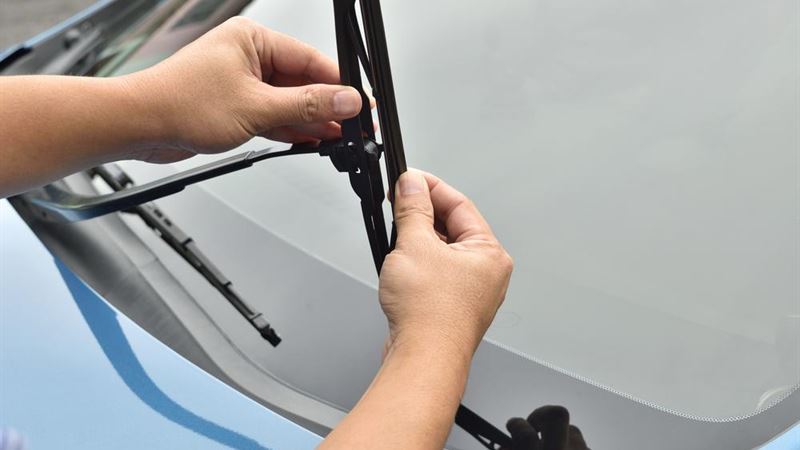
- Remove the windshield wiper arms by unbolting them or disconnecting the linkage, so they do not interfere during removal.
- Apply gentle pressure using suction cups or rubber gloves to carefully push the glass out from the frame. Do not force the glass; instead, work gradually to prevent cracking or injury.
Step 2: Preparing the Area for a New Windshield
- Use scrapers to eliminate old adhesive, silicone residues, and any remaining glue from the frame. Cleaning is crucial for adhesion and a tight fit for the new windshield.
- Apply an alcohol-based thinner or cleaner to the area to remove grease, dust, and residues. Be cautious to avoid damaging paint or plastic parts surrounding the frame.
Step 3: Installing the New Windshield
- Apply a high-quality urethane windshield adhesive or polyurethane-based caulking evenly around the frame using a caulking gun. Proper application ensures a secure seal and prevents leaks.
- Carefully position the new windshield, aligning it precisely with the frame. Use suction cups to hold and steady the glass during installation.
- Once in position, securely press the glass into the adhesive. Use tape, such as duct tape, to hold the windshield firmly in place until the adhesive cures.
Final Steps and Curing
- Allow the adhesive to cure for at least 4 to 6 hours, or as recommended by the adhesive manufacturer, before driving or exposing the windshield to water or extreme conditions.
- Reattach the wiper arms and ensure all components are properly fitted and functioning.
- Inspect the installation for gaps, leaks, or misalignments, and make adjustments if necessary.
Replacing your windshield by yourself can be a rewarding task if done with care and precise adherence to safety procedures. However, it is highly recommended to seek professional assistance for complex installations or if you lack experience. Proper installation not only extends the life of the repair but also guarantees your safety on the road. Regular maintenance and prompt repairs can help you avoid costly replacements and keep your vehicle in top condition.