
Top Common Mistakes When Vacuuming and How to Avoid Them for Better Cleaning Results
Proper vacuuming enhances cleaning efficiency and prolongs your device's lifespan. This article explores common mistakes like ignoring filter maintenance, overfilling dust bags, cleaning liquids with dry vacuums, and mishandling cords. Learn practical tips to improve your cleaning routine for a healthier home environment. Discover how regular upkeep, obstacle removal, and safe practices can prevent costly repairs and ensure optimal performance. Upgrade your cleaning habits today for better results and safer operation, ensuring your vacuum lasts longer and works more effectively every time.
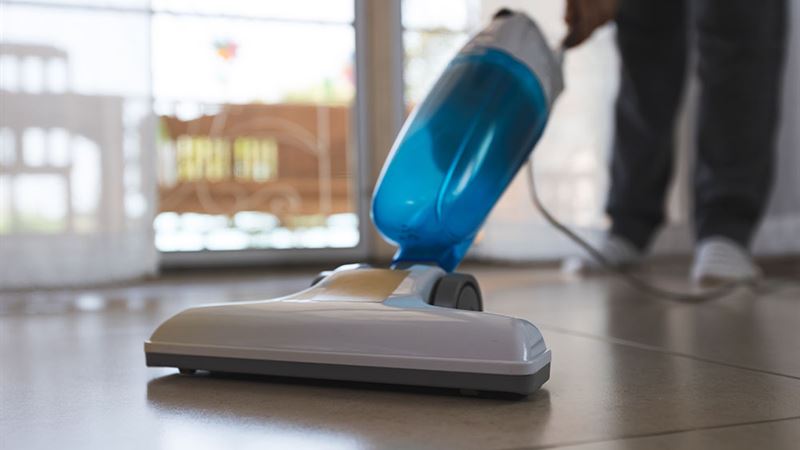
Regular vacuuming is essential for maintaining a clean and healthy living environment. However, many people unknowingly make mistakes that reduce the efficiency of their vacuum cleaners, shorten their lifespan, or even cause safety hazards. Understanding these common vacuuming errors and how to prevent them can significantly improve your cleaning routine, ensure your device operates optimally, and prolong its lifespan. This comprehensive guide dives into the most frequent vacuuming pitfalls and provides practical tips on how to avoid them for the best results.
Neglecting to Maintain and Clean Filters Properly
One of the most overlooked aspects of vacuum maintenance is the condition of the filters. Vacuum cleaners are equipped with filters designed to trap dust, dirt, and allergens, preventing them from being redistributed into the air you breathe. When these filters become clogged or dirty, the vacuum’s suction power diminishes, making it less effective at cleaning. Therefore, regular filter maintenance is crucial.
Many users forget to check their filters, especially if they’re washable or disposable. Washable filters should be rinsed with water, then thoroughly dried before reinstallation to prevent mold and bacteria growth. Disposable filters, on the other hand, need replacement every few months depending on usage. Ignoring this step can result in decreased air quality, poor cleaning performance, and increased strain on the motor.
Ignoring the Dirt Collection Bag or Bin
Another common mistake is neglecting to empty the vacuum’s dirt bag or collection bin. A full bag or bin hampers airflow and suction efficiency, forcing the vacuum to work harder to pick up debris. This not only reduces cleaning effectiveness but also causes unnecessary wear and tear on the motor, potentially leading to early failure.
To maintain optimal performance, make it a habit to check and empty or replace bags and bins regularly. Depending on your household’s usage and the size of the collection container, this might mean doing so after each cleaning session or at least once a week. Doing so ensures your vacuum operates smoothly and extends its lifespan.
Attempting to Clean Liquids with a Dry Vacuum
Many people mistakenly try to use their regular dry vacuum cleaners to clean up wet spills or puddles. This is a dangerous practice that can cause severe damage to the device and pose safety risks such as electrocution. Dry vacuums are not meant for liquid cleanup and can be ruined if used improperly.
If you need to clean up liquids, invest in a wet-dry vacuum designed specifically for such tasks. These appliances have special filters and components to handle moisture safely. Using the appropriate equipment not only protects your device but also ensures your safety and the proper disposal of liquids.
Neglecting to Remove Obstacles and Hard Objects
Before starting to vacuum, many users rush without removing obstacles such as coins, paper clips, or small toys from the cleaning path. These small objects might seem insignificant, but they can cause serious damage to the vacuum’s internal components, such as brushes, belts, and wheels.
Sitting objects like screws, stones, or other hard debris can jam motors, break brushes, or damage the suction hose. Regularly inspecting the area and clearing it of potential hazards will save you repair costs and ensure your vacuum performs efficiently. A quick sweep of the floor before vacuuming can prevent costly repairs and prolong the machine’s life.
Using Damaged or Frayed Power Cords
After an extensive cleaning session, some users tend to yanks the cord out of the socket rather than pulling it out gently. Over time, this rough handling causes the cord to fray or sustain internal damage, increasing the risk of electrical hazards, shorts, or fire.
Inspect the power cord regularly for any signs of damage, such as cuts, exposed wires, or fraying. If damage is found, refrain from using the vacuum until the cord is repaired or replaced by a professional. Safe handling of electrical cords is crucial for appliance longevity and personal safety.
Maintaining Your Vacuum for Longevity and Efficiency
Beyond avoiding specific mistakes, routine maintenance helps ensure your vacuum cleaner remains effective over the years. Regularly check and clean filters, empty bags, and inspect cords. Keep brushes and rollers free of hair and debris. Consult your user manual for specific maintenance needs based on your model.
Proper storage also plays a role—store the vacuum in a dry, safe place to prevent damage. Periodic professional servicing can catch potential issues early, saving you money and inconvenience in the long run.
Conclusion
Vacuuming is an essential part of keeping your home clean and healthy, but only if done correctly. Avoid common mistakes like neglecting filter maintenance, failing to remove obstacles, using the wrong tools for liquid spills, and mishandling cords. By paying attention to these details, you can enhance your cleaning efficiency, extend the lifespan of your vacuum, and enjoy a cleaner, safer environment. With simple adjustments and consistent upkeep, your vacuum cleaner can serve you reliably for many years to come.