
Comprehensive Guide to Recognizing and Understanding Metastatic Breast Cancer Symptoms
This comprehensive article explores metastatic breast cancer, its causes, symptoms across affected organs, and importance of early detection. Understanding risk factors and early signs can lead to timely action, improving prognosis and quality of life for patients with this advanced stage of breast cancer.
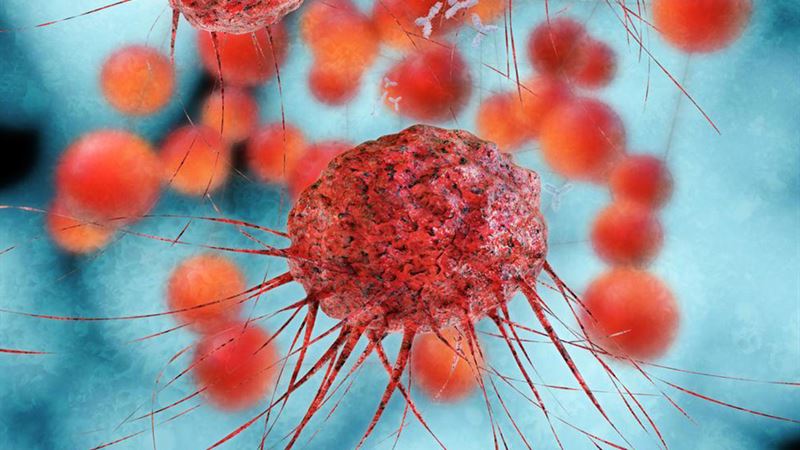
Metastatic breast cancer is a severe form of breast cancer that signifies the spread of malignant cells beyond the original breast tissue to other parts of the body. This progression can lead to significant health challenges and requires immediate attention. As this cancer advances, symptoms become more noticeable and varied, depending on the organs affected. Lifestyle, genetic factors, hormonal influences, and environmental exposures significantly contribute to the risk of developing metastatic breast cancer. Recognizing early signs is crucial for prompt medical intervention and improved outcomes.
Over recent decades, lifestyle choices such as poor diet, sedentary habits, and exposure to harmful substances have increased the incidence of breast cancer worldwide. Moreover, the rising average age of women experiencing hormonal changes due to early menstruation and late menopause further elevates susceptibility. When a lump in the breast is ignored or untreated over time, it can evolve into an aggressive form capable of metastasis, spreading to bones, lungs, liver, and brain. Early detection and lifestyle modifications are essential strategies to combat this disease.
What Exactly Is Metastatic Breast Cancer?
Many individuals mistakenly believe that metastatic breast cancer is a different type of cancer affecting bones or organs directly. However, it remains breast cancer at an advanced stage, where the malignant cells originating in the breast have migrated to other tissues. This condition is classified as stage IV breast cancer and is often regarded as the most challenging to treat. Despite the spread to other areas, it is crucial to understand that it is still breast cancer and is managed with specialized treatments designed for its unique behavior.
Metastatic breast cancer can be particularly aggressive because of the ongoing mutation of cancer cells driven by errors in DNA replication. These malignant cells proliferate uncontrollably, forming secondary tumors in vital organs. This malignant progression not only diminishes the quality of life but can also be life-threatening if not identified early. Understanding the disease’s nature empowers patients and caregivers to seek appropriate treatment and palliative care.
Root Causes and Risk Factors
- Genetic predisposition: Family history and inherited gene mutations like BRCA1 and BRCA2 significantly increase the risk of metastatic breast cancer. Genetic screening and counseling can help identify high-risk individuals.
- Hormonal influences: Estrogen, a key hormone in female reproductive health, is linked to breast cancer progression. Women with prolonged exposure to estrogen, either through early menarche (before age 12), late menopause (after age 55), or hormone replacement therapy, exhibit a higher risk.
- Reproductive history: Women who have their first childbirth after age 30 or have never been pregnant are more susceptible to developing aggressive breast cancers, including metastatic forms.
- Lifestyle and environmental factors: Excessive alcohol intake, obesity, lack of physical activity, and exposure to environmental toxins contribute to increased risk. A diet rich in unhealthy fats and processed foods fosters an environment conducive to cancer development.
Understanding these risk factors highlights the importance of regular screenings, healthy lifestyle choices, and proactive health management to decrease the possibility of metastasis.
Symptoms of Metastatic Breast Cancer
The manifestation of metastatic breast cancer symptoms varies depending on the specific organs involved. Early signs can be subtle or overlooked, but awareness is key for early diagnosis and intervention. Recognizing symptoms tailored to affected organs helps in prompt medical evaluation.
Signs of Bone Metastasis
- Persistent bone pain, especially in the back, hips, or ribs, indicates possible metastasis.
- Swelling or noticeable lumps may develop around affected bones.
- Fractures occur easily due to weakened bone structure.
Neurological and Brain Symptoms
- Seizures, dizziness, or sudden episodes of confusion might signify brain involvement.
- Changes in behavior, personality shifts, or cognitive decline can occur.
- Visual disturbances, such as blurred vision or loss of vision, are common symptoms.
- Persistent headaches that do not respond to medication are worrisome signs.
- Vomiting or nausea linked to increased intracranial pressure.
Liver Involvement Indicators
- Yellowing of the skin and eyes, or jaundice, suggests liver metastasis.
- Abdominal pain, especially in the upper right quadrant, indicates liver issues.
- Unexplained weight loss, loss of appetite, and rashes on the skin are common symptoms.
- Elevated liver enzymes detected through blood tests confirm involvement.
Signs When Lungs Are Affected
- Persistent cough, often with blood streaks, signals lung involvement.
- Shortness of breath or difficulty breathing becomes noticeable.
- Chest pain, especially when coughing or deep breathing, is common.
- Unusual fatigue and overall weakness are prominent symptoms.
While treatment focuses on palliation and slowing disease progression, emotional and social support from family and friends is vital for patient well-being. Early diagnosis significantly impacts management strategies and survival rates.