
Comprehensive Guide to Recognizing the Symptoms of Colitis
This comprehensive guide explores the key signs and symptoms of colitis, including diarrhea, abdominal pain, fatigue, and systemic effects. Early detection is vital for effective treatment and management of this inflammatory bowel disease, helping patients improve their quality of life and prevent complications.
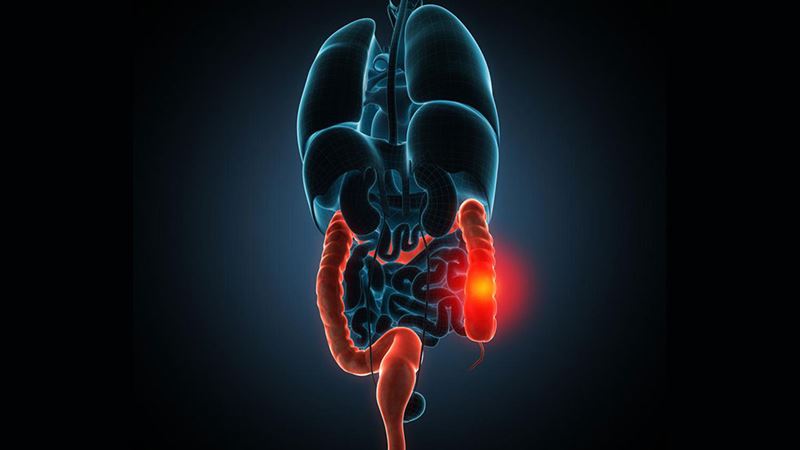
Understanding the common signs and indicators of colitis is crucial for early diagnosis and effective management. Here, we delve into the detailed symptoms that can help you identify this inflammatory condition of the colon.
Persistent Diarrhea and Its Characteristics
Diarrhea is among the hallmark symptoms of colitis, often accompanied by the presence of pus or blood in the stool. Some individuals might notice blood streaks visibly, whereas others may experience concealed bleeding, making it less obvious. If the inflammation is severe, patients might feel an urgent need to defecate immediately after eating, often struggling to control these urges. Such episodes necessitate dietary modifications, avoiding spicy, greasy, or high-fiber foods that can aggravate symptoms. Recognizing these patterns early can prevent worsening of the condition and prompt timely medical intervention.
Abdominal Pain and Discomfort
Cramping or persistent stomach pain is frequently reported in colitis cases. This abdominal discomfort can occur both before and after bowel movements. Many patients describe a sensation of soreness or aching in the lower abdomen, which may radiate to other areas. Additionally, some individuals experience pain in joints, muscles, or other parts of the body, indicating the systemic nature of the inflammatory response. Identifying the timing and nature of these pains helps differentiate colitis from other gastrointestinal issues.
Fatigue, Weakness, and General Malaise
The chronic inflammation associated with colitis often results in excessive tiredness and a sense of exhaustion that doesn't resolve with rest. Loss of appetite, coupled with nausea, depletes the body's energy reserves. Bleeding within the colon leads to anemia, as red blood cell counts drop, causing pallor and weakness, which further impair daily functioning. Sleep disturbances due to urgent bathroom visits disrupt rest cycles, exacerbating fatigue. Furthermore, ongoing watery diarrhea depletes the body's fluids and essential electrolytes, leading to dehydration and persistent nausea. These interconnected symptoms significantly diminish quality of life but can be managed effectively with proper treatment.
Recognizing and addressing even mild symptoms early on are vital steps in controlling colitis. If you experience any combination of these signs, consulting a healthcare professional promptly can lead to better outcomes and prevent severe complications.