
Essential Guidelines for Managing Your Diverticulosis Diet and Lifestyle
This detailed guide offers essential insights into managing diverticulosis through tailored diets and lifestyle modifications. Learning when to follow a liquid or high-fiber diet, alongside healthy habits like exercise and hydration, can significantly improve symptoms and prevent complications. Early intervention, regular monitoring, and adherence to medical advice are vital steps in maintaining digestive health and avoiding diverticulitis flare-ups. Empower yourself with knowledge to navigate daily life with diverticulosis effectively and confidently.
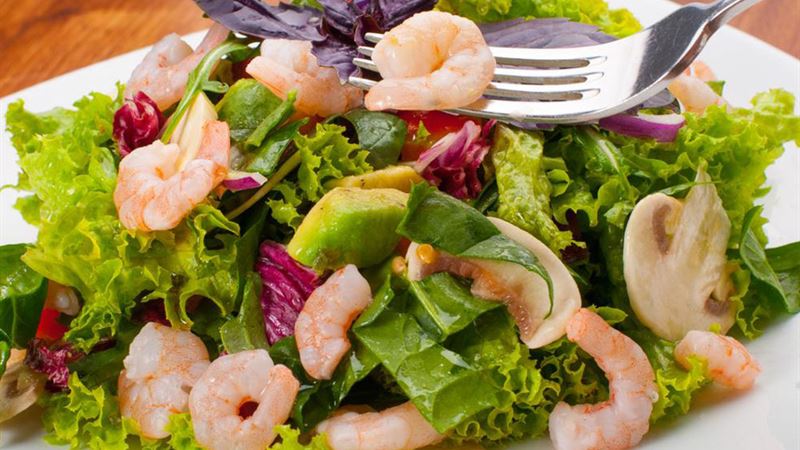
Living with diverticulosis requires a strategic approach to diet and lifestyle choices to manage symptoms and prevent complications. The condition involves the formation of small pouches in the colon wall, which can cause discomfort, bleeding, or inflammation if not properly managed. Implementing specific dietary routines, such as liquid or high-fiber diets, alongside lifestyle modifications can significantly improve your quality of life. This comprehensive guide aims to provide detailed insights into effective dietary strategies, symptom management, and lifestyle changes essential for individuals dealing with diverticulosis.
## Understanding Diverticulosis and Its Impact on Your Body
Diverticulosis is characterized by the development of small pouches, known as diverticula, in the wall of the colon. While many individuals may remain asymptomatic, some experience symptoms like bloating, cramping, or irregular bowel movements. The exact cause is linked to a diet low in fiber, chronic constipation, and aging. If left unmanaged, diverticulosis can progress to diverticulitis, which involves inflammation or infection of these pouches, leading to more severe health issues. Awareness and early management are crucial to avoiding complications.
Diverticulosis is characterized by the development of small pouches, known as diverticula, in the wall of the colon. While many individuals may remain asymptomatic, some experience symptoms like bloating, cramping, or irregular bowel movements. The exact cause is linked to a diet low in fiber, chronic constipation, and aging. If left unmanaged, diverticulosis can progress to diverticulitis, which involves inflammation or infection of these pouches, leading to more severe health issues. Awareness and early management are crucial to avoiding complications.
## Dietary Approaches to Managing Diverticulosis
Proper nutrition plays a vital role in controlling diverticulosis symptoms and preventing flare-ups. There are generally two primary dietary strategies: a liquid diet during acute episodes and a high-fiber diet for daily maintenance and long-term health.
Proper nutrition plays a vital role in controlling diverticulosis symptoms and preventing flare-ups. There are generally two primary dietary strategies: a liquid diet during acute episodes and a high-fiber diet for daily maintenance and long-term health.
- Liquid Diet During Acute Diverticulitis
When experiencing intense symptoms like severe abdominal pain, bleeding, or bowel irregularities, your healthcare provider may recommend a liquid diet. This diet reduces the workload on your digestive system, allowing inflammation and irritation to subside. Liquids should include broths, clear soups, fruit purees, fruit juices without pulp, water, ice pops, herbal teas (without dairy or added sugars), and gelatin. This phase typically lasts a few days or until symptoms improve. - Gradual Transition Back to Solid Foods
As symptoms lessen, a gradual reintroduction of low-fiber foods can help your digestive system recover without shock. Start with easily digestible options like white rice, lean meats, eggs, cooked vegetables, and refined grains. Close monitoring by your healthcare provider is essential to avoid aggravating your condition.
## High-Fiber Diet for Long-Term Management
Maintaining a high-fiber intake is key to preventing future episodes of diverticulitis. Fiber adds bulk to stool, facilitates regular bowel movements, and reduces pressure on the colon walls, minimizing the formation of new diverticula or irritation of existing ones. Incorporate a variety of fiber-rich foods such as fresh vegetables, fruits, whole grains, nuts, and legumes.
Maintaining a high-fiber intake is key to preventing future episodes of diverticulitis. Fiber adds bulk to stool, facilitates regular bowel movements, and reduces pressure on the colon walls, minimizing the formation of new diverticula or irritation of existing ones. Incorporate a variety of fiber-rich foods such as fresh vegetables, fruits, whole grains, nuts, and legumes.
- Examples of high-fiber foods:
- Spinach, kale, and other leafy greens
- Apples, pears, and berries
- Whole wheat bread, oats, barley, and brown rice
- Lentils, chickpeas, and beans
- Nuts like almonds and peanuts
- Prunes and dried fruits
Gradually increase your fiber intake to avoid bloating or gas, and ensure adequate hydration by drinking plenty of water throughout the day. Prioritize fiber-rich foods that are easy to chew and digest, especially if you have a sensitive stomach or recent health issues.
## Combining Diet with Lifestyle Changes for Optimal Results
Aside from dietary modifications, lifestyle adjustments are essential in managing diverticulosis effectively.
Aside from dietary modifications, lifestyle adjustments are essential in managing diverticulosis effectively.
- Exercise Regularly: Engaging in moderate physical activity, such as walking, swimming, or cycling, improves bowel motility and reduces intra-abdominal pressure, lowering the risk of complications.
- Weight Management: Maintaining a healthy weight reduces strain on your intestines and helps prevent flare-ups.
- Avoid Smoking and Excessive Alcohol: Both can harm the colon lining and weaken the immune system, increasing the risk of diverticulitis.
- Healthy Bathroom Habits: Respond promptly to bowel urges and avoid excessive straining during defecation. Using a footstool during bowel movements can promote easier elimination.
## Medical Interventions and Monitoring
While dietary and lifestyle changes are foundational, some cases may require medication or surgical intervention. Your healthcare provider may prescribe antibiotics for infections or recommend procedures if complications occur. Regular check-ups and colonoscopies help monitor your condition, ensuring early detection of any changes. Adherence to medical advice, combined with consistent diet and lifestyle modifications, provides the best chance to prevent recurrence.
While dietary and lifestyle changes are foundational, some cases may require medication or surgical intervention. Your healthcare provider may prescribe antibiotics for infections or recommend procedures if complications occur. Regular check-ups and colonoscopies help monitor your condition, ensuring early detection of any changes. Adherence to medical advice, combined with consistent diet and lifestyle modifications, provides the best chance to prevent recurrence.
## Final Tips for Preventing Diverticulitis Recurrence
- Stick to a high-fiber diet consistently.
- Stay well-hydrated to facilitate digestion.
- Keep active with regular exercise.
- Avoid smoking and limit alcohol intake.
- Respond quickly to bowel movement urges to prevent constipation.
- Manage stress levels, as stress can impact digestive health.
- Stick to a high-fiber diet consistently.
- Stay well-hydrated to facilitate digestion.
- Keep active with regular exercise.
- Avoid smoking and limit alcohol intake.
- Respond quickly to bowel movement urges to prevent constipation.
- Manage stress levels, as stress can impact digestive health.
By adopting these comprehensive strategies, individuals with diverticulosis can effectively manage their condition, reduce symptoms, and improve their overall well-being. Always consult your healthcare provider before making significant changes to your diet or lifestyle to ensure tailored advice suited to your specific needs.