
Essential Considerations for Selecting the Perfect Storage Shed
Discover essential tips for choosing the ideal storage shed, including material selection, design options, flooring types, and shed styles. This comprehensive guide helps you find a durable, functional, and visually appealing storage solution tailored to your needs, ensuring long-term satisfaction and efficient space management.
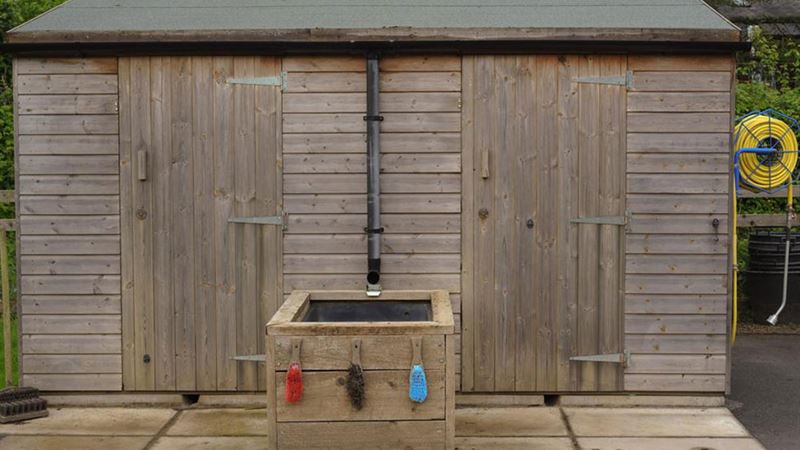
Choosing the Right Design
Design plays a pivotal role in how well your shed fits into your landscape and your functional needs. Popular styles include rustic, contemporary, and transitional designs, each catering to different preferences. Rustic designs often incorporate natural wood finishes and blend harmoniously with outdoor environments, making them ideal for rural or garden settings. Contemporary designs feature sleek lines, minimalistic forms, and modern materials that complement urban landscapes. When selecting a design, consider the overall aesthetic of your property and how the shed will integrate with existing structures. Additionally, the design should also consider practical aspects such as roof slope, door placement, and visibility for ease of use.
Flooring Options
Flooring is a crucial aspect as it impacts mobility, functionality, and long-term durability. If you plan to relocate your shed frequently or require portability, investing in floor frames with wheels or portable bases makes sense. For permanent structures, concrete flooring offers numerous advantages: it’s highly durable, easy to clean, resistant to pests, and able to withstand heavy loads. Wooden flooring might appeal to those seeking a more traditional aesthetic; however, it demands regular maintenance against moisture and pests. Alternatively, composite or rubber flooring can provide slip resistance and cushioning—ideal for gardening activities or workshop use. When choosing flooring, consider your primary use for the shed, budget, and maintenance capabilities.
Types of Storage Sheds
Storage sheds come in diverse styles designed to meet different functional and aesthetic needs. The type you choose should align with your storage requirements, landscape design, and climatic considerations. Here are some prevalent shed types:
- Apex Sheds: These classic-shaped sheds resemble small houses, featuring a central ridge with a sloped roof on either side. The design provides ample headroom and effective water runoff, making them suitable for general storage and workshop purposes.
- Pent Sheds: Characterized by a single sloped roof that leans in one direction, pent sheds are practical for areas with limited space. The sloped roof helps rain and debris slide off efficiently, preventing water pooling.
- Solar Sheds: Innovative and environmentally friendly, these sheds are fitted with transparent or semi-transparent roofing materials that allow sunlight to enter. They double as greenhouses, perfect for gardeners wanting to grow plants while storing tools and supplies.
- Expandable Sheds: As their name indicates, these sheds are designed for flexibility. They feature modular sections that can be added or removed depending on evolving storage needs. This makes them an excellent option for unpredictable storage requirements.
Beyond these options, you can also consider prefabricated kits or custom-built designs tailored to your specific needs. When selecting a shed type, evaluate factors such as available space, climate conditions, aesthetic preferences, and how much customization or expansion might be necessary over the years.
In conclusion, purchasing a storage shed requires careful consideration of materials, design, flooring, and type to ensure it meets your functional needs while fitting seamlessly into your landscape. By understanding these key factors, you can make an informed decision that provides lasting value, aesthetic appeal, and practical utility for years to come.