
Effective Self-Help Strategies to Alleviate Sleep Disorder Discomforts
Explore comprehensive self-help strategies to manage sleep disorder-related discomforts. Learn how establishing routines, optimizing sleep environment, dietary modifications, and relaxation techniques can enhance sleep quality. When these methods aren't enough, consult a sleep specialist for tailored treatments. Improve your sleep health naturally with practical tips designed for mild to moderate issues, helping you wake up refreshed and energized daily.
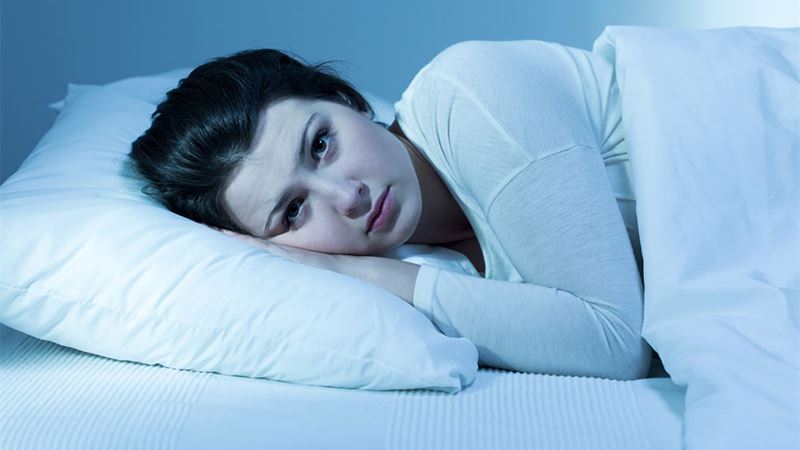
Sleep disturbances such as consistent insomnia, loud snoring, sleep apnea, restless legs syndrome, and recurrent fatigue can significantly impact daily life and overall health. Although these issues are common, they often require tailored interventions to improve sleep quality. Implementing practical self-help methods can often mitigate mild to moderate symptoms, providing relief and promoting better rest. In this comprehensive guide, we'll explore various lifestyle adjustments, environmental modifications, and routines that can help manage discomforts linked to sleep disorders, helping you wake up refreshed and energized every day.
One of the foundational steps in improving sleep health is establishing a consistent sleep schedule. Our body's internal clock, known as the circadian rhythm, thrives on routine. Going to bed and waking up at the same time each day helps regulate this biological cycle, enhancing sleep quality over time. It is advisable to select a fixed bedtime and an awakening time, even on weekends, to reinforce your sleep pattern. Consistency nourishes your body's natural tendency to sleep at certain hours, making falling asleep easier and awakening more refreshing.
Alongside maintaining a regular schedule, creating a bedtime routine that promotes relaxation is crucial. This can include activities that soothe your mind and body, signaling to your system that it's time to wind down. Examples include listening to calming music, reading a light book, practicing light stretching or meditation, or taking a warm bath. These activities help reduce stress levels and muscular tension, easing you into sleep. Experiment with different calming techniques to identify what works best for your unique needs.
Minimizing exposure to electronic devices before sleep is essential. Modern electronics—smartphones, tablets, laptops, and televisions—emit blue light, which interferes with melatonin production, the hormone responsible for regulating sleep. The suppression of melatonin makes falling asleep more difficult and can fragment your sleep cycle. To optimize sleep quality, turn off electronic devices at least an hour before bedtime and keep them out of your bedroom if possible. Engaging in screen-free activities such as reading a physical book, practicing meditation, or listening to gentle music can significantly improve sleep onset and continuity.
Dietary habits also play a vital role in sleep health. Avoiding heavy meals close to bedtime is highly recommended, as digestion can interfere with sleep onset and continuity. Experts advise allowing a minimum of three hours between your last meal and bedtime to ensure proper digestion and prevent discomfort. Additionally, lactose, spicy foods, and caffeine should be minimized or avoided entirely in the evening. Caffeine, found in coffee, tea, chocolate, and certain medications, is a stimulant that can last for several hours, disrupting your sleep cycle. Alcohol, contrary to popular belief, can fragment sleep and reduce restorative REM sleep. Therefore, abstain from alcohol and stimulants in the hours leading up to bedtime for better rest.
Optimizing your bedroom environment can substantially influence your ability to fall asleep and stay asleep. A room that is too bright, noisy, or uncomfortable can prevent restful sleep. Strive to create a sleep-friendly environment by dimming or blackout curtain installation to eliminate excess light. Use comfortable bedding and regulate the room temperature to a cool, comfortable level—generally between 60 and 67 degrees Fahrenheit (15-19 degrees Celsius). Also, consider noise reduction techniques such as earplugs, white noise machines, or soundproofing to drown out disruptive sounds. Adjusting your sleeping position can also help reduce issues like snoring or discomfort, so try different positions to find the most restful alignment for your body.
In addition to these environmental and behavioral modifications, adopting other healthy lifestyle habits can support your sleep health. Regular physical activity, for instance, improves sleep quality and duration; however, avoid vigorous exercise close to bedtime, as it can be stimulating. Maintaining hydration is important, but avoid drinking large amounts of fluids right before bed to reduce nighttime awakenings. Stress management techniques, including mindfulness, deep breathing, and progressive muscle relaxation, can help calm an overactive mind, making sleep more accessible.
It’s important to recognize that these self-help strategies are generally effective for mild to moderate sleep issues related to discomforts like occasional insomnia or slight fatigue. However, if your sleep problems persist for weeks or worsen despite these interventions, consulting a sleep specialist or therapist is essential. They can conduct comprehensive assessments, identify underlying conditions such as sleep apnea or restless legs syndrome, and recommend targeted treatments. Professional guidance may involve cognitive-behavioral therapy for insomnia (CBT-I), medication, or specialized therapies tailored to your specific needs. Ultimately, addressing sleep discomforts thoroughly can significantly improve your quality of life and overall well-being.