
Understanding Seizures: Recognizing Symptoms and Exploring Effective Treatments
This comprehensive article explores the stages, symptoms, and management strategies for seizures. From recognizing early warning signs to discussing medical, dietary, and surgical treatments, it provides valuable insights for individuals and caregivers. Emphasizing early detection, safety, and lifestyle modifications, the guide aims to improve understanding and control of seizures, enhancing quality of life for those affected by this neurological condition.
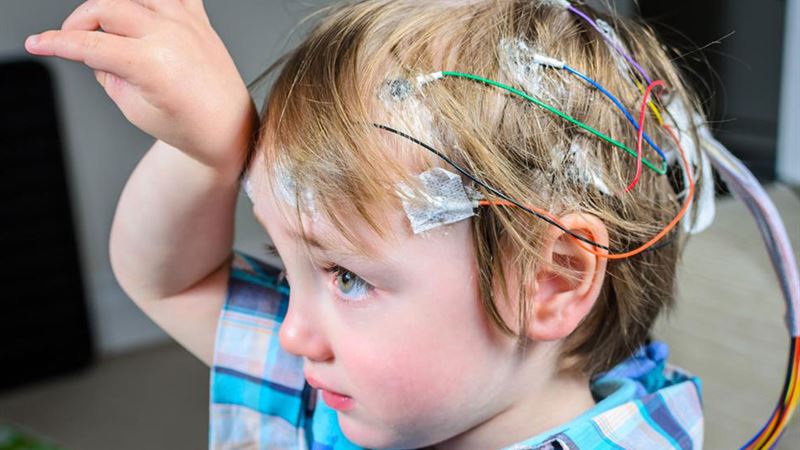
Seizures are neurological events that can significantly impact an individual's health and well-being. They usually occur due to abnormal electrical activity in the brain and can manifest in various ways. Recognizing the early signs and understanding the available treatment options are crucial for managing this condition effectively. Though seizures are complex and symptoms can differ widely among individuals, awareness can lead to prompt intervention, reducing health risks and improving quality of life.
This comprehensive guide delves into the different stages of seizures, common symptoms to watch for, and the most effective treatment strategies currently available. It aims to educate readers on recognizing early warning signs, the importance of timely diagnosis, and exploring both medical and lifestyle solutions to control and prevent seizures.
Stages of a Seizure: From Warning Signs to Recovery
Seizures typically unfold in three distinct phases, although not everyone experiences all of them consecutively. Understanding these stages can assist in early detection and intervention:
- The Aura (Prodrome) — This initial phase acts as a warning sign. Individuals may experience unusual sensations, smells, or tastes. Some report feelings of déjà vu or jamais vu, along with feelings of anxiety or discomfort. Recognizing these subtle clues can prompt caution before the actual seizure begins.
- The Ictal Phase — This is the core event of the seizure, characterized by abnormal electrical discharges in the brain. Symptoms can include uncontrollable movements, loss of consciousness, and sensory disturbances. The duration varies based on the type of seizure and individual factors.
- The Postictal State — After the seizure, individuals often experience confusion, fatigue, and weakness. Some may have memory gaps or temporary paralysis. Recovery time can range from minutes to hours, and during this phase, ongoing medical supervision might be required.
Each stage has unique features, and recognizing them promptly is essential for effective treatment. It’s important to note that some people may not experience all phases or may have atypical symptoms.
Key Symptoms and Early Warning Signs of Seizures
Detecting seizures early can greatly improve management and safety. The symptoms often vary depending on the individual and the type of seizure, but some common warning signs include:
- Severe Headaches with Dizziness — Persistent headaches accompanied by nausea or dizziness are often initial indicators of neurological disturbances leading to seizures.
- Unusual Sensory Experiences — Feelings of déjà vu (a sense of familiarity) or jamais vu (a sense of unfamiliarity) can precede seizure activity. These sensory distortions may cause confusion, panic, or disorientation.
- Vision Problems — Blurred vision, double vision, or visual hallucinations may occur, making surroundings appear distorted or creating the illusion of objects that aren’t there.
- Loss of Consciousness or Blackouts — A hallmark of many seizures, especially generalized ones, is sudden loss of awareness. It may involve fainting or temporary memory lapses, leading to confusion upon regaining consciousness.
- Involuntary Movements — Seizures often produce uncontrollable body movements such as rhythmic shaking, twitching, stiffening muscles, or head tilting. These uncontrolled movements can affect any body part and last from seconds to minutes.
The severity and duration of symptoms depend heavily on the seizure type and the individual’s overall health. Early recognition and prompt response can prevent injuries and facilitate appropriate treatment.
Comprehensive Approaches to Seizure Management
Though there is currently no definitive cure for seizures, multiple treatment strategies exist to control and reduce their occurrence. An integrated approach combining medical interventions, lifestyle adjustments, and psychological support offers the best prognosis.
Accurate Diagnosis: The First Step Towards Effective Treatment
Initial assessment involves identifying the specific type of seizure and its underlying cause. Misdiagnosis can lead to inappropriate treatments, potentially worsening the condition. Healthcare providers typically start with neurological examinations, followed by imaging tests like CT scans or MRIs to visualize brain structures. Electroencephalograms (EEGs) are crucial for detecting abnormal electrical activity, while additional tests such as electrocardiograms (ECGs) may be utilized if cardiac causes are suspected.
Psychological Support and Counseling
Living with seizures can be emotionally taxing. Psychological counseling helps patients understand their condition and fosters adherence to treatment plans. Connecting with support groups can also provide comfort and shared experiences, reducing feelings of isolation or anxiety.
Creating a Safe Physical Environment
Safety precautions are vital to prevent injuries during a seizure. Ensuring living spaces are free from sharp objects, securing furniture, and removing clutter can help. When a seizure occurs, moving the person to a safe, isolated area and preventing them from falling or hurting themselves is important. Never restrain the person or force activities during a seizure.
Medical Therapies: Medication and Beyond
Anti-seizure medications are the primary treatment modality. Benzodiazepines like lorazepam are often used during acute episodes, while long-term management may involve antiepileptic drugs such as phenytoin, valproate, or levetiracetam. These medications help stabilize electrical activity in the brain, reducing the frequency and intensity of seizures.
Specialized Diet Plans
For young children or cases resistant to medication, dietary interventions like the ketogenic diet are sometimes prescribed. This high-fat, low-carbohydrate regimen forces the body to burn fats rather than carbohydrates, which can decrease seizure activity. However, adherence can be challenging, and dietary supervision is essential.
Surgical Options for Severe Cases
When medication fails to control seizures, surgical procedures may be considered. Techniques include lobectomy (removal of specific brain tissue), neurostimulator implantation (like vagus nerve stimulation), and lesionectomy. These procedures can significantly reduce seizure episodes and improve quality of life but require thorough evaluation and planning.
Rehabilitation and Lifestyle Modifications
Post-seizure rehabilitation is crucial for restoring normal functioning. Patients are also advised to adopt lifestyle changes to minimize seizure triggers, including managing stress, avoiding sleep deprivation, limiting alcohol intake, and maintaining a balanced diet. Safety measures like avoiding swimming alone or driving without precautions are paramount.
Preventing Seizures: Strategies for Long-term Control
Seizures are unpredictable, but certain measures can reduce their frequency and severity. Creating a supportive environment and maintaining healthy habits are key. Proper sleep schedules, stress management techniques such as meditation or therapy, and consistent medication adherence are fundamental. Regular medical checkups ensure treatment efficacy and allow and adjustments as needed.
Recognizing early warning signs and acting promptly can prevent injuries and complications. Education about seizure first aid for caregivers and family members is also vital. Maintaining safety protocols, such as using helmets during risky activities or avoiding heights, further minimizes danger.
Conclusion: Taking Charge of Seizure Management
Seizures, while challenging, can be effectively managed through a combination of timely diagnosis, appropriate medication, lifestyle adjustments, and psychological support. Understanding the stages and symptoms enhances awareness, leading to rapid intervention and better outcomes. Although complete cures remain elusive, ongoing research continues to improve treatment options, offering hope for those affected. Empowerment through knowledge and proactive health management is essential in living a healthier, seizure-controlled life.