
Defending Your Mobile Devices and Cloud Infrastructure: Essential Security Strategies
This comprehensive guide explores the essential strategies to secure mobile devices and cloud infrastructures. It covers integration platforms, cloud management, cybersecurity frameworks, top security tools, and practical tips for enhanced protection. Ideal for organizations seeking to strengthen their digital security posture, the article emphasizes proactive measures, governance standards, and selecting the right tools to defend sensitive data across mobile and cloud environments effectively.
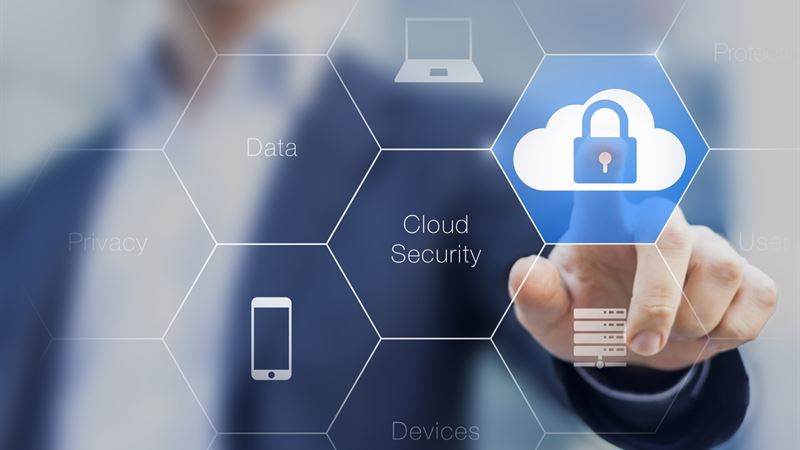
In our rapidly digitalizing world, mobile devices and cloud services have become indispensable tools for both personal and business use. They offer unmatched convenience, flexibility, and efficiency, but simultaneously introduce significant security challenges. Hackers recognize mobile phones as repositories of vast amounts of personal and corporate data, making them prime targets for cyberattacks. Similarly, cloud platforms, if not properly secured, can become vulnerable points that expose sensitive information and compromise entire organizational ecosystems. Ensuring comprehensive cybersecurity for these interconnected systems is critical to safeguard privacy, maintain trust, and ensure operational integrity.
With the proliferation of cloud management platforms and Integration Platform as a Service (iPaaS), organizations need to adopt holistic security strategies. These tools not only streamline operations but also open new vectors for potential security breaches. Therefore, a multi-layered approach that combines advanced technological measures, strong governance, and best practices is essential to protect mobile devices and cloud environments effectively. This article explores the core components of such strategies, including cloud service integration, cybersecurity governance frameworks, cutting-edge security tools, and practical steps to fortify your digital assets.
Understanding iPaaS and Cloud Management Platforms
Integration Platform as a Service (iPaaS) has revolutionized how businesses connect various applications and systems. This cloud-based solution allows disparate applications—whether legacy on-premise, cloud-native, or SaaS-based—to communicate seamlessly, facilitating data flow and process automation. By bridging different systems, iPaaS enhances operational efficiency and agility.
Alongside iPaaS, cloud management platforms (CMPs) serve as centralized control hubs that oversee multiple cloud services—public, private, or hybrid—within a unified interface. They enable organizations to monitor cloud resource usage, enforce security policies, automate provisioning, and optimize costs. Such platforms are essential for maintaining oversight over complex multi-cloud environments, ensuring that security protocols are uniformly applied and compliance standards are met.
These tools collectively provide heightened visibility into cloud activities, support automated security updates, and improve governance. When integrated properly, they form the backbone of a resilient cloud security architecture, helping organizations mitigate risks while maximizing the benefits of cloud computing.
Implementing Cybersecurity Governance, Risk Management, and Compliance (GRC)
Effective cybersecurity isn't solely about deploying the latest tools; it requires structured governance, risk management, and compliance (GRC) frameworks. GRC methodologies enable organizations to align security initiatives with business objectives, ensuring a cohesive and proactive security posture.
By establishing clear policies and standards, GRC frameworks facilitate consistent security controls across all platforms—mobile, cloud, and on-premises. They help identify vulnerabilities, evaluate potential impacts, and prioritize remediation efforts. With regulatory landscapes continually evolving, compliance becomes a critical aspect of cybersecurity GRC. Adhering to standards like GDPR, HIPAA, or ISO 27001 not only avoids penalties but also builds customer trust.
Furthermore, GRC fosters a culture of security awareness, promoting ongoing training and accountability among staff. Regular audits and assessments ensure controls remain effective and adapt to new threats, creating a resilient environment where data integrity and confidentiality are preserved.
Insights from the Gartner Magic Quadrant on Low-Code Platforms
The Gartner Magic Quadrant for Enterprise Low-Code Application Platforms offers valuable insights into the top vendors that enable rapid application development with minimal coding effort. These platforms significantly accelerate digital transformation initiatives and facilitate quick deployment of custom apps tailored to specific organizational needs.
Most of these low-code solutions seamlessly integrate with cloud services, enhancing their capabilities and flexibility. However, security should be a primary consideration when selecting a low-code platform. Recognized providers with robust security frameworks help organizations minimize vulnerabilities, especially when deploying sensitive applications that interact with cloud and mobile ecosystems. Proper evaluation of these platforms ensures that development speed does not come at the expense of security.
Best Practices for Securing Mobile Devices and Cloud Data
Securing your mobile devices and cloud data requires a comprehensive set of best practices. Here are essential steps every individual and organization should follow:
- Use Strong, Unique Passwords and Enable Two-Factor Authentication (2FA): Protect your accounts by creating complex passwords and activating 2FA wherever possible. This adds an extra layer of security, making unauthorized access more difficult.
- Encrypt All Data: Encryption is crucial for safeguarding data at rest and in transit. Ensure that your device storage is encrypted and that cloud data transfers use secure protocols such as TLS.
- Keep Software and Applications Up-to-Date: Regular updates patch security vulnerabilities found in operating systems and apps, reducing the risk of exploits.
- Install Reliable Security Applications: Use reputable mobile security solutions that provide malware protection, device tracking, and remote wipe features.
- Manage App Permissions Carefully: Review and restrict app permissions regularly, limiting access to sensitive data and device functionalities to only what's necessary.
- Secure Cloud Backups: Ensure cloud backups are encrypted and monitored for unauthorized access or anomalies. Use encrypted protocols and multi-factor authentication for backup accounts.
Comparing Leading Cloud Security Solutions
Several security tools are designed to enhance protection across cloud and mobile platforms. Here's an overview of some notable options:
| Tool | Key Features | Pricing | Ideal Use Case |
| AWS CloudTrail | Tracks user activities and API calls, logs management and auditing | Usage-based pricing | Large-scale enterprises using Amazon Web Services |
| Microsoft Azure Security Center | Threat detection, security posture management, compliance features | Included with Azure subscriptions | Azure cloud environments and organizations leveraging Microsoft tools |
| Google Cloud Armor | Protection against DDoS attacks, security policies enforcement | Pay-as-you-go | Google Cloud platform users |
| Lookout Mobile Security | Malware defense, phishing detection, Wi-Fi security, device tracking | Free basic plan, premium at $2.99/month | Mobile device users seeking comprehensive protection |
Security for mobile and cloud environments necessitates a multi-layered approach. Implementing integrated tools, adhering to GRC principles, and following best practices creates a robust defense mechanism. Investing in the right security solutions and maintaining vigilant operational procedures is paramount in protecting sensitive data amid the growing digital landscape.
Further Reading and Resources
1. Gartner Magic Quadrant for Enterprise Low-Code Platforms: https://www.gartner.com 2. AWS CloudTrail: https://aws.amazon.com/cloudtrail/ 3. Microsoft Azure Security Center: https://azure.microsoft.com 4. Google Cloud Armor: https://cloud.google.com/armor 5. Lookout Mobile Security: https://www.lookout.com/