
Comprehensive Guide to Respiratory Disorders: Causes, Types, and Treatments
Explore an in-depth overview of respiratory disorders, including their classifications, causes, symptoms, and modern treatment approaches. This comprehensive guide helps patients and healthcare providers better understand disorders like COPD, asthma, and pulmonary infections, emphasizing preventive measures and management strategies for improved respiratory health.
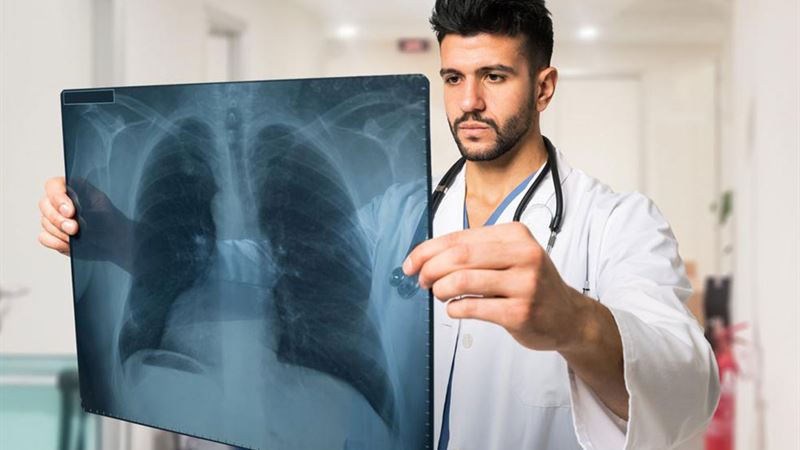
Respiratory functions are fundamental to human survival, allowing oxygen to enter the bloodstream and carbon dioxide to be expelled. Most respiration occurs involuntarily, driven by complex mechanisms involving the respiratory muscles and the nervous system. The diaphragm, a dome-shaped muscle situated beneath the lungs, plays a critical role. During inhalation, the diaphragm contracts, flattening to expand the thoracic cavity and decrease internal pressure, causing air to flow into the lungs. Conversely, during exhalation, the diaphragm relaxes and moves upward, pushing air out of the lungs. This process, although automatic, can be disrupted by various disorders affecting respiratory health.
Respiratory disorders are conditions that impair normal breathing, affecting either the upper airway, the lower respiratory tract, or both. Understanding these conditions requires a detailed overview of their classification, causes, and symptoms. Broadly, respiratory diseases are categorized based on the part of the respiratory system they affect:
- Upper respiratory tract disorders: Involving the nose, sinuses, pharynx, and larynx. Common illnesses include the common cold, sinusitis, laryngitis, andpharyngitis.
- Lower respiratory tract disorders: Affecting the trachea, bronchi, bronchioles, alveoli, and supporting tissues. Conditions such as bronchitis, pneumonia, emphysema, and chronic obstructive pulmonary disease (COPD) are included here.
Another framework for classifying respiratory diseases involves their underlying causes:
- Obstructive Diseases: Characterized by airway narrowing or blockage, making airflow difficult. Notable conditions include asthma, chronic bronchitis, and emphysema. These diseases often involve inflammation, mucus production, and airway hyperresponsiveness.
- Restrictive Diseases: Involving reduced lung expansion due to stiffening or scarring of lung tissue or chest wall abnormalities. Examples are pulmonary fibrosis, sarcoidosis, and alveolar damage.
- Vascular Diseases: Affect the blood vessels of the lungs, leading to problems such as pulmonary hypertension, pulmonary embolism, and pulmonary edema. These conditions impair blood flow and gas exchange within the lungs.
In addition to these major classifications, respiratory illnesses can originate from nerve and muscle dysfunction, infections, or environmental exposures. The complexity of these disorders requires comprehensive understanding for effective management.
Chronic Obstructive Pulmonary Disease (COPD): A prevalent and progressive respiratory condition, COPD results from long-term irritation and inflammation of the airways, lungs, or both. This chronic inflammatory response causes airflow limitation that is not fully reversible. The primary contributors include cigarette smoking, environmental pollutants, and genetic predispositions.
Chronic Bronchitis: A form of COPD, chronic bronchitis is characterized by persistent inflammation of the bronchi, leading to increased mucus production, cough, and difficulty breathing. The irritants—such as tobacco smoke, air pollution, or occupational hazards—stimulate the mucus glands, resulting in obstruction and compromised airflow.
Emphysema: This condition involves the destruction of alveoli, the tiny air sacs in the lungs responsible for gas exchange. When alveolar walls break down, the surface area available for oxygen and carbon dioxide transfer diminishes, leading to breathlessness and decreased oxygenation. Emphysema is often linked with long-term smoking.
Asthma: A reversible airway obstruction marked by episodic constriction of the bronchioles, resulting in difficulty breathing, wheezing, cough, and tightness in the chest. Asthma triggers include allergens, viral infections, pollution, and physical activity. Severe cases can be life-threatening if not properly managed.
Infections like pneumonia, bronchitis, and tuberculosis further complicate respiratory health, spreading rapidly among vulnerable populations. Environmental factors, including pollution and occupational exposures, exacerbate existing conditions or may instigate initial disease development. Understanding the pathophysiology, risk factors, and treatment options for these disorders is crucial for healthcare providers and patients alike.
Effective management of respiratory disorders involves pharmacological therapy, lifestyle modifications, pulmonary rehabilitation, and in some cases, surgical intervention. Advances in medical research continue to improve diagnostic tools and treatments, offering hope for better quality of life for affected individuals.