
Innovative Space Optimization Techniques for Compact Living Spaces
Discover effective space-saving strategies tailored for small homes. From under-the-bed storage to wall-mounted furniture and multi-functional pieces, learn how to maximize every inch of your living space. These creative solutions help reduce clutter, improve organization, and make compact living both stylish and functional. Perfect for urban dwellers and those seeking a more efficient use of their limited space, these tips pave the way towards a more comfortable, open, and welcoming home environment.
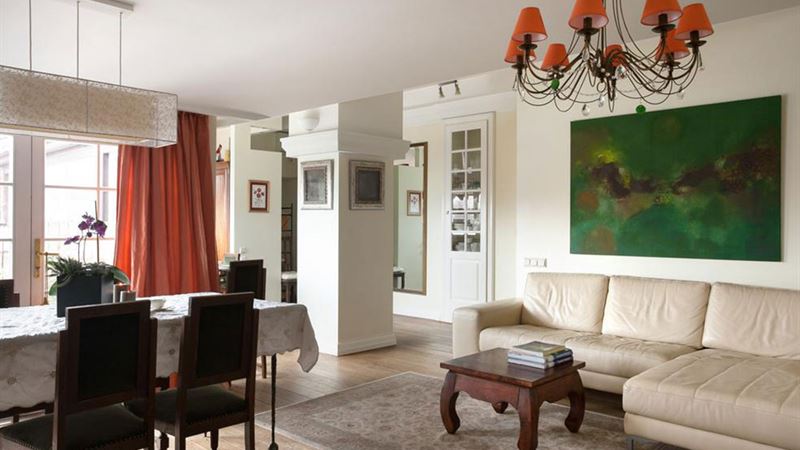
Maximizing limited space is essential for creating comfortable and functional small homes. Clever storage solutions can dramatically enhance your living environment without the need for expanding your property's footprint. With strategic planning and creative ideas, you can transform seemingly cramped areas into organized, spacious zones. From under-bed storage to innovative staircase compartments, each tactic serves to optimize every inch of your residence. Implementing these techniques will not only declutter your home but also elevate your lifestyle by making daily routines more efficient and enjoyable.
Start with under-the-bed storage – an often overlooked area that offers significant potential. Utilize sturdy storage boxes or vacuum-sealed bags to store seasonal clothing, bedding, or seldom-used items. Ensuring these are well-packed and organized allows you to free up closet space and maintain a tidy bedroom. This simple yet effective solution keeps your essentials accessible while keeping clutter at bay.
Don't forget the space beneath your staircase. Many homes have a triangle-shaped void that can be transformed into an incredible storage hub. Installing pull-out drawers or custom-built cabinets can turn this awkward space into an organized closet for shoes, accessories, or tools. For a more inventive approach, some homeowners create open shelving or even mini libraries under each staircase step, where books, small decorative items, or toys can be displayed in a stylish and accessible manner. These solutions convert an otherwise unused area into a functional part of the home.
Another smart tactic involves integrating wall-mounted furniture. Traditional desks and tables tend to occupy considerable floor space, which can be significantly reduced with fold-down or wall-mounted options. These compact surfaces can serve as workstations, craft tables, or dining areas that fold away when not in use. Pairing these with wall-mounted shelves or storage units creates a clean, clutter-free environment that adapts to your changing needs.
Additionally, considering vertical storage is vital. Installing tall bookcases or stacking shelves maximizes wall space, allowing for books, decorative items, or kitchen essentials to be stored vertically. This approach keeps items within reach without sacrificing valuable floor area, freeing up space for movement and other activities.
For bedrooms, space-saving beds are a game-changer. Murphy beds, fold-away beds, or sofa beds serve dual purposes, transforming from sleeping areas into lounge or workspaces during the day. When not in use, these beds fold neatly into the wall or a cabinet, turning your room into a versatile area suitable for relaxation, exercise, or hobbies.
Incorporate multi-functional furniture wherever possible. Ottomans with built-in storage, extendable dining tables, and chairs that nest together are excellent options that serve multiple purposes while conserving space. Selecting furniture with hidden compartments or clever design features ensures your rooms stay uncluttered without sacrificing style or comfort.
Lighting also plays a crucial role in creating the illusion of openness. Strategically placing mirrors, using light colors on walls and furniture, and installing adequate lighting enhances brightness and makes small spaces appear larger. Reflective surfaces bounce light around the room, reducing shadows and adding depth.
Finally, keep your environment organized. Regularly decluttering, investing in storage bins, and assigning designated spots for belongings help maintain a tidy and spacious feel. An organized home reduces stress and maximizes functionality, making your small living space more livable and aesthetically pleasing.
In essence, smart planning and innovative solutions are the keys to thriving in compact homes. By utilizing every inch thoughtfully — from under the bed to vertical walls — you can create a harmonious, efficient, and even delightful living environment. Remember, in small spaces, the right furniture and clever organization can significantly improve your quality of life, turning limited square footage into a comfortable and stylish sanctuary.