
Revolutionizing Home Living: The Rise of Advanced and Connected Appliances
This article explores the latest advancements in home appliances, highlighting smart features, energy efficiency, and innovative designs that enhance daily living. It covers categories like kitchen, personal care, health, entertainment, and HVAC systems, emphasizing how technology is revolutionizing household management for modern consumers. Discover how appliances are becoming more intelligent, user-friendly, and connected, promising a smarter, more efficient future for homes worldwide.
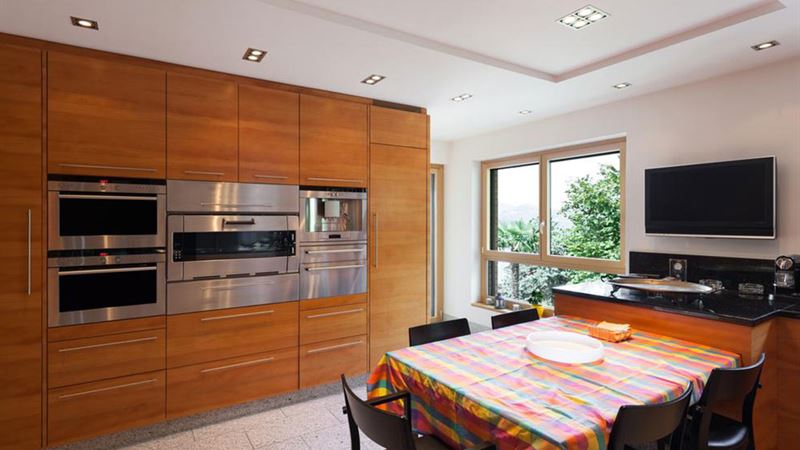
Breaking down the categories, home appliances now serve numerous functions, from simplifying chores to personal grooming, healthcare, and entertainment. The following are the primary classifications of commonly used modern appliances:
- Household Cleaning & Maintenance Devices: Vacuum cleaners, washing machines, dishwashers, robotic cleaners, and water purifiers.
- Kitchen Essentials: Refrigerators, microwave ovens, mixers, blenders, toasters, electric cookers, sandwich makers, induction stoves, and smart ovens.
- Personal Grooming & Care: Hair dryers, electric shavers, trimmers, hair removers, and ironing devices.
- Health & Wellness Devices: Blood pressure monitors, glucometers, body weight scales, fitness trackers, and morning walkers.
- Entertainment & Media: Smart televisions, high-fidelity sound systems, digital cameras, and streaming devices.
- Other Essential Appliances: HVAC systems, air purifiers, water filtration units, and specialized cleaning tools for vehicles and home spaces.
The landscape of home appliances is continually expanding. Each year introduces new innovations, upgrades existing models, or replaces outdated ones, reflecting the rapid pace of technological progress. Modern appliances now boast a range of intelligent features that make daily routines more seamless and energy-efficient.
Hallmarks of Cutting-Edge Modern Appliances
Over the past twenty years, the electronics and home appliances market has undergone transformative changes, mostly driven by technological advancements. Today's appliances are smart, connected, and highly automated, significantly reducing manual intervention and optimizing energy consumption. Let's explore some of the most prominent examples:
Smart Refrigerators: Traditional refrigerators kept food cold but lacked advanced features. Now, these appliances transcend basic functions with impressive smart capabilities:
- Digital Temperature Control: Modern refrigerators feature touch-controlled, digitally adjustable temperature settings, allowing precise regulation of internal conditions with quick adjustments.
- Multi-Zone Compartments: Equipped with separate compartments, these refrigerators can maintain different temperatures suited for various foods, prolonging freshness and flavor preservation.
- Enhanced Storage Capacity: Innovative design techniques maximize internal space without increasing external dimensions, providing owners with ample storage solutions.
- Remote Management via Apps: Integrated with smartphone applications, users can monitor, control, and receive notifications from their refrigerators remotely, adding convenience and control.
Smart Televisions: The era of conventional TV is passé. Smart televisions now integrate internet connectivity, enabling a seamless blend of entertainment, browsing, and streaming experiences:
- Internet Connectivity & Streaming: Access to popular streaming platforms and online content has become effortless through built-in Wi-Fi modules.
- Voice Control & Artificial Intelligence: Many smart TVs support voice commands, allowing users to change channels, search for content, or control the device with simple voice instructions.
- Enhanced Display Technologies: OLED, 4K, and HDR technologies deliver stunning visual quality, making entertainment more immersive.
Smart HVAC Systems: Heating, ventilation, and air conditioning systems have embraced automation and energy efficiency. Ductless systems are popular due to their ease of installation and low power consumption. They feature:
- Wi-Fi Connectivity: Allowing remote temperature adjustments and scheduling via smartphone applications.
- Adaptive Climate Control: Learning user preferences and adjusting settings automatically to optimize comfort and energy use.
Apart from these, appliances like water purifiers, vacuum cleaners, and microwave ovens are increasingly characterized by premium quality, user-friendliness, and multifunctionality. Consumers are prioritizing hassle-free operation, durability, and versatility, driving manufacturers to innovate continuously.
In conclusion, the landscape of home appliances is evolving rapidly. From refrigerators to entertainment systems, each device now incorporates smart technology, enabling more personalized, efficient, and interconnected living spaces. As automation and Internet of Things (IoT) technologies become more prevalent, future appliances promise even greater convenience, energy savings, and integration, fundamentally transforming lifestyle and home management.