
Comprehensive Guide to Sewer Line Replacement: Methods, Costs, and Expert Tips
This comprehensive guide explores various sewer line replacement options, including traditional excavation and modern trenchless methods. Learn about costs, benefits, and expert tips to help homeowners make informed decisions. Discover how innovative techniques like pipe bursting, sliplining, and cured-in-place lining can save time, reduce costs, and minimize landscape disruption, ensuring a reliable sewer system and peace of mind.
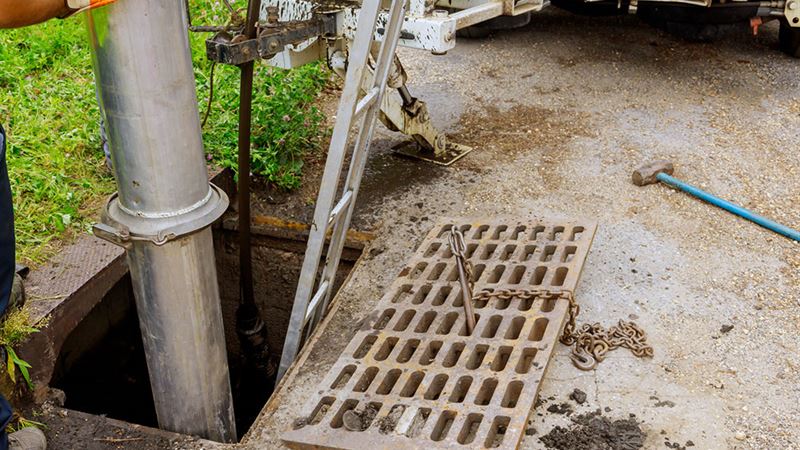
Traditionally, replacing a sewer line involves significant excavation—digging trenches across your yard or property to access and replace the affected pipes. While this traditional approach offers a comprehensive view and allows for thorough inspection, it is often labor-intensive, time-consuming, and costly, typically averaging around $7,500 or more depending on the length and complexity of the job. Heavy machinery and extensive landscaping restoration may add to the overall expense, making this method less desirable for many homeowners.
In response to these challenges, modern trenchless techniques have gained popularity due to their efficiency, cost-effectiveness, and minimal disruption. These innovative methods eschew large-scale digging, leveraging advanced technology to replace or repair sewer lines with little impact on your landscape or property.
Understanding Trenchless Sewer Replacement Techniques
Today, trenchless sewer repair and replacement methods dominate the industry because they significantly reduce labor, shorten project timelines, and eliminate the need for extensive excavation. Below, we explore some of the most common trenchless methods, their advantages, typical costs, and considerations to help homeowners make informed decisions.
- Pipe Bursting
Pipe bursting is an innovative method that involves breaking apart the old sewer pipe while simultaneously pulling in a new pipe in its place. The process starts by excavating small access points at the pipe's ends, where specialized equipment introduces a bursting head. This head forces through the existing pipe, fracturing it, and simultaneously pulls in a new pipe—generally made of high-density polyethylene (HDPE)—to replace the old one.
During the operation, the residual debris from the old pipe is removed, and the new pipe is seamlessly connected to the existing sewer system. Since the method often requires only minimal surface disruption, it is ideal for areas where full excavation would be problematic, such as under driveways or landscaped yards. Pipe bursting costs generally range from $60 to $200 per linear foot, translating into total costs of approximately $3,500 to $20,000, depending on pipe length and site conditions.
Advantages: quick installation, minimal surface disturbance, suitable for severely damaged pipes; Disadvantages: potential for damage if not performed properly, limited applicability in tight spaces. - Sliplining
Sliplining involves inserting a smaller, flexible pipe into the existing damaged pipe and sealing the space between them with grout or other sealing materials. This process effectively creates a new, durable liner within the old pipe, which can restore flow capacity and prevent leaks.
This technique is efficient for relining long sections of pipe and requires only small excavations at the connection points. The method is somewhat restrictive as it can reduce the pipe’s diameter, potentially impacting flow capacity, especially in older or smaller sewer lines. It is best suited for pipes where flow reduction is acceptable and structural integrity is the main concern.
The cost for sliplining generally ranges from $80 to $250 per linear foot, making it an affordable option for many homeowners. The process takes less time than traditional digging and minimizes landscape restoration needs. - Cured-in-Place Pipe (CIPP) Lining
CIPP is a sophisticated trenchless repair method involving the insertion of a resin-saturated liner into the damaged pipe, which is then cured in place using hot water, steam, or UV light. This creates a new pipe within the old one, effectively sealing cracks, leaks, and deterioration.
The process begins with the insertion of the liner through an access point—such as a manhole—and then inflation or curing completes the process. Because it involves minimal excavation, CIPP can be performed rapidly, often within a day, and causes little disruption to your landscape.
Costs usually range from $80 to $250 per foot, with total expenses potentially reaching $9,000 or more for extensive projects. While highly effective for many repairs, CIPP is not suitable for all types of sewer line issues, such as completely collapsed pipes.
Key Considerations When Replacing a Sewer Line
Making informed decisions about sewer line replacement requires careful planning and expert consultation. Here's an expanded list of critical tips to guide you through the process:
- Seek Professional Advice
Given the complexities involved and the variety of available methods, consulting with licensed and experienced plumbing or sewer specialists is essential. Professionals can assess your specific situation, recommend the most appropriate repair technique, and help you avoid costly mistakes. It’s helpful to gather multiple quotes and verify previous customer reviews to ensure you're selecting a reputable contractor. - Estimate Your Budget Carefully
Understanding the full scope of costs—from materials to labor, permits, landscaping, and potential unforeseen expenses—is crucial. Set aside a contingency fund—about 10-15% of your total budget—to cover unexpected issues that might arise during work. Having a clear financial plan helps prevent surprises and ensures you can complete the project without compromise. - Clear the Area of Obstacles
Before work begins, remove all obstacles such as outdoor furniture, vehicles, plants, and debris. This not only facilitates smoother operations but also prevents accidental damages. Proper site preparation is critical for safety and efficiency during sewer line replacement. - Prepare for Landscape Restoration
Traditional replacement techniques often involve deep trench excavations, which can impact lawns, gardens, and driveways. Be prepared for the associated landscaping costs and plan accordingly. Discuss landscape restoration options with your contractor beforehand to understand the full scope of potential expenses. - Hire Skilled, Reputable Professionals
Due to the importance and complexity of sewer repairs, always opt for licensed, insured, and experienced contractors. Verify credentials, seek references, and inspect previous work. Well-qualified professionals will minimize risks and deliver high-quality results, safeguarding your investment and property.
In conclusion, sewer line replacement has evolved significantly, offering homeowners cost-effective, less invasive options that save time and reduce property disruption. Whether choosing traditional excavation or modern trenchless techniques, proper planning, expert guidance, and clear communication are key to ensuring a successful outcome. Staying informed about the latest methods and costs enables homeowners to make smart decisions, ultimately securing the health and efficiency of their plumbing system for years to come.