
Recognizing the Most Common Signs and Symptoms of Cataracts: A Comprehensive Guide
Learn about the key symptoms of cataracts, including blurred vision, night vision problems, halos, and double vision. This comprehensive guide helps you recognize early warning signs and understand treatment options, emphasizing the importance of timely diagnosis and lifestyle adjustments to prevent vision loss due to cataracts.
Experiencing changes in your eyesight can be unsettling, especially if they develop gradually. Cataracts are a prevalent eye condition mainly affecting older adults, but they can also impact younger individuals due to various risk factors. Identifying early symptoms is crucial for effective treatment and maintaining the quality of life. This comprehensive guide explores the typical signs associated with cataracts, their causes, risk factors, and the available treatment options. Understanding these symptoms enables timely intervention, which can considerably improve outcomes and prevent irreversible vision loss.
Many individuals notice subtle changes in their vision long before the condition becomes severe. Recognizing these early warning signs can be lifesaving and can help you seek medical attention promptly. It’s important to be aware of how cataracts evolve and what symptoms are most indicative of this condition. By doing so, you can take proactive steps to protect your eyesight, including lifestyle adjustments and scheduling regular eye check-ups.
Below, we detail the most common symptoms of cataracts, explain their implications, and offer guidance on when to consult an eye care professional. Early detection and treatment are essential in preventing complications and maintaining optimal visual clarity.
- Blurry or Cloudy Vision - One of the initial symptoms of cataracts is blurred or foggy vision. Objects may appear hazy, and your sight may resemble looking through a frosted glass or a dusty window. This cloudiness tends to worsen gradually over time, interfering with your ability to perform daily tasks such as reading, driving, or recognizing faces. If your vision loss seems to increase progressively, it might be time to consult an ophthalmologist for an assessment.
- Reduced Night Vision - Cataracts often lead to difficulty seeing clearly in low-light conditions. Nighttime vision becomes impaired, making it challenging to navigate in dim environments. You might find it difficult to see objects that are not well illuminated, which significantly increases the risk of accidents while driving at night or moving around in poorly lit areas. If you notice a consistent decline in your ability to see in the dark, professional evaluation is recommended.
- Frequent Need for New Prescription Glasses - If you find yourself constantly updating your glasses or contact lens prescriptions every few months, this could be a sign of evolving cataracts. The clouding of the lens alters how light enters your eyes, necessitating stronger or different corrective lenses. This rapid change in vision correction needs should be discussed with an eye care specialist for accurate diagnosis and treatment planning.
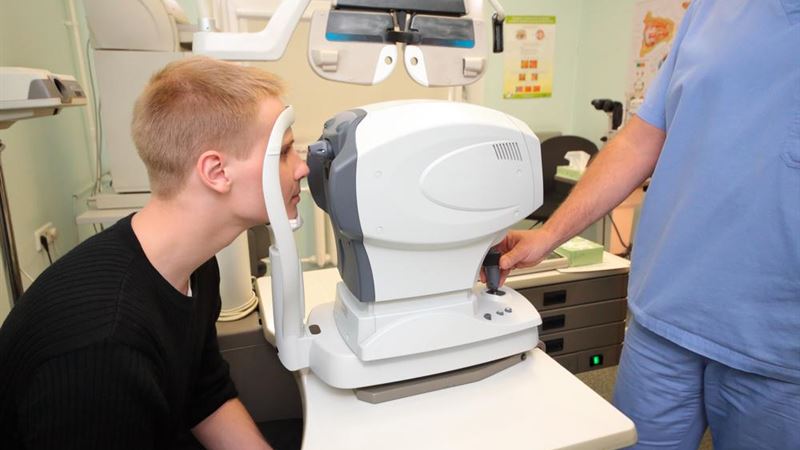
Seeking early consultation with an ophthalmologist can help determine the underlying cause of your vision problems. An eye exam, including a comprehensive assessment of the lens condition, will confirm whether cataracts are present and guide the appropriate intervention. Ignoring these symptoms can lead to worsening vision and potential blindness if left untreated.
- High Sensitivity to Light and Glare - Individuals with cataracts often experience increased sensitivity to bright light and glare. During the early stages, bright sunlight or intense artificial lighting may cause discomfort or even pain. As the condition advances, glare can become intolerable, making it difficult to work or drive. Specialized lenses or corrective procedures can alleviate these issues, but early diagnosis is critical to prevent discomfort and further deterioration.
- Seeing Halos and Rings - One of the distinctive symptoms associated with cataracts is witnessing halos or rings around light sources. The clouded lens causes light to scatter, creating optical illusions such as glowing halos around headlights, streetlights, or indoor lighting fixtures. These visual distortions can interfere with daily activities and increase the risk of accidents, especially at night. Recognizing this early warning sign prompts prompt medical attention.
- Double Vision or Diplopia - Cataracts can cause light diffraction within the clouded lens, resulting in double images or diplopia. You might notice seeing two separate images of the same object, either simultaneously or alternately, which can affect one or both eyes. Double vision often indicates a significant progression of the clouding, necessitating prompt evaluation and possible surgical intervention.
Another symptom that can appear with advancing cataracts is a yellowish tint to your vision. As the proteins within the lens clump together and oxidize, the lens may turn yellow or brown, tinting all viewed objects. This change can distort color perception, making it difficult to distinguish between shades accurately. It also hampers your ability to perceive colors correctly, affecting daily activities that rely on color differentiation.
Cataracts primarily develop as a natural consequence of aging, but other factors can accelerate their formation. These include prolonged exposure to ultraviolet (UV) radiation from the sun, exposure to harmful radiation from X-rays or chemotherapy treatments, a history of eye injuries, genetic predisposition, or lifestyle choices such as smoking and excessive alcohol consumption. Additionally, health conditions like diabetes, obesity, or the use of long-term steroid medications can contribute to cataract formation.
While aging remains the leading risk factor, it is important to understand that cataracts cannot be entirely prevented. However, certain lifestyle modifications can slow their progression and help manage symptoms effectively. For example, protecting your eyes from UV rays by wearing sunglasses, maintaining a balanced diet rich in antioxidants, controlling systemic conditions like diabetes, and avoiding smoking and excessive alcohol can make a significant difference. Regular eye examinations are also crucial to monitor eye health and detect early signs before significant vision loss occurs.
When cataracts reach an advanced stage and significantly impair vision, surgical removal of the clouded lens becomes the treatment of choice. Cataract surgery is considered safe and highly effective, involving the removal of the problematic lens and replacement with a clear artificial intraocular lens (IOL). This procedure often restores clear vision and improves quality of life. Postoperative care includes follow-up visits and adherence to eye care instructions to ensure optimal healing.
In summary, early recognition of cataract symptoms is vital for preventing severe visual impairment. By staying vigilant for signs such as blurred vision, sensitivity to light, halos, double vision, and yellowish tinting, individuals can seek timely medical intervention. Combining proactive lifestyle changes with regular eye check-ups can reduce the risk of cataracts and enhance overall eye health.