
Comprehensive Guide to Leading Food Delivery Platforms in 2023
This comprehensive guide explores the top food delivery platforms of 2023, detailing their features, pros, cons, and what makes each unique. Whether seeking quick urban delivery, subscription perks, or a broad range of delivery items, find out which service best suits your lifestyle. Learn about Uber Eats, DoorDash, Grubhub, Postmates, and Seamless, and how to choose the ideal platform for your needs. Make smarter decisions for your meals with this in-depth overview, ensuring reliable and enjoyable food delivery experiences.
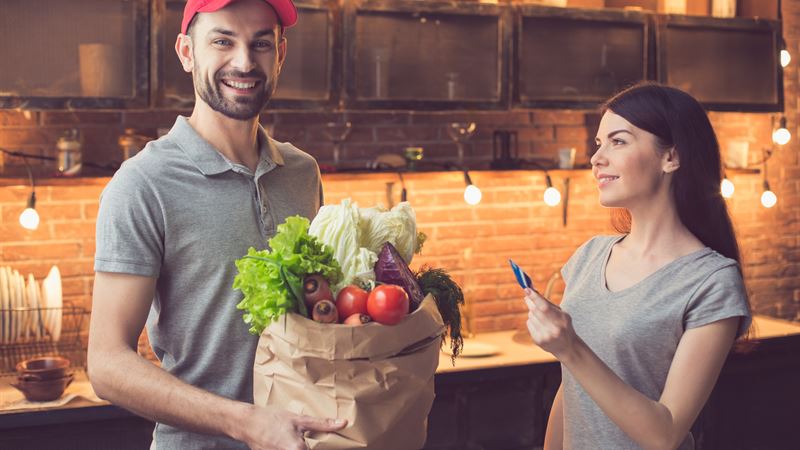
In today's fast-paced world, food delivery services have revolutionized the way we enjoy meals, offering unprecedented convenience and variety. With numerous platforms available, choosing the right service can seem overwhelming. This extensive guide explores the top food delivery companies in 2023, highlighting their strengths, weaknesses, and what sets them apart. Whether you seek rapid delivery, a wide selection of restaurant partners, or additional services like grocery or alcohol delivery, understanding the features of each platform can help you make an informed choice tailored to your lifestyle.
1. Uber Eats: Leading the Urban Food Delivery Market
Overview:
Uber Eats has established itself as a dominant force in the food delivery industry by leveraging Uber’s extensive network. Known for its quick and efficient service, Uber Eats connects users with a vast array of local and national restaurants. Its user-friendly interface, integrated with Uber’s rideshare app, makes ordering seamless and intuitive for millions worldwide.
Advantages:
- Extensive Restaurant Selection: Uber Eats partners with a wide range of eateries, from cozy local diners to high-end restaurants, providing diverse culinary experiences.
- Intuitive App and Website: The platform's interface is designed for simplicity, allowing users to browse menus effortlessly, customize orders, and track deliveries in real-time.
- Rapid Delivery Times: Utilizing Uber’s vast logistics network, most orders are delivered swiftly, often within 30 to 45 minutes, especially in metropolitan areas.
- Real-Time Tracking and Notifications: Customers receive live updates about their order status, ensuring transparency and peace of mind.
Disadvantages:
- Higher Delivery Fees During Peak Hours: Costs can escalate during busiest times, impacting affordability.
- Inconsistent Food Quality: Variability in restaurant standards can sometimes affect the overall dining experience.
- Limited Free Delivery Options: While promotions are frequent, free delivery isn't always guaranteed, especially for new users or during promotions.
2. DoorDash: Widely Popular with Valuable Membership Perks
Overview:
DoorDash stands out as one of North America's leading food delivery services, recognized for its reliable delivery network and high-quality customer support. It covers a broad spectrum of cities, including many suburban and rural areas, making it accessible to a wider audience.
Advantages:
- DashPass Subscription: Subscribers enjoy benefits like free delivery, reduced service fees, and exclusive offers for a monthly fee, adding value for frequent users.
- Broad Service Coverage: DoorDash operates in numerous cities across the continent, including small towns, ensuring accessibility beyond urban centers.
- Diverse Menu Choices: From local hidden gems to major chains, the extensive variety caters to all tastes and dietary needs.
- Integrated Ordering Features: Offers scheduled orders, contactless delivery, and group ordering options, enhancing convenience.
Disadvantages:
- Peak Hours Delay Risks: During busy periods, delivery times can stretch longer than expected, sometimes frustrating customers.
- Additional Service Costs: Besides the delivery fee, small order fees and service charges can accumulate, impacting the total cost.
- Variable Quality Control: The quality of delivery service can differ depending on the restaurant and location.
3. Grubhub: A Veteran in the Food Delivery Sector
Overview:
Operating for over a decade, Grubhub has grown into a household name with an expansive network of restaurant partners. Its widespread presence across the United States makes it a reliable option for many consumers seeking variety and dependable service.
Advantages:
- Vast Restaurant Network: A broad selection of dining options, from fast food to gourmet cuisines, ensures user satisfaction.
- Order Customization and Dietary Accommodation: Allows users to specify preferences, special instructions, and dietary restrictions easily.
- Rewards and Promotions: Regular discounts and a rewards program offer savings and incentives for continuous use.
- Seamless Integration with Corporate Accounts: Ideal for office catering and group orders, simplifying bulk and scheduled deliveries.
Disadvantages:
- Additional Costs on Small Orders: Service and delivery fees can add up, reducing cost-effectiveness for small but frequent orders.
- Inconsistencies in Delivery Experience: Service quality and punctuality may fluctuate based on location and restaurant partners.
- Limited Features in Some Regions: Certain advanced options might not be available in less populated areas.
4. Postmates: Beyond Food Delivery
Overview:
Owned by Uber since 2020, Postmates differentiates itself by providing a broader range of delivery items—including food, groceries, alcohol, and household essentials. Its expanded service scope caters to the modern consumer's diverse needs.
Advantages:
- Diverse Delivery Items: From meals to household goods, the platform offers comprehensive delivery options, reducing the need for multiple apps.
- Round-the-Clock Availability: Operates 24/7 in many regions, making it ideal for late-night cravings or early morning pickups.
- Subscription Plans: Subscriptions provide free delivery on eligible orders, offering cost savings for regular users.
- Flexible Delivery Options: Offers scheduled delivery, contactless options, and real-time updates for a seamless experience.
Disadvantages:
- Higher Service and Delivery Fees: Costs tend to be higher, especially for smaller or last-minute orders.
- City-Dependent Availability: Not all features or services are accessible in every location, limiting usability.
- Potential Delivery Delays: In busy periods or less accessible areas, delivery times can be unpredictable.
5. Seamless: The Urban Food Delivery Specialist
Overview:
Primarily serving major urban centers like New York City, Seamless is renowned for its quick delivery and extensive restaurant partnerships. Its focus on urban environments makes it a preferred choice for city dwellers.
Advantages:
- Extensive Urban Coverage: Particularly popular in NYC, it offers a wide selection of eateries across the city.
- Streamlined User Experience: The platform's interface is designed for simplicity and speed, facilitating fast orders.
- Corporate and Group Ordering: Perfect for office catering and group meals, with dedicated account options.
- Scheduled and Recurring Orders: Supports scheduling for upcoming deliveries and repeats, enhancing convenience.
Disadvantages:
- High Fees for Frequent Use: Continual ordering can lead to substantial costs due to delivery and service charges.
- Limited Rural and Suburban Presence: Focused mainly on city areas, with limited options outside urban zones.
- Service Limitations in Less Populated Areas: Not ideal for users in rural locations seeking quick delivery options.
Choosing the right food delivery service depends largely on your individual needs, including the types of cuisine you enjoy, your location, and preferred service features. Uber Eats is renowned for its speed and urban service, while DoorDash offers compelling subscription benefits. Grubhub is celebrated for its vast restaurant network, and Postmates stands out for delivering more than just food. Seamless remains a top choice in dense urban environments, especially NYC.
Whether you prioritize variety, speed, cost, or additional services like grocery and alcohol delivery, the market provides options tailored to your lifestyle. Understanding the strengths and limitations of each platform allows you to select the service that best fits your dining habits.
By evaluating these detailed insights, you can confidently choose a food delivery platform that aligns with your preferences, ensuring satisfying meals delivered efficiently to your doorstep. Explore your options and enjoy the convenience of modern food delivery today!