
Key Elements of a Successful Preschool Curriculum for Early Childhood Development
Discover the essential qualities of a successful preschool curriculum that nurtures early childhood development. Learn how to evaluate programs based on child characteristics, staff qualifications, classroom environment, and integrated activities that foster cognitive, social, and physical growth. This comprehensive guide helps parents and educators select the best preschool programs to support their child's future success, emphasizing holistic development within a safe, engaging environment.
Understanding Your Child’s Unique Traits
Recognizing the individual characteristics and needs of your child is the first step towards selecting an effective preschool curriculum. Every child is different, and understanding their personalities, interests, and energy levels can help you choose a program that fosters their development. For example, some children thrive in bustling environments with large groups and social interactions, while others may flourish in smaller, more intimate settings. If your child is energetic and enjoys engaging with others, a curriculum that emphasizes social skills, physical activity, and collaborative learning can greatly benefit their growth. Incorporating daily physical exercises and outdoor activities into the routine supports their physical development and overall well-being.
Evaluating the Program’s Structure and Goals
When touring preschools, it is essential to have a meaningful discussion with the program director or administrator. Schedule a visit with a clear agenda to inspect the environment and understand the curriculum's philosophy. Observe how the staff interacts with children, how activities are organized, and whether the surroundings promote curiosity and independence. During your visit, ask yourself if the environment looks safe, welcoming, and conducive to learning. Some critical questions to consider include: Does the program have well-defined educational goals? Are those goals aligned with your child's developmental needs? Is there a balanced approach incorporating cognitive, emotional, social, and physical aspects? Does the school provide nutritious snacks that support healthy growth? Ensuring these aspects are addressed will help you determine if the curriculum can nurture your child's potential effectively.
Assessing the Qualifications and Attitudes of Staff
The quality of preschool education heavily depends on the competence and demeanor of the staff. During your interactions with the program director—or staff members—you should inquire about their qualifications, experience, and enthusiasm for early childhood education. Staff members should possess a genuine interest in each child's development and be attentive to individual needs. Ask about their tenure at the school, their training in early childhood pedagogy, and their approach to fostering a positive learning environment. Observe how teachers communicate with children—do they listen patiently, encourage participation, and offer personalized support? A stable, caring staff creates a secure environment that promotes learning and emotional growth, making it a critical component of an effective preschool curriculum.
Creating a Stimulating and Safe Physical Environment
The preschool's physical setting should be both comfortable and functional, designed to meet the age-specific needs of young learners. Spacious outdoor areas are vital—they offer space for physical activities, social interaction, and natural exploration. Inside the classroom, check for age-appropriate furniture, educational materials, and engaging equipment that stimulate learning. Phonological awareness activities, art supplies for creative expression, and mathematical manipulatives should be readily available. The environment should encourage children to move freely, express themselves, and develop their motor skills through structured and unstructured play. Art activities foster creativity, independence, and decision-making; children should be encouraged to draw and create without the pressure for perfection. Circle time is essential for movement, social interaction, and group learning, allowing kids to develop language skills and self-confidence. Opportunities for outdoor play enable children to explore, imagine, and develop their social skills through teamwork. Small activities like puzzles and fine motor exercises further enhance dexterity and coordination. Overall, a well-designed physical environment supports physical, cognitive, and social-emotional development, making the curriculum truly effective.
The Importance of Integrated Learning Activities
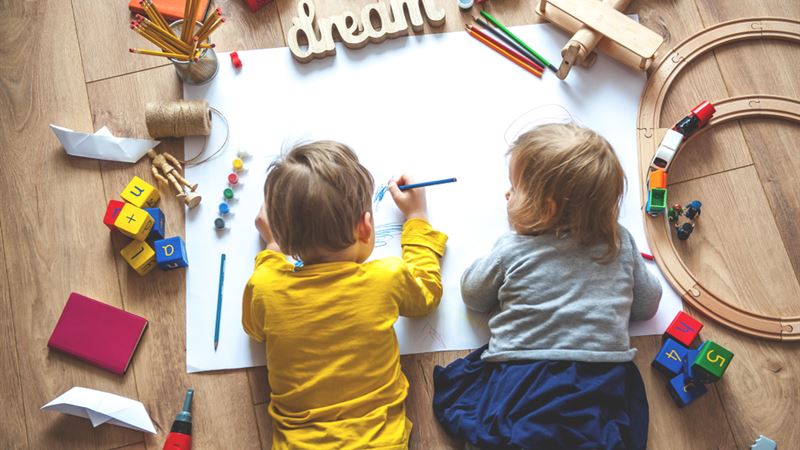
An effective preschool curriculum incorporates diverse learning activities that cater to different developmental domains. Artistic pursuits such as painting, drawing, and crafts play a crucial role in fostering creativity, decision-making, and independence. Children should be allowed to express their imagination freely, without concern for perfection. Regular circle time provides a platform for singing, storytelling, and discussions that improve language and social skills. Incorporating basic math concepts through playful activities makes numbers enjoyable and helps establish a strong foundational understanding of math concepts. Outdoor play is vital for physical health and social skills; children learn to negotiate rules, collaborate, and develop confidence through free play. Emphasizing social skills is also fundamental—activities such as group projects and classroom presentations teach cooperation, communication, and leadership. Simple motor skill exercises like threading beads, cutting shapes, or stacking blocks enhance fine motor control. When these elements are thoughtfully integrated into the curriculum, children receive a balanced, enriching early education experience that prepares them for future academic and life challenges.
Final Thoughts on Choosing the Right Preschool Curriculum
Selecting the right preschool curriculum involves careful consideration of various factors including the child's personality, the program’s goals, staff quality, and the learning environment. An effective curriculum should be holistic, engaging multiple senses and developmental areas. It should foster a love for learning, creativity, and social competence, while supporting physical health and emotional stability. Notice the atmosphere of the school—whether it feels nurturing, stimulating, and organized. Remember, the best preschool experiences lay a solid foundation for lifelong learning and personal growth. When you find a program that aligns with your child’s needs and your values, you provide them with a nurturing environment that encourages curiosity, independence, and resilience—traits that will serve them well throughout their educational journey and beyond.