
Comprehensive Guide to Purchasing Repossessed Pickup Trucks from Financial Institutions
Learn everything about buying bank-owned pickup trucks, including benefits like cost savings and warranties, as well as potential challenges such as limited selection and no test drives. Discover effective strategies for research, inspection, bidding, and legal considerations to secure a reliable and affordable vehicle. This comprehensive guide equips you with the knowledge needed for a confident purchase of repossessed trucks, ensuring you maximize value while minimizing risks. Perfect for budget-conscious buyers seeking dependable vehicles through bank or auction channels.
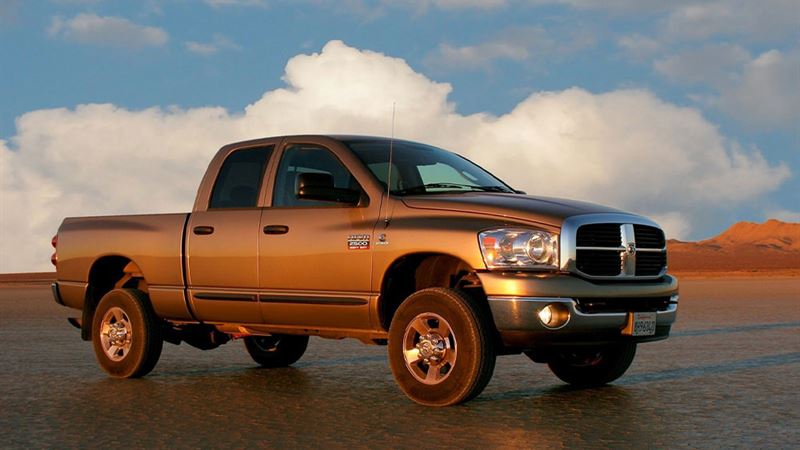
Buying a vehicle from a bank or financial institution can be a strategic decision that offers both financial benefits and potential pitfalls. Repossessed pickup trucks, in particular, have gained popularity among buyers seeking affordable, reliable, and relatively new vehicles. This comprehensive guide aims to walk you through the entire process—from understanding the advantages of purchasing bank-owned trucks to exploring the challenges involved and how to navigate them efficiently. Whether you’re a first-time buyer or experienced car shopper, this article provides in-depth insights to help you make well-informed decisions on repossessed trucks.
Understanding Bank-Owned Vehicles and Their Appeal
When a borrower defaults on an auto loan, the lender repossesses the vehicle, which is then typically sold through auction or direct sale by the bank. These vehicles, known as bank-owned or repossessed vehicles, often come at a significantly lower cost compared to market prices for similar models. The primary appeal lies in their affordability, which can be attractive to individuals seeking budget-friendly transportation options without compromising on quality. Additionally, some bank-owned trucks are relatively new, having been purchased a year or two prior, and often come with remaining manufacturer warranties, offering buyers peace of mind.
The Financial Advantages of Buying Repossessed Pickup Trucks
- Cost Savings on Purchase: Repossessed trucks are generally sold below their market value. Since banks aim to recover their funds quickly, they often price these vehicles competitively, enabling buyers to purchase a relatively new truck at a fraction of the original price. This is particularly beneficial for small business owners or individuals looking for dependable vehicles within a strict budget.
- Reduced Depreciation Impact: Unlike brand-new cars which depreciate sharply in the first few years—losing approximately 20% immediately upon sale and up to 30% within the first year—used vehicles tend to depreciate at a slower rate. Consequently, the value of a bank-owned pickup truck remains more stable over time, making it a smart investment for resale or long-term ownership.
- Lower Insurance Premiums: Vehicle insurance premiums are usually based on the vehicle’s value, its age, and other risk factors. Since secondhand bank-owned trucks usually cost less than brand-new models, the insurance costs also tend to be lower. Additionally, insurer premiums are influenced by the vehicle's overall condition and usage history, which are often detailed in the vehicle's records.
- Flexible Financing Options: Many banks offer financing plans tailored to repossessed vehicle buyers. Whether you prefer to purchase with cash or opt for an auto loan, banks typically provide competitive interest rates, especially for buyers with good credit. The availability of financing can make acquiring a bank-owned pickup truck more accessible and convenient. Furthermore, some banks offer special promotions or discounted interest rates to expedite sales and reduce the total cost of ownership.
Challenges and Considerations When Buying Repossessed Trucks
- Limited Selection: Unlike traditional used car dealerships that boast a vast array of models and customizations, bank auctions and repossession sales often have a limited and unpredictable selection. You might not find the specific make, model, or features you desire immediately, requiring patience and flexibility. It’s essential to prioritize what features are most important for your needs.
- Time-Consuming Process: Purchasing a repo vehicle can involve multiple steps—research, attending auctions, bidding, and paperwork—and may extend over weeks or even months. The process usually requires diligent planning and persistence, especially if you’re new to vehicle auctions or the repossession market. Don’t rush, and be prepared for a potential series of bids before securing the right deal.
- Uncertain Vehicle Condition: The history of a repossessed truck depends heavily on the previous owner’s maintenance habits. Some vehicles may have been well cared for, while others could have experienced neglect or damage. Without comprehensive inspection or a detailed maintenance record, there is a risk of inheriting hidden mechanical issues. Always aim to conduct a pre-purchase inspection—if possible—and request the vehicle’s service history.
- No Opportunity for Test Driving: Unlike buying from a dealership, in many cases, test drives are limited or unavailable for bank-owned vehicles, due to the nature of the sale process. This makes it critical to perform thorough inspections and possibly seek a professional mechanic’s opinion before sealing the deal. Always request an opportunity to examine the vehicle’s mechanical components and test its functionality beforehand.
- Understanding Contract Details: Carefully read all contractual paperwork before completing your purchase. Some bank sales may include extended warranties or additional coverage, but there could be exclusions and deductibles involved. Ensure you understand the terms, including any fees, warranty limitations, and return policies, to avoid surprises after the purchase.
Where and How to Find Bank-Owned Pickup Trucks
Locating bank-owned pickup trucks requires some research and strategic searching. Here are effective methods to find these vehicles in your area or online:
- Online Auction Sites: Many banks and financial institutions list repossessed vehicles on specialized online auction platforms. Websites like Manheim, RepoLot, and Kalamazoo Auto Auction provide searchable listings, including detailed specifications and photos. Use filters such as location, model, year, and mileage to narrow your options.
- Local Bank Branches and Credit Unions: Some banking institutions directly sell repossessed vehicles through their branches or affiliated used-car lots. Contact local banks or credit unions to inquire about upcoming sales or available inventory.
- Government and Public Auctions: Public auto auctions often feature repossessed and government-seized vehicles. These auctions may be held physically at auction houses or online. Make sure to research the registration process, bidding rules, and inspection timings before attending.
- Used Car Dealerships Specializing in Repo Vehicles: Several dealerships specialize in selling repossessed vehicles. These dealers often offer inspection reports, warranties, and financing options, making the purchasing process more straightforward.
Tips for Buying Repossessed Pickup Trucks Effectively
- Set a Realistic Budget: Determine your maximum spending limit beforehand, including additional costs like taxes, registration, and repairs. Stick to your budget to avoid overspending in the heat of bidding.
- Conduct Due Diligence: Gather as much information as possible about the specific vehicle—its history, condition, and prior usage. Review the vehicle’s title, accident history, and maintenance records, if available.
- Get a Mechanical Inspection: Before finalizing the purchase, have a qualified mechanic perform a thorough inspection. If the bank permits, request a test drive or at least a detailed assessment of the vehicle’s current state.
- Attend Multiple Auctions: Don't settle after your first attempt. Attend several auctions to better understand the process, average prices, and vehicle availability. This experience will also help you develop bidding strategies.
- Review All Legal Documents Carefully: Be vigilant when reading purchase contracts, warranties, and auction terms. Clarify any ambiguities and understand the legal obligations involved in the transfer of ownership.
Final Thoughts: Is Buying a Bank-Owned Pickup Truck Right for You?
Purchasing a repossessed pickup truck from a bank or financial institution can be a cost-effective way to acquire a reliable vehicle. However, it involves dedicated research, patience, and careful evaluation. While these trucks often come at a lower price and with good warranties, potential buyers must be aware of the challenges—limited selection, uncertain condition, and the absence of test drives. With thorough preparation and due diligence, buyers can find excellent deals that serve their needs for work, leisure, or long-term investment. Remember, the key to a successful purchase is meticulous research and understanding the intricacies of bank-owned vehicle transactions.