
Comprehensive Overview of National Water Treatment and Distribution Procedures
This comprehensive article explores the intricate processes involved in sourcing, treating, and distributing safe drinking water in our country. It covers natural water sources, treatment methods like coagulation, filtration, and disinfection, and explains the infrastructure that ensures clean water reaches every household. Understanding these procedures highlights the importance of water management and conservation efforts, emphasizing public health and environmental protection. Learn how municipal systems work tirelessly to provide high-quality water and the critical role of regulations in maintaining safety standards.
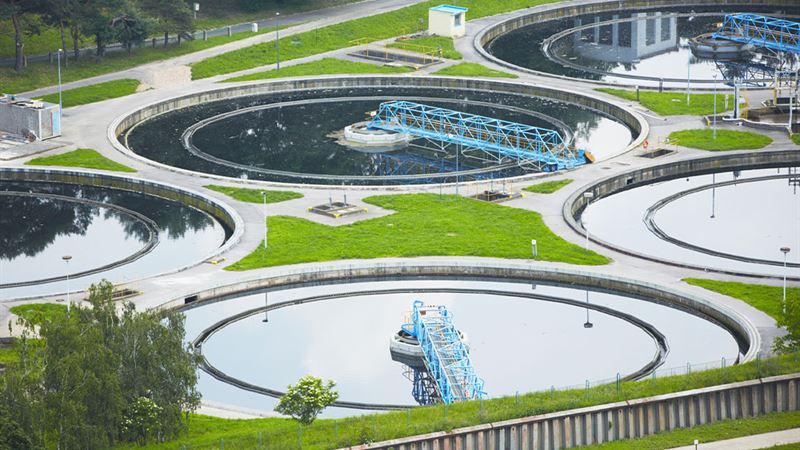
Access to clean and safe drinking water is fundamental for public health and wellbeing, yet many take this resource for granted until it becomes scarce. The water supply system in our country primarily relies on two principal sources: groundwater and surface water. Groundwater is accessed through well systems, while surface water originates from rivers, lakes, and reservoirs. These sources undergo extensive treatment processes before reaching consumers to ensure safety and quality. Understanding the journey of water from its natural sources to your tap highlights the critical infrastructure and technology involved in providing potable water daily.
In urban and suburban areas, municipal water systems draw water from these sources, transport it through expansive pipeline networks called water mains, and treat it to meet safety standards. These large pipes are often buried beneath streets and sidewalks, carrying enormous volumes of water across cities. Smaller pipelines branch off from these mains to deliver water directly into residential, commercial, and industrial buildings. The entire process of water distribution involves complex engineering and management to ensure consistent supply and quality.
Understanding Water Distribution Networks
Knowing where water goes after it leaves your home is essential in comprehending the entire water cycle. Once water is used—whether for drinking, cooking, cleaning, or sanitation—it enters the municipal sewer systems. These networks carry wastewater away from households to specialized treatment facilities. Proper management of wastewater is vital for environmental protection and public health, involving comprehensive treatment protocols to clean the water before safely returning it to natural water bodies or reuse systems.
Water Treatment: Ensuring Safety and Purity
Environmental factors pose significant risks of contamination to both surface water and groundwater sources. Surface waters are often polluted by an array of pollutants including trash, agricultural runoff containing nitrates and pesticides, industrial waste, and urban pollutants. Groundwater can become contaminated through percolation passing through soil and rock layers, where it may pick up heavy metals like arsenic, lead, or other toxins. These contaminants pose serious health threats, necessitating rigorous treatment measures.
Regulatory agencies like the Environmental Protection Agency (EPA) set strict standards for water quality, establishing permissible limits for over 90 different contaminants. The water that reaches consumers must meet or surpass these guidelines, ensuring safety. Therefore, water undergoes multiple treatment stages to eliminate harmful substances, making it safe for everyday use.
Core Processes in Water Treatment
Although specific procedures can differ across cities and regions, several standard methods are universally employed in water treatment facilities. These steps are designed to remove solids, pathogens, and chemical pollutants, ultimately producing clean water suitable for consumption.
Coagulation
The initial stage, coagulation, involves adding chemicals such as aluminum sulfate or ferric chloride to raw water. These chemicals carry a positive electrical charge that neutralizes the negatively charged dirt, organic matter, and other dissolved particles. This neutralization causes these particles to aggregate into larger clumps, known as flocs, which are easier to remove in subsequent steps.
Flocculation
Following coagulation, the water undergoes flocculation. This process is facilitated by gentle mixing that encourages the formation of larger, heavier flocs. Sometimes, additional chemicals—called coagulant aids—are introduced to expedite flocs growth, ensuring efficient removal. The goal is to create sizable clusters of contaminants that can be easily separated later in the treatment process.
Sedimentation
Once the flocs have formed, the water enters sedimentation basins where gravity helps these heavy particles settle at the bottom. This process effectively reduces turbidity and removes a significant portion of suspended solids. The clear water remains at the top, ready for further purification.
Filtration
Filtration is a critical step that removes residual particles, microbes, and chemicals. The water passes through various filters composed of materials like activated charcoal, sand, gravel, or specialized membranes. Activated carbon filters are particularly effective in adsorbing organic compounds, odors, and some chemicals. In advanced facilities, ultrafiltration membranes with microscopic pore sizes are employed, allowing only water molecules and dissolved salts to pass, thereby ensuring high purity levels.
Disinfection: The Final Barrier
Prior to distribution, disinfection eradicates pathogenic microorganisms that could cause disease. Common disinfectants include chlorine, chloramine, or chlorine dioxide, which are carefully dosed to eliminate viruses, bacteria, and parasites without leaving harmful residues. Ultraviolet (UV) light disinfection is also used in some treatment plants as a chemical-free alternative. Additionally, fluoride is added to enhance dental health and help prevent tooth decay, further improving water quality and taste.
These comprehensive treatment steps ensure that the water delivered to your home is safe, clean, and of high quality, meeting all regulatory standards. The entire process involves meticulous monitoring and regulation by specialized operators, using advanced technology to safeguard public health and preserve environmental integrity.
In summary, the modern water supply system is an intricate network of natural sources, sophisticated treatment processes, and extensive distribution infrastructure. Recognizing the efforts and technology involved helps appreciate this vital resource and underscores the importance of conservation and responsible usage. From source to tap, every stage is designed to deliver safe, refreshing water for daily needs, emphasizing the collective responsibility to maintain the sustainability of this essential commodity.