
Top Nursing Schools for Aspiring Healthcare Professionals
Discover the top nursing schools in the United States that combine rigorous academics, innovative research, and extensive clinical training. These institutions prepare aspiring nurses for successful careers in healthcare through comprehensive programs, advanced facilities, and a global network of healthcare partners, ensuring graduates are equipped to make a significant impact in nursing practice, research, and leadership roles.
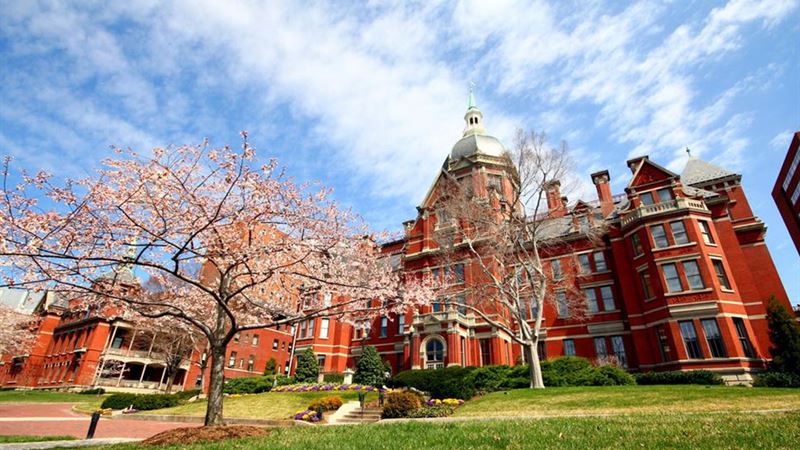
Louisiana State University (LSU) is renowned for its comprehensive nursing programs designed to prepare students for various healthcare roles. The university offers undergraduate (bachelor’s), graduate (master’s), and doctoral-level programs that focus on specialized fields such as adult health nursing, family practice nursing, and advanced nursing science. The curriculum combines theoretical knowledge with practical clinical experiences, ensuring students are well-prepared for professional practice. LSU’s state-of-the-art simulation labs and partnerships with regional healthcare providers provide students with real-world clinical exposure. Graduates of LSU’s nursing programs are highly competitive and often find employment in hospitals, clinics, and community health settings across the country.
The University of Michigan’s School of Nursing is among the top-ranked nursing schools in the United States. It offers a wide array of graduate programs that enable students to specialize in areas such as maternal and child health, neonatal nursing, and geriatric care. The university boasts over 1.2 million square feet dedicated to research space, supporting cutting-edge studies and innovations in nursing science. With an annual research budget exceeding $1 billion, it provides students access to leading experts and resources. The school’s robust alumni network exceeds 12,000 professionals, many of whom hold prominent positions in healthcare organizations nationwide. Graduates of Michigan’s nursing programs are recognized for their clinical expertise, leadership qualities, and commitment to community service.
NYU’s Rory Meyers College of Nursing offers a comprehensive Bachelor of Science in Nursing (BSN) program that graduates approximately 400 students each year. This program emphasizes both foundational knowledge and innovative clinical practices. NYU also provides an extensive selection of graduate nursing programs, including Master’s and Doctoral degrees, catering to students seeking specialization in areas such as public health, leadership, and advanced practice nursing. The college has recently upgraded its facilities on Fifth Avenue, featuring state-of-the-art laboratories and simulation centers to enhance hands-on learning experiences. NYU’s strong research funding from the National Institutes of Health (NIH) ranks it among the top institutions in health sciences research. Graduates are well-prepared to excel in competitive healthcare environments worldwide.
As the only Ivy League university offering a Bachelor of Science in Nursing, the University of Pennsylvania’s School of Nursing combines rigorous academics with clinical excellence. Approximately 150-180 students graduate from the BSN program each year, gaining access to Penn’s extensive hospital network, including several top-tier healthcare institutions in the Philadelphia region. The program emphasizes evidence-based practice, leadership, and innovation in nursing. Students benefit from collaborative research opportunities and internships in renowned medical centers. The dynamic learning environment prepares graduates for diverse roles, including clinical practice, research, and healthcare policy development. Penn’s nursing graduates are highly sought after for their academic excellence and dedication to advancing healthcare.
Johns Hopkins School of Nursing is distinguished by its diverse student body of approximately 1,200 students, balancing full-time and part-time enrollees. The school offers clinical preparation and research opportunities across its various degree programs, including Bachelor’s, Master’s, Doctor of Nursing Practice (DNP), Ph.D., and certificate programs. Around 250-350 students graduate annually from the BSN program, many advancing to leadership roles in academia, clinical practice, and healthcare innovation. The institution’s emphasis on interdisciplinary research, community engagement, and healthcare policy makes it a leader in nursing education worldwide. Johns Hopkins graduates are recognized for their scholarly contributions, clinical excellence, and commitment to health equity across populations.