
Effective Strategies to Prevent Hair Thinning and Loss
Discover proven methods to prevent hair loss naturally, including stress management, nutritional tips, and hair care routines. Learn how a balanced lifestyle and proper hair maintenance can promote healthier, stronger hair. This comprehensive guide offers practical advice suitable for anyone looking to safeguard their hair and encourage growth effectively.
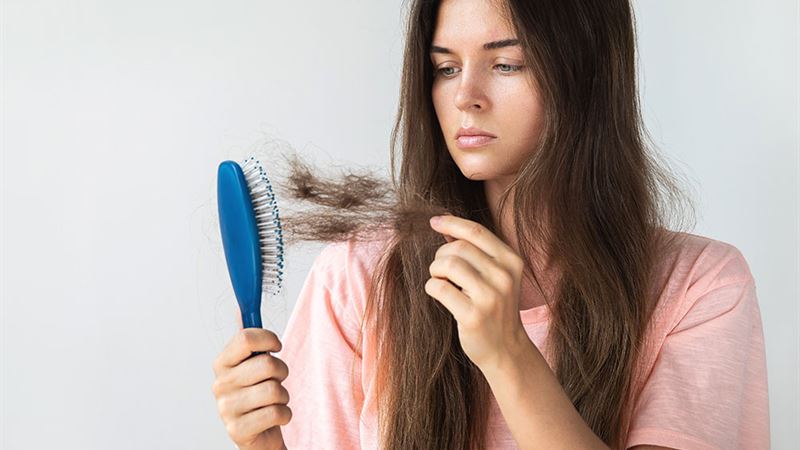
Hair loss can be influenced by a variety of factors, including genetics, lifestyle, diet, and environmental conditions. Among these, stress management and proper hair care routines play crucial roles in maintaining healthy hair and preventing premature thinning. Modern lifestyles often expose individuals to stress and poor nutritional habits, which can lead to hair follicle damage and baldness. Fortunately, there are numerous practical steps that can be taken to safeguard your hair and boost its growth naturally.
One of the primary contributors to hair loss is stress. Excessive stress levels can lead to hormonal imbalances that negatively affect hair follicle health. The stress hormones, especially cortisol, interfere with the normal hair cycle, causing hair to shed prematurely. To mitigate this, adopting stress-relieving activities is essential. Incorporate mindfulness practices such as yoga and meditation into your daily routine. Engaging in regular physical activity, such as jogging, swimming, or cycling, helps release endorphins that improve your mood and reduce stress levels. Additionally, maintaining social connections, pursuing hobbies like reading, art, or music, and setting aside time for relaxation and travel can significantly alleviate mental strain. Staying hydrated and avoiding stimulants like caffeine, nicotine, and excessive alcohol can further help maintain hormonal balance and prevent hair loss caused by lifestyle factors.
Nutrition plays an indispensable role in hair health. A well-balanced diet rich in essential vitamins and minerals provides the building blocks necessary for maintaining strong, healthy hair. Hair follicles are primarily composed of keratin, a tough protein that requires adequate nutrient support. Increasing your intake of protein-rich foods such as eggs, lean meats, fish, nuts, and seeds can significantly support hair growth. Foods like salmon, which are rich in omega-3 fatty acids, also promote scalp health and moisture retention. Foods high in Vitamin A, like carrots, sweet potatoes, and dark leafy greens, stimulate the production of sebum and retinoids—both vital for nourishing hair follicles and encouraging hair regeneration.
Furthermore, vitamins B complex, especially Biotin, plays a vital role in strengthening hair and preventing brittle strands. Incorporate whole grains, dairy products, and lean poultry into your diet, and consider supplements if dietary sources are insufficient. Iron-rich foods such as red meats and spinach are crucial because iron deficiency often correlates with hair thinning. Zinc and selenium are trace minerals that support follicle repair and growth, so include nuts, seeds, and legumes in your meals. Staying hydrated by drinking plenty of water helps maintain scalp moisture and prevent dryness, which can exacerbate hair loss.
Adjusting your hair care routine can also make a significant difference. Avoid harsh shampoos laden with chemicals that can strip your scalp of natural oils. Opt for gentle, sulfate-free shampoos formulated with natural ingredients that cleanse without damaging hair strands. Regular oiling using natural oils like coconut, olive, or argan oil provides a protective barrier against environmental damage and helps maintain scalp health.
Limit the use of styling tools that generate excess heat, such as blow dryers, curling irons, and straighteners, as these can weaken hair structure and cause breakage. Avoid tight hairstyles like cornrows, tight ponytails, and braids, which can exert stress on hair follicles. Chemical treatments like perms, relaxers, and commercial dyes often contain harsh substances that can weaken hair integrity over time. When coloring hair, choose organic, ammonia-free products that are less damaging. Maintaining a natural style aligned with your hair’s texture reduces physical stress on strands and follicles.
In cases of severe hair shedding, supplements can play a supportive role. Nutritional supplements containing biotin, vitamins A, B, C, D, zinc, iron, and selenium can help fill nutritional gaps and stimulate hair growth. Biotin, in particular, has gained popularity for its ability to improve hair strength and elasticity. Before starting any supplement regimen, consult with a healthcare professional. They can recommend personalized dosages based on your specific needs and ensure no adverse interactions occur. However, supplements should be viewed as supplementary; addressing underlying causes such as stress and nutrition remains essential for long-term hair health.
Implementing these strategies comprehensively can help you combat hair loss effectively and promote healthier, fuller hair over time. Consistency in caring for your scalp, maintaining a nutritious diet, managing stress appropriately, and avoiding damaging hair practices are key to preserving your hair’s natural vitality. Remember, patience is vital — hair growth naturally takes time, and adopting these habits can lead to visible improvements in the health and appearance of your hair.