
The Complete Guide to Unlocking Your Smartphone: Everything You Need to Know
Unlocking smartphones offers flexibility, cost savings, and international usability. This comprehensive guide explores policies, costs, and benefits of unlocking devices, empowering consumers to make informed choices and enjoy greater control over their mobile devices.
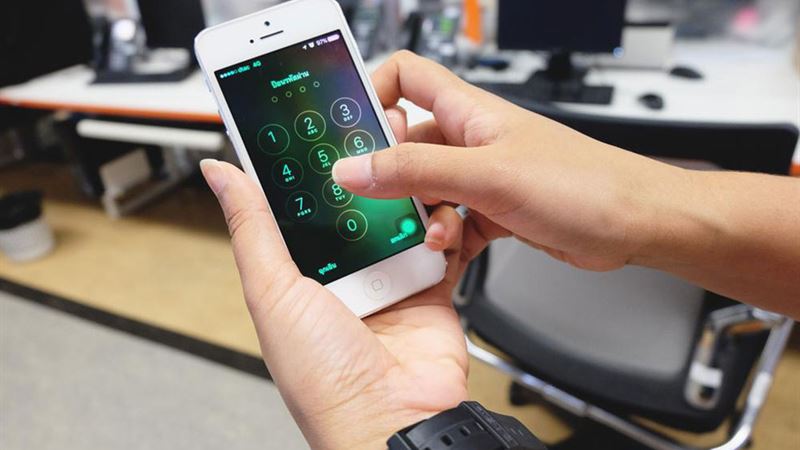
Many modern smartphones are sold unlocked directly from manufacturers like Apple and Google, giving consumers greater flexibility. However, in some cases, carriers lock phones to their networks, limiting their usage to specific providers. This article explores the nuances of unlocking smartphones, the legal and carrier policies involved, and the financial considerations associated with purchase and unlocking options.
Understanding carrier policies is vital. For example, Verizon, a major US carrier, sells some devices factory unlocked, while others require a request to unlock. Carrier unlocking often depends on account status, contract completion, and payment of device installments. AT&T, another leading carrier, provides unlocking options for eligible devices, especially if they have been paid off or are no longer under contract. Additionally, many carriers have specific unlocking procedures that must be followed, which can sometimes be confusing for consumers unfamiliar with these policies.
Why has the unlocking policy evolved over time? The primary reason lies in the market's shift toward unlocked phones. Manufacturers like Apple have adopted the practice of selling devices unlocked from the outset, allowing consumers to choose their carriers freely. Google's Nexus series also pioneered unlocked devices, enabling users to buy directly from retailers without carrier restrictions.
The shift in policies was also driven by regulatory changes. The Digital Millennium Copyright Act (DMCA) had restrictions that limited phone unlocking to certain conditions, but recent rule modifications now permit individuals to unlock their devices legally and without restrictions. This legal framework aims to empower consumers and promote competition in the mobile industry, fostering better pricing and more flexible service options.
Cost considerations play a significant role in unlocking decisions. Contract phones sold through major carriers tend to have inflated prices hidden within monthly bills, which can be financially draining over time. In contrast, unlocked phones are often more affordable upfront and can be used with a variety of plans, including Mobile Virtual Network Operator (MVNO) services that typically offer lower rates.
For instance, in the US, T-Mobile broke new ground by eliminating multi-year contracts, enabling customers to purchase unsubsidized, unlocked devices outright. This move allows consumers to shop for devices at their own pace and switch carriers without additional costs or restrictions. Furthermore, unlocked phones provide the flexibility to travel internationally, as they are compatible with different carriers worldwide, avoiding costly roaming charges.
Are you considering unlocking your phone? Here's what you need to know before proceeding:
- Check your carrier's unlocking policy and eligibility criteria.
- Ensure your device is fully paid off and not under any contractual obligations.
- Follow the official unlocking request process to avoid scams and ensure device compatibility.
- Understand that unlocking may void some warranties or carrier restrictions.
In conclusion, unlocking your smartphone can offer greater freedom, cost savings, and international usability. Recent regulatory changes and market trends have made it easier than ever for consumers to unlock their devices legally and affordably. By understanding the policies, costs, and process involved, you can make an informed decision that best suits your needs and enhances your mobile experience.