
Understanding Student Loan Repayments and Financial Aid Options from FAFSA
Learn about the differences between student and parent loans, how to interpret FAFSA award letters, and strategies to manage repayment efforts effectively. Understand your financial aid options to make informed decisions about funding your education and minimizing debt after graduation.
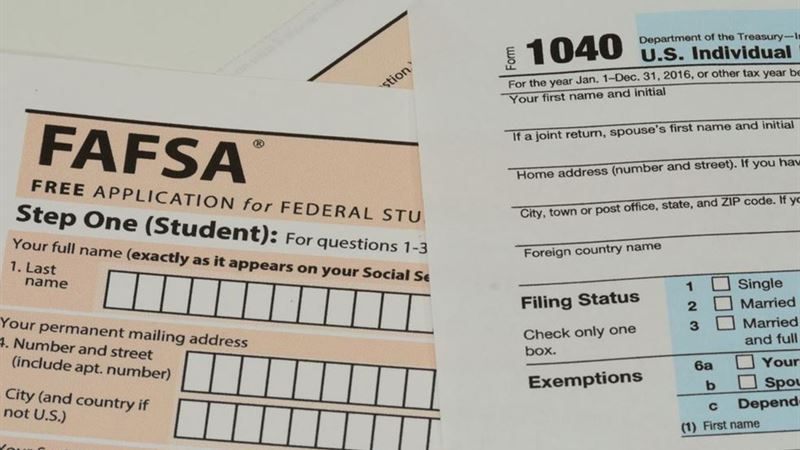
Navigating the world of student financial aid can be complex, especially when it comes to understanding the different types of loans and repayment obligations. There are primarily two categories of loans associated with higher education funding: student loans and parent loans. While both types require repayment with interest, they differ significantly in terms of the timing and conditions of repayment, as well as the borrowers' responsibilities. Grasping these differences is crucial for students and parents alike to make informed financial decisions that align with their long-term goals.
Student loans are provided directly to the student, often under more favorable terms, especially in comparison to parent loans. One of the key advantages of student loans is that the government typically ensures that the lending conditions are as borrower-friendly as possible. For instance, interest on federal student loans generally accrues only after the student leaves college, giving students a grace period during which they can focus on their studies without the immediate pressure of repayment. This grace period usually lasts for six months post-graduation, allowing graduates ample time to find employment and establish their financial footing before beginning repayment.
In contrast, parent loans, often referred to as PLUS loans, require repayment to start soon after the loan is disbursed. These loans are usually taken out by parents to finance their child's education costs, and the repayment schedule begins a few months after the funds are credited to the student's account. Moreover, interest begins accumulating from the moment the loan funds are disbursed, adding to the total amount due over time. This means that parent loans can sometimes become a financial burden for families, especially if the loans are significant in size or if repayment terms are unfavorable.
Once students submit their Free Application for Federal Student Aid (FAFSA), they receive a Student Aid Report (SAR) that summarizes their eligibility for various financial aid programs. This SAR is also sent to the educational institutions they listed on their FAFSA application. Based on this information, each school prepares a comprehensive financial aid package—a document often called an award letter—that details the types and amounts of aid available to the student. This package typically includes grants, scholarships, work-study opportunities, and loans.
It's important to understand that receiving an award letter doesn't obligate you to accept all offered funds. Students have the flexibility to accept or decline specific portions of their financial aid package, especially loans. This allows for strategic decision-making: students can minimize debt by accepting only grants and scholarships, or choose loans if additional funding is necessary for their educational expenses. Making informed choices about which funds to accept can significantly influence a student's future financial stability.
Additionally, understanding the terms associated with each type of loan is essential. Federal student loans, for example, often come with fixed interest rates, income-driven repayment options, and loan forgiveness programs that are not available with private loans. Conversely, private loans may have variable interest rates and less borrower protections, making federal loans generally a more advantageous choice for most students. Consulting financial aid advisors and carefully reviewing loan terms can help students avoid unexpected repayment difficulties later on.
In summary, it's vital for students and their families to comprehend the distinctions between student and parent loans, the timeline for repayment, and how financial aid packages are structured. Being proactive in managing loans and understanding repayment obligations can help individuals avoid financial strain and get the most out of their educational investments. Preparing early, investigating all available options, and making strategic decisions regarding aid acceptance can pave the way for a more secure financial future after graduation.