
Comprehensive Child Safety Measures for Vehicle Protection
Discover essential tips for childproofing your vehicle, from removing hazards to activating safety locks. Implementing these measures can greatly enhance your child's safety on the road, ensuring peace of mind for parents and caregivers. Regular checks and proper installation of safety devices are vital in preventing accidents and injuries during car journeys.
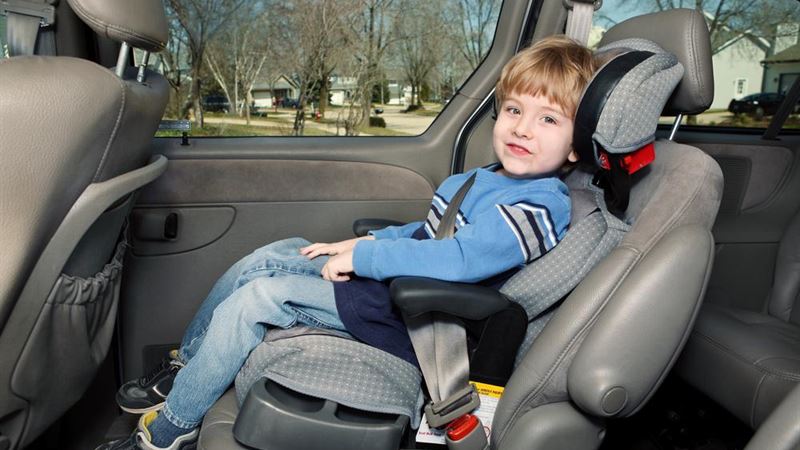
Ensuring the safety of young passengers is a top priority for every parent and caregiver. Vehicles can pose numerous hazards to children, especially in the confined space like the back seat. Implementing proper childproofing strategies can significantly reduce the risk of injuries and accidents. From thorough cleaning to utilizing safety features, each step plays a crucial role in creating a secure environment for children during car journeys.
1. Maintain a clutter-free vehicle environment
Keeping your vehicle clean and organized is essential. Remove any loose debris, plastic wrappers, crumbs, and small objects from the back seat area. Small items like loose lighters, pens, or cleaning liquids can accidentally get into a child's mouth or cause choking hazards. Regularly cleaning and inspecting the back seat area helps prevent potential accidents and hazards.
2. Properly secure your child in the car seat
Ensuring your child's safety begins with correct car seat installation. Position the car seat on the back seat, and thread the seat belt through the designated slots. Tighten the belt so that the seat is snug and doesn’t move excessively. The harness straps should fit securely over the child's shoulders, with no slack. Proper installation ensures that in the event of a sudden stop or collision, the child is well protected.
3. Activation of child safety locks
Children are naturally curious, and their small hands might attempt to open car doors during travel. To prevent accidental door openings, activate the child safety locks on rear doors. These locks effectively prevent children from opening doors while the vehicle is in motion, reducing the risk of falling or unintended exits during a ride.
4. Never leave children unattended in vehicles
Leaving children alone in parked vehicles, even for short periods, can be extremely dangerous. Vehicles can quickly heat up or cool down, leading to heatstroke or hypothermia. Additionally, children might accidentally activate controls or open doors, leading to injury. Always ensure supervision or leave children in a safe environment when not in the vehicle.
5. Additional safety tips for vehicle childproofing
- Use window locks to prevent children from opening windows.
- Keep the vehicle doors locked when not in use.
- Store hazards out of children’s reach, including sharp objects and chemicals.
- Regularly check seat belts and harnesses for wear and proper functioning.
- Educate children about safety rules during car rides.
Implementing these child safety measures in your vehicle can be life-saving. Regularly reviewing and maintaining safety features not only protects your children but also provides peace of mind during every journey. Prioritize safety by keeping your vehicle environment secure and adapting safety practices as your child grows. Remember, prevention is always better than responding to a preventable accident.