
Effective Topical Treatments for Managing Rosacea: The Best Creams to Consider in 2024
Discover effective strategies and top creams for managing rosacea in 2024. Learn how moisturizers, sunscreens, and lifestyle changes play vital roles in controlling redness, inflammation, and flare-ups. Explore dermatologist-approved treatments and the best topical products designed for sensitive and rosacea-prone skin. This comprehensive guide offers practical advice to improve skin health and confidence. Whether you’re new to rosacea or seeking ongoing relief, find out how to develop a personalized skincare routine that delivers lasting results and enhances skin comfort daily.
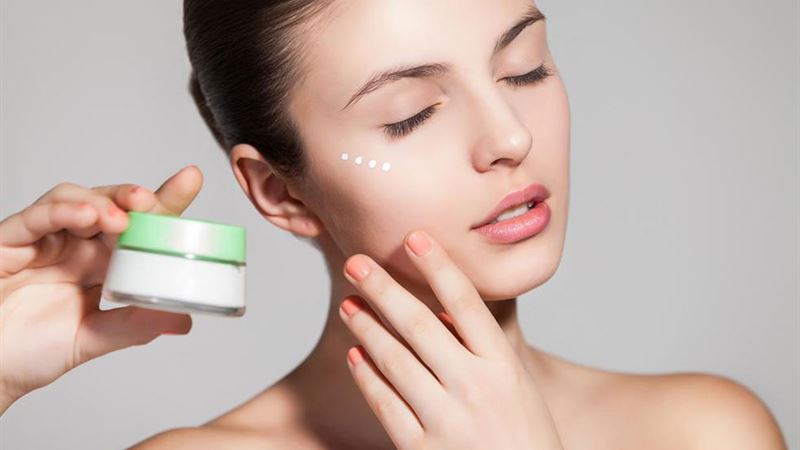
The Role of Moisturizers in Rosacea Care
Many individuals with rosacea avoid cream-based products, fearing they might aggravate irritation. However, moisturizing is a cornerstone of rosacea management. Adequate hydration helps to restore and maintain the skin barrier, shielding it from environmental irritants and mechanical stress that could provoke flare-ups. The best moisturizers for rosacea contain gentle, non-irritating ingredients that soothe the skin while providing a protective layer.
Choosing a moisturizer that is specifically formulated for sensitive and redness-prone skin can make a significant difference. Look for products free of fragrances, alcohols, and harsh preservatives. Ingredients such as ceramides, glycerin, and hyaluronic acid help reinforce the skin's natural barrier and retain moisture, reducing redness and sensitivity over time.
Protect Your Skin with Sunscreen
While the exact cause of rosacea remains unknown, research indicates that UV exposure plays a significant role in exacerbating symptoms. Sun damage can weaken the skin's defenses, making it more susceptible to inflammation. Daily application of broad-spectrum sunscreen with at least SPF 30 is essential for anyone with rosacea. Opt for mineral sunscreens containing zinc oxide or titanium dioxide, as they are less likely to irritate sensitive skin.
Consistent sun protection not only prevents flare-ups but also aids in overall skin health. Make sunscreen application a daily habit, even on cloudy days, and reapply every two hours during prolonged outdoor activities.
Identifying Personal Rosacea Triggers
Since rosacea manifests differently in each individual, understanding personal triggers is crucial. Common triggers include emotional stress, spicy foods, alcohol, hot beverages, extreme temperatures, wind, and certain skincare ingredients. For some, physical activities like vigorous exercise can worsen symptoms, while others may find that exposure to heat or sun causes outbreaks.
Maintaining a symptom diary can help identify specific triggers. Once recognized, avoiding these factors can significantly reduce flare-ups and improve quality of life. Incorporate trigger-awareness into your daily routine and adjust lifestyle habits accordingly.
Consult a Dermatologist for Personalized Treatment
While some individuals manage mild rosacea with over-the-counter products and lifestyle changes, others require professional intervention. A dermatologist can assess your skin condition thoroughly and recommend a tailored treatment plan. This plan may include prescription medications, topical creams, or laser therapies aimed at reducing redness, visible blood vessels, and inflammatory lesions.
Laser treatments, in particular, have shown promising results in diminishing persistent redness and broken capillaries. Regular dermatologist visits ensure you receive the most effective treatment options and ongoing support for managing your rosacea.
Top Cosmetic Creams for Rosacea Relief in 2024
- La Roche-Posay Toleriane Soothing Protective Cream
Known for its calming and hydrating properties, this lightweight moisturizer is ideal for sensitive, rosacea-prone skin. It forms a protective barrier that shields against environmental irritants, reduces redness, and maintains optimal hydration levels. Its gentle formulation ensures absorption without leaving oily residues, making it suitable for daily use both morning and night. Regular application can help alleviate inflammation and keep skin looking healthy. - Avène Antirougeurs Fort Relief Concentrate
This specialized cream targets redness and visible blood vessels effectively. It contains Ruscus extract, which enhances microcirculation, and thermal spring water, renowned for its soothing properties. Shea butter adds a moisturizing and softening effect, while its hypoallergenic and non-comedogenic nature makes it safe for sensitive skin. Consistent use diminishes skin irritation, calms heat sensations, and fortifies the skin's resilience against flare-ups. - Willowherb Moisturizer with Vitamin K
Combining natural anti-inflammatory agents with vitamin K, this moisturizer helps to reduce redness and improve overall skin health. Aloe vera and olive oil nourish and hydrate while mitigating irritation. The anti-inflammatory actions of vitamin K also help in addressing broken capillaries and inflamed lesions, making it a popular choice for long-term rosacea control. - SkinMedica Redness Relief CalmPlex
Targeting weakened blood vessels, this cream enhances vascular stability and reduces inflammation. It boasts niacinamide (vitamin B3), which accelerates skin repair and reduces redness, along with jojoba oil to hydrate and soothe skin. Its formulation is especially suitable for sensitive skin prone to persistent redness, supporting both symptom relief and comfort. - Pevonia Botanica RS2 Care Cream
Crafted with a blend of hazelnut oil, licorice, and green tea extracts, this multifunctional product aims to restore skin vitality while calming irritation. It nourishes the skin deeply, curtails harsh effects of rosacea, and promotes a balanced complexion. Regular use can significantly decrease inflammation, offering a comprehensive approach to rosacea management.
When combined with suitable medications and lifestyle adjustments, these topical creams can provide substantial relief, helping those with rosacea lead more comfortable, flare-free lives.