
Effective Dietary Strategies to Alleviate Symptoms of Stomach Cancer
Discover comprehensive dietary strategies to reduce stomach cancer symptoms. Learn about beneficial foods like omega-3 fatty acids, fresh juices, and green tea, alongside tips on meal frequency and avoiding harmful substances. Personalized nutrition can enhance immune health and ease digestion, supporting your journey towards better health and comfort during treatment.
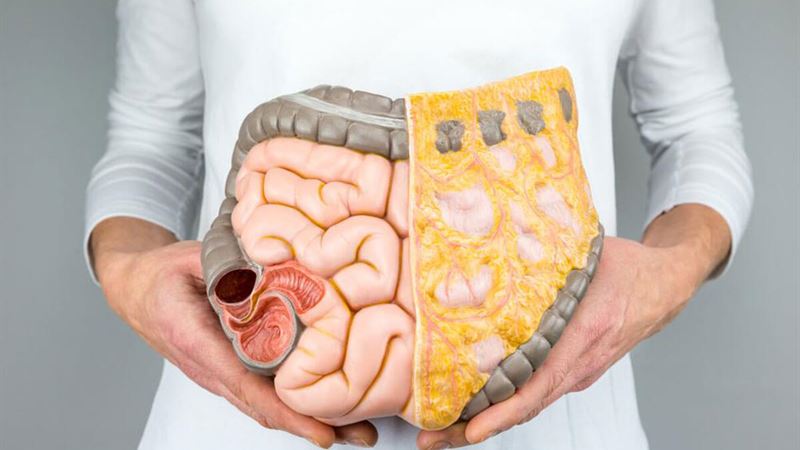
Maintaining a nutritious diet plays a critical role in managing overall health, especially for individuals battling stomach cancer. Nutrition can influence the progression of the disease, control symptoms, and improve quality of life. While no specific diet can prevent or cure stomach cancer outright, adopting mindful eating habits can help reduce discomfort and support treatment efforts. Educating yourself about foods that foster health and those that may exacerbate symptoms is essential for effective disease management. An individualized dietary plan, tailored to your specific needs, can make a significant difference in your day-to-day well-being.
Understanding how dietary choices impact stomach cancer is vital. The right foods can potentially inhibit cancer cell growth, improve immune function, and help your body handle the side effects of treatment. Conversely, certain foods may trigger inflammation, cause digestive issues, or interact negatively with medications. Therefore, working closely with healthcare professionals to develop a personalized nutrition plan is recommended. This article offers comprehensive guidance on diet modifications that can aid in alleviating symptoms associated with stomach cancer, emphasizing a holistic approach to health and recovery.
Here, you will find expanded strategies on dietary adjustments, including incorporating beneficial nutrients, avoiding harmful foods, and practical tips to support your journey through treatment and recovery. Remember, each patient's response to dietary changes can vary, so patience and consistent monitoring of your symptoms are key. Consulting your healthcare team before making significant alterations to your diet is essential to ensure safety and effectiveness. These nutritional tips aim to empower you with knowledge and actionable steps to enhance your comfort, boost your immune defenses, and improve your overall quality of life during this challenging time.
- Increase intake of omega-3 fatty acids for anti-inflammatory benefits: Integrating omega-3 rich foods into your diet can be instrumental in combating stomach cancer symptoms. These healthy fats possess anti-inflammatory properties that may help inhibit the proliferation of cancer cells within the stomach lining. Consuming sufficient omega-3s also supports immune health, which is crucial during cancer treatment. Excellent sources include fatty cold-water fish such as salmon, mackerel, and tuna. Plant-based options like flaxseeds, chia seeds, walnuts, and soybeans are also beneficial. Incorporating these into your diet regularly can make a substantial difference in managing symptoms and supporting overall health.
- Consume fresh fruit and vegetable juices to boost antioxidants: Freshly prepared fruit and vegetable juices are a powerhouse of vitamin C and antioxidants that can aid in reducing oxidative stress and cleansing harmful toxins from the body. These nutrients are particularly beneficial for stomach cancer patients, as they enhance immune response and promote healing. When choosing juices, prioritize homemade preparations without added sugars or preservatives, which are often found in commercial bottles. Fresh juices can help improve digestion, maintain hydration, and support overall vitality. Including a variety of colorful fruits and vegetables such as berries, oranges, carrots, and leafy greens in your juices provides diverse health benefits.
- Switch to green tea for its cancer-fighting properties: Green tea contains high concentrations of catechins and polyphenols, powerful antioxidants that have been studied for their ability to inhibit cancer cell growth. Regular consumption of green tea may slow the progression of stomach cancer and reduce associated symptoms. Replacing your usual coffee or black tea with green tea offers additional health benefits, including improved metabolism and cardiovascular health. Drinking several cups daily, preferably without added sugar, can be a natural way to support your body's defenses and promote healing during treatment.
- Adopt smaller, more frequent meals to ease digestion: Post-surgical or ongoing treatment, some patients experience difficulties with eating large meals, leading to digestive discomfort and nutrient deficiencies. Eating smaller portions multiple times a day can help prevent symptoms like bloating, nausea, and dumping syndrome—a condition where food moves too quickly into the small intestine. It is also recommended to consume fluids between meals rather than during, to avoid overloading your stomach and maintain optimal hydration. Focus on nutrient-dense, easily digestible foods, and avoid processed, sugary, and carbonated drinks to minimize symptoms and support recovery.
Beyond specific dietary choices, it is crucial to eliminate alcohol, tobacco, and processed foods from your lifestyle, as these can worsen symptoms and impair your immune system. Emphasize a colorful, plant-based diet rich in fruits and vegetables to provide essential vitamins, minerals, and antioxidants. These nutrients are vital for immune strength, tissue repair, and overall health during cancer treatment. Regular check-ins with your healthcare team, along with ongoing nutritional monitoring, can help tailor your diet to your evolving needs. Embracing healthy eating habits not only alleviates stomach cancer symptoms but also enhances your overall well-being, resilience, and quality of life.