
Effective Strategies to Manage and Reduce Scalp Psoriasis Discomfort
Learn comprehensive strategies to effectively manage scalp psoriasis, including natural remedies, gentle hair care routines, dietary tips, and stress management. This in-depth guide offers practical advice to reduce flare-ups, soothe symptoms, and maintain healthier scalp skin and hair. Achieve better scalp health through mindful care and lifestyle changes tailored for psoriasis sufferers, improving comfort and confidence over time.
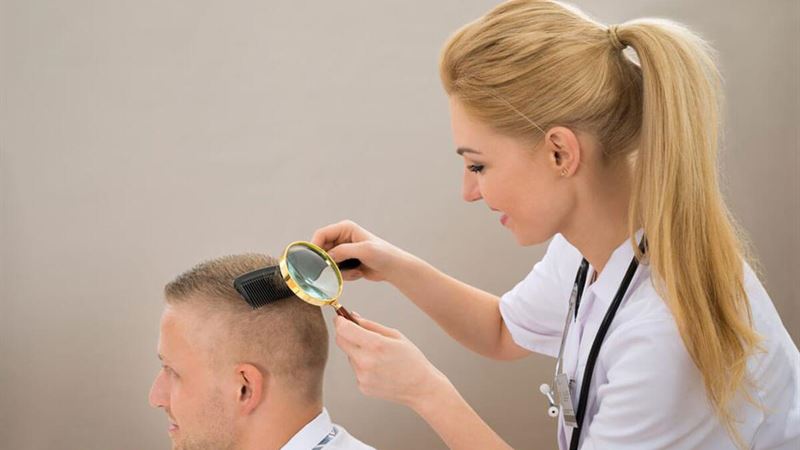
Dealing with scalp psoriasis can be a relentless challenge that affects your daily life. While not a life-threatening condition, it can significantly impact your confidence, mental health, and social interactions due to its uncomfortable symptoms and visible appearance. The condition often manifests as itchy, inflamed, and flaky patches that can cause embarrassment and discomfort, along with potential bleeding if the scales are scratched or picked. Luckily, there are various treatment options available, including prescription medications and over-the-counter remedies. Moreover, making specific lifestyle changes can greatly complement your treatment plan. This comprehensive guide explores proven tips and strategies to alleviate scalp psoriasis symptoms, decrease flare-ups, and maintain healthier scalp and hair.
- Avoid Harsh Anti-Dandruff Shampoos
Many individuals with scalp psoriasis are advised to use medicated shampoos that contain active ingredients like salicylic acid or coal tar. While these can be effective for some, it’s essential to understand how they work. Salicylic acid, for example, is known to peel away the thick, scaly patches by chemically exfoliating the skin. However, it can sometimes strip away natural oils that are vital for maintaining scalp moisture. Excessive use of such shampoos may lead to dryness and irritation, making symptoms worse. Surfactants in these formulations are designed to clean oils from your scalp, but in psoriasis-prone skin, maintaining moisture is crucial. Therefore, it is wise to limit the frequency of these shampoos and consult with your dermatologist for alternative gentle options. Opt for mild, moisturizing shampoos that do not dry out the scalp or aggravate irritation.
- Embrace Natural Remedies for Relief
The importance of moisturizing the scalp cannot be overstated when managing psoriasis. Switching from conventional medicated shampoos to natural remedies can help reduce symptoms and improve overall scalp health. Aloe vera, renowned for its anti-inflammatory and soothing properties, can be applied directly from the leaf or as a gel to calm inflammation, reduce flakiness, and promote healing. Similarly, coconut oil is an excellent natural moisturizer; it penetrates deep into the skin, reducing scaling, redness, and itchiness. Regularly massaging coconut oil onto your scalp can help maintain hydration, lessen flare-ups, and foster healthier hair growth. Incorporate these natural treatments into your routine, being mindful of the frequency—less washing often benefits psoriasis-prone scalps. Over time, you may notice reduced scaling, less discomfort, and improved scalp condition with consistent use of these remedies.
- Practice Gentle Shampooing Techniques
Despite the instinct to vigorously scrub or rub your scalp when dealing with flakes, aggressive cleansing can exacerbate psoriasis symptoms. Vigorous scratching or rubbing disrupts the skin’s barrier, leading to increased inflammation, bleeding, and possible infection. Instead, apply shampoo gently, using your fingertips to massage lightly rather than harsh scrubbing motions. Be extra cautious around sensitive patches and avoid using fingernails, which can cause micro-tears and worsen inflammation. Gentle handling not only minimizes trauma but also helps preserve the scalp’s natural oils, contributing to a healthier environment that discourages excessive scaling and dryness.
- Use Scalp-Softeners and Exfoliants
For thick, stubborn scales, dermatologists often recommend the use of scalp-softening solutions or keratolytic agents. These products contain ingredients that can loosen and soften the tough, scaly patches, making removal safer and less painful. Applying a scale softener as directed helps facilitate the gentle removal of scales while reducing the risk of scalp injury or hair loss. Remember, physically scraping or picking at scales is discouraged because it can aggravate inflammation, cause bleeding, and extend healing time. When using softening solutions, proceed with care and follow your dermatologist’s instructions closely to achieve optimal results without damaging your scalp.
- Incorporate Healthy Dietary Fats and Fish Oils
Nutrition plays an instrumental role in skin health, including the management of psoriasis. Increasing your intake of healthy fats, particularly omega-3 fatty acids found in fish like salmon, mackerel, and sardines, can help mitigate inflammation associated with psoriasis. These essential fats have natural anti-inflammatory properties, helping reduce redness, swelling, and itchiness on the scalp. Incorporate sources of omega-3s into your daily diet through fatty fish, nuts, flaxseeds, or fish oil supplements—always consult your healthcare provider before starting supplements. Additionally, including a variety of healthy oils such as olive oil and avocado oil can support overall skin health and scalp hydration, leading to fewer flare-ups and more resilient skin.
- Manage Stress to Reduce Flare-Ups
Chronic stress is a known trigger for psoriasis flare-ups. The psychological toll of living with a visible skin condition can be draining, but it's important to adopt stress-reducing strategies. Engage in activities that relax your mind and body, such as yoga, meditation, deep breathing exercises, or hobbies that bring you joy. Maintaining a healthy work-life balance and seeking support from friends, family, or mental health professionals can also help mitigate stress levels. Managing stress effectively can have a positive impact on your skin, decreasing the frequency and severity of psoriasis flare-ups, and encouraging healthier scalp and hair.
In conclusion, managing scalp psoriasis requires a multifaceted approach that combines medical treatment, natural remedies, gentle handling, and lifestyle modifications. By making mindful choices regarding hair care products, incorporating soothing natural treatments, and adopting healthy dietary and stress-management practices, you can significantly improve your scalp condition and restore confidence in your appearance. Remember, consistency is key, and always consult a dermatologist for personalized advice tailored to your specific needs. With patience and proper care, you can effectively control scalp psoriasis and enjoy a healthier, more comfortable scalp and hair.