
Comprehensive Guide to Managing Ragweed Allergy: Effective Treatments and Prevention Strategies
Discover comprehensive strategies to effectively manage ragweed allergy, including medical treatments, environmental controls, and lifestyle tips. Learn about allergy testing, immunotherapy options, and practical steps to minimize pollen exposure, helping you enjoy allergy-free seasons and improve your daily comfort and health.
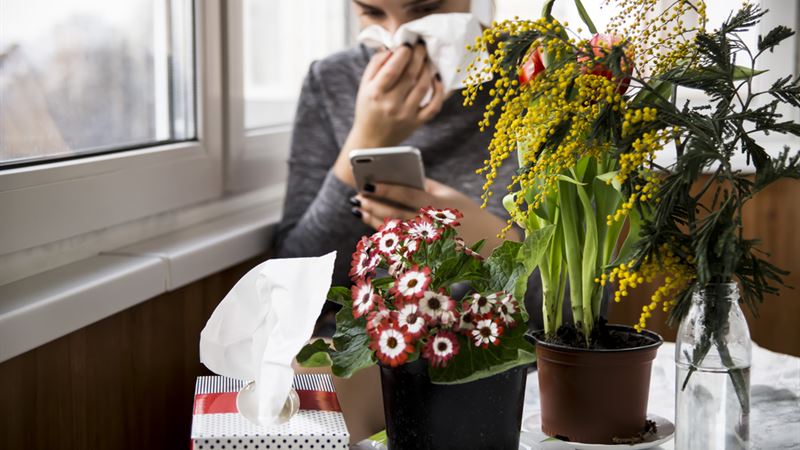
Ragweed allergy, a common seasonal allergy, affects millions globally, leading to discomfort during spring and summer. Understanding how to effectively manage and treat ragweed allergy is essential for improving quality of life. This extensive guide delves into various treatment options, preventive measures, and lifestyle adjustments that can help alleviate symptoms and reduce exposure to ragweed pollen.
Identifying the allergen responsible for your symptoms is the crucial first step. Once confirmed, you can explore a range of medical and lifestyle strategies tailored to your needs. From medications and immunotherapy to lifestyle modifications, this comprehensive approach aims to provide relief and control over your allergic reactions.
Understanding Ragweed and Its Impact
Ragweed plants produce vast amounts of pollen that are carried by the wind, affecting people sensitive to airborne allergens. Symptoms often include sneezing, nasal congestion, itchy eyes, and throat irritation. During peak seasons, these symptoms can significantly impair daily activities and overall well-being.
Effective Treatment Options for Ragweed Allergy
Managing ragweed allergy involves a combination of medical treatments, environmental controls, and lifestyle adjustments. Here are the most effective strategies:
- Allergen Identification and Avoidance
Accurate diagnosis by an allergist is vital. Skin prick tests or blood tests can confirm ragweed sensitivity. Post-diagnosis, minimizing exposure by staying indoors during high pollen days, keeping windows closed, and using air purifiers can significantly reduce symptoms. - Pharmacological Interventions
Medications play a crucial role in symptom relief. Common options include antihistamines that block allergic responses, nasal corticosteroids to reduce inflammation, decongestants, and eye drops for ocular symptoms. Starting medication a couple of weeks before peak pollen seasons can prevent symptom escalation. - Immunotherapy
For long-term relief, immunotherapy is considered. This includes allergy shots (subcutaneous immunotherapy) and sublingual tablets or drops. These treatments aim to desensitize the immune system to ragweed pollen over time, gradually reducing allergy severity. Typically, allergy shots are administered weekly or bi-weekly for several months, then monthly, over multiple years. Sublingual immunotherapy involves daily tablets taken under the tongue, often starting about three months before the pollen season to maximize effectiveness. - Emergency Measures
Severe allergic reactions require immediate intervention. Carrying an epinephrine auto-injector is essential for individuals at risk of anaphylaxis. Quick administration of epinephrine can reverse severe symptoms and save lives until emergency medical help is available.
Seasonal and Environmental Strategies
Preventive measures are equally critical in managing ragweed allergy. Here are practical tips to minimize exposure:
- Monitor local pollen counts regularly via weather reports or allergy apps. Ragweed pollen peaks during morning hours; awareness helps plan outdoor activities accordingly.
- Keep windows and doors tightly closed, especially during high pollen seasons to prevent pollen ingress.
- Use high-efficiency particulate air (HEPA) filters in your home and air conditioning system to trap airborne allergens.
- Wear sunglasses and a wide-brimmed hat outdoors to reduce pollen contact with your eyes and skin.
- Change clothes after outdoor exposure and take a shower before bed to wash off pollen particles.
- Place a damp cloth over your nose and mouth when stepping outside during peak pollen hours.
Lifestyle and Home Management
Home environment adjustments can greatly diminish allergen levels, including:
- Vacuum carpets, upholstery, and curtains regularly using HEPA filters.
- Avoid hanging laundry outside during pollen season; opt for indoor drying.
- Limit exposure to other potential allergens such as mold and pet dander, which can aggravate allergy symptoms.
- Maintain general cleanliness to prevent dust accumulation, which can compound allergy issues.
When to Seek Medical Help
If symptoms persist despite environmental control and medication, or if you experience severe reactions such as difficulty breathing, swollen lips or throat, or dizziness, seek medical attention promptly. A healthcare professional can reassess your condition and may recommend advanced treatments or adjustments to your management plan.
Conclusion
Effective management of ragweed allergy involves a multifaceted approach combining allergy diagnosis, medication, immunotherapy, environmental control, and lifestyle modifications. Early intervention and consistent preventive practices can significantly reduce symptoms and improve your overall quality of life. Consult an allergy specialist for personalized treatment options and guidance on effective symptom management during pollen seasons.