
Effective Strategies for Relieving Constipation Naturally
This detailed guide provides natural, dietary, and lifestyle strategies for effectively preventing and relieving constipation. It emphasizes the importance of fiber-rich foods, hydration, regular exercise, and proper bathroom habits. When necessary, safe use of supplements and medical interventions is also discussed, ensuring a comprehensive approach to maintaining a healthy digestive system and avoiding chronic constipation. Adopting these practices can enhance overall well-being and promote a healthier life free from digestive discomfort.
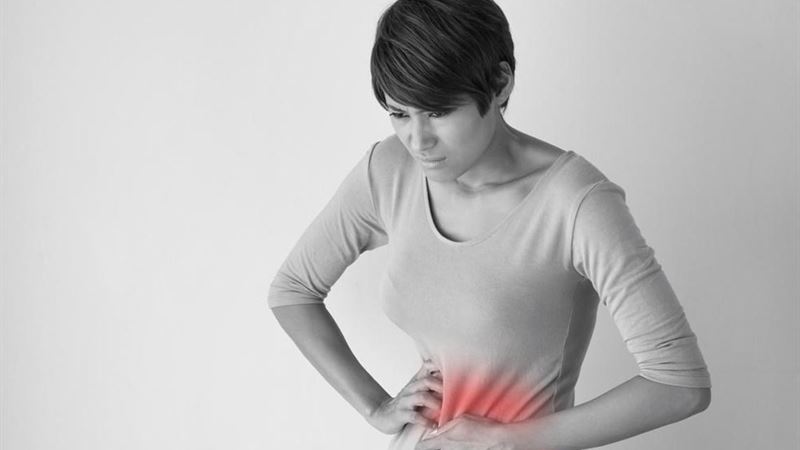
Constipation occurs when bowel movements become infrequent, difficult, or painful. It often results from a combination of factors such as low fiber intake, dehydration, physical inactivity, and certain medical conditions or medications. Recognizing these causes is essential for developing an effective treatment plan aimed at restoring regularity.
One of the most effective ways to combat constipation is by making intentional modifications to your diet. The primary focus should be on increasing fiber intake, consuming adequate fluids, and choosing foods that support healthy digestion.
- Incorporate Fiber-Rich Foods: Consuming foods high in dietary fiber adds bulk to your stool, making it softer and easier to pass. Aim for a daily fiber intake of 20 to 35 grams, gradually increasing to prevent bloating or gas.
- Whole Grains and Cereals: Incorporate whole wheat bread, brown rice, oats, and bran cereals into your meals. These foods are naturally high in fiber and promote healthy bowel movements.
- Fruits and Vegetables: Include a variety of fresh produce like apples, bananas, pears, berries, carrots, broccoli, and leafy greens. Fruits with high water content such as watermelon, oranges, and strawberries also support hydration and digestion.
- Dried Fruits: Apricots, prunes, raisins, and figs are known natural laxatives due to their sorbitol and fiber content, which stimulate bowel activity.
- Legumes and Beans: Lentils, chickpeas, and kidney beans are excellent sources of fiber that can help regulate bowel movements.
Besides focusing on fiber, hydration plays a crucial role. Drinking plenty of water throughout the day softens stools and promotes natural peristalsis. Experts recommend at least 8 glasses of water daily, but individual needs may vary depending on activity level and climate.
Physical activity is essential in maintaining a healthy digestive system. Regular movement helps stimulate intestinal contractions and reduces the risk of constipation. Even simple activities like brisk walking, cycling, or yoga can significantly improve bowel function.
- Start with short, gentle workouts: Engage in 15-20 minute daily walks, gradually increasing duration and intensity over time.
- Establish a routine: Try to schedule bowel movements at the same time each day, preferably after meals, to train your bowel for regular activity.
- Don’t ignore the urge: Respond promptly to the natural urge to defecate instead of delaying, which can lead to stool retention and worsening constipation.
Activity also helps reduce stress, which can negatively impact gut motility. Maintaining a relaxed state during bathroom visits is equally important.
There are certain foods that may contribute to or worsen constipation, and minimizing their consumption can be beneficial in managing your symptoms:
- Low-fiber processed foods
- High-fat fried items and fast foods
- Cheese and other dairy products in excess
- Sweets and sugary snacks
- Red meats and processed meats
- Caffeine and alcohol, which can cause dehydration
Sticking to a balanced diet rich in fiber and fluids is key for preventing constipation and maintaining digestive comfort.
Implementing the following habits can help establish a consistent and healthy bowel routine:
- Gentle Exercise: Engage in daily light activities like brisk walking or stretching to promote gut motility.
- Hydration: Consume adequate fluids—water, herbal teas, and natural fruit juices—while avoiding caffeinated or alcoholic beverages that dehydrate the body.
- Mindful Eating: Eat slowly, chew thoroughly, and avoid overeating, which can stress the digestive system.
- Fiber-Rich Breakfasts: Start the day with high-fiber cereals, oatmeal, or bran muffins to kickstart bowel activity.
- Consistent Schedule: Allocate time each day to use the toilet in a stress-free environment, ideally after meals when the gastrocolic reflex is strongest.
- Proper Bathroom Positioning: Support your feet on a small stool to mimic a squat position, which improves alignment and facilitates easier passage of stool.
If lifestyle and dietary changes do not resolve constipation after consistent implementation, it might be necessary to explore medical options or supplements under healthcare guidance. These include:
- Fiber Supplements: Products such as psyllium (Metamucil), methylcellulose (Citrucel), or inulin can be added to your diet to increase fiber intake without altering food choices significantly.
- Prescribed Laxatives: Use should be reserved for short-term relief and under medical supervision to avoid dependency. Types include:
- Bulk-forming Laxatives: These absorb water and increase stool bulk, easing defecation. Safe for regular use but require adequate water intake.
- Osmotic Laxatives: Such as polyethylene glycol (MiraLAX) or lactulose, these pull water into the intestines, softening stool.
- Stimulant Laxatives: Like senna or bisacodyl, stimulate bowel contractions but should be used sparingly to prevent dependence and bowel atony.
- Stool Softeners: Including docusate (Colace), they help moisten stool, making it easier to pass, especially after surgery or childbirth.
In some cases, medical procedures like enemas or rectal suppositories may be necessary, especially for acute or severe constipation. Always consult a healthcare professional before using these interventions.
The goal is to maintain a healthy digestive system and avoid the cycle of dependency on laxatives or medications. Consistency in diet, hydration, physical activity, and bathroom habits is vital.
Here are additional tips for long-term constipation management:
- Regularly monitor fiber intake and hydration levels.
- Manage stress through relaxation techniques, meditation, or yoga.
- Avoid holding in bowel movements for prolonged periods.
- Seek medical advice if symptoms persist beyond two weeks or are accompanied by其他 concerning signs such as blood in stool, weight loss, or severe pain.
Understanding your body's needs and making sustainable lifestyle changes can lead to lasting relief from constipation and contribute to overall digestive health.