
Advantages and Disadvantages of Premium SUVs: A Comprehensive Guide
Luxury SUVs offer unmatched comfort, advanced safety features, and powerful performance, but come with high costs, parking challenges, and rapid depreciation. This comprehensive guide explores all the pros and cons to help buyers make informed decisions about owning a premium SUV.
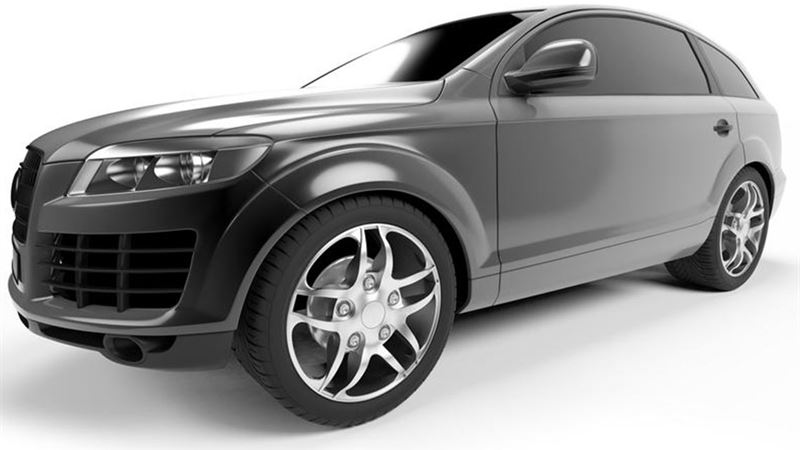
In recent years, luxury SUVs have surged in popularity among automotive enthusiasts and everyday drivers alike. These vehicles are renowned for their blend of high-end features, robust performance, and spacious comfort, making them standout options in the automotive market. However, like any vehicle, they come with their own set of pros and cons that potential buyers should carefully weigh before making a purchase.
One of the most significant benefits of opting for a premium SUV is the exceptional level of comfort and convenience it provides. These vehicles are designed with spacious interiors that accommodate drivers and passengers with ample headroom and legroom, thus making long journeys more comfortable. Many luxury SUVs come equipped with multiple seating configurations, such as third-row seats, which allow them to carry up to eight passengers comfortably. This makes them ideal for family trips, group travel, or even chauffeur services.
Beyond comfort, luxury SUVs boast advanced engineering and powerful performance capabilities. They are typically equipped with high-end turbocharged engines that can produce over 600 horsepower, offering impressive acceleration and top speeds. Coupled with sophisticated automatic transmission systems, these vehicles seamlessly switch gears, providing a smooth driving experience. Safety features are also a hallmark of these vehicles, often including adaptive cruise control, strategically positioned airbags, crash-resistant doors and windows, and electronic stability systems that enhance driving confidence and occupant protection.
In addition to performance and safety, luxury SUVs are packed with modern amenities designed to elevate the driving experience. They feature high-tech infotainment systems, premium sound systems, luxurious interiors crafted with fine materials, and numerous convenience features such as climate control, heated and ventilated seats, and advanced navigation systems. These elements collectively contribute to a vehicle that isn't just a means of transport but an experience in mobility and luxury.
Despite their many advantages, luxury SUVs are not without drawbacks. Their large size, while beneficial for interior space and safety, can pose significant challenges in urban environments. Parking becomes a major concern, especially in bustling city centers where parking spaces are limited or tightly packed. Maneuvering these sizable vehicles through narrow streets or congested traffic may require considerable skill and patience, and the risk of accidental bumps or scrapes increases.
Moreover, the premium features that make luxury SUVs desirable also contribute to their high purchase price. The initial cost often exceeds that of mid-range or compact SUVs by a substantial margin, putting them out of reach for many average buyers. The cost of maintaining such vehicles is also notably higher. Insurance premiums are elevated owing to the vehicle's value and repair costs, and servicing or replacing high-end components can be expensive. Routine maintenance, such as oil changes, tire replacements, and system diagnostics, tends to be pricier compared to standard vehicles.
Another important aspect is depreciation. Luxury SUVs tend to lose their value more quickly over time, which complicates resale planning. Even though the purchase price is high, their market value diminishes rapidly, making resale less attractive financially after a few years. Additionally, fuel consumption, despite technological advancements, often remains higher due to the powerful engines, potentially increasing the ongoing operational costs.
In conclusion, selecting a luxury SUV entails balancing the allure of premium comfort, advanced features, and superior performance against practical considerations like parking challenges, higher costs, and rapid depreciation. Whether these vehicles are suitable for your lifestyle depends on your individual needs, budget, and driving environment. Carefully evaluating these factors can help ensure your choice aligns with your expectations and financial planning.