
Comprehensive Comparison of Gas and Electric Oven Ranges: Advantages, Disadvantages, and Key Considerations
This comprehensive guide compares gas and electric oven ranges, exploring their features, benefits, drawbacks, and suitability for different cooking needs. It helps homeowners and chefs make an informed decision to upgrade their kitchens with the most suitable appliance, considering factors like performance, cost, safety, and design options. Whether you prefer quick-response gas burners or even-heating electric ovens, this detailed overview offers valuable insights for all cooking enthusiasts and homeowners aiming for optimal kitchen functionality.
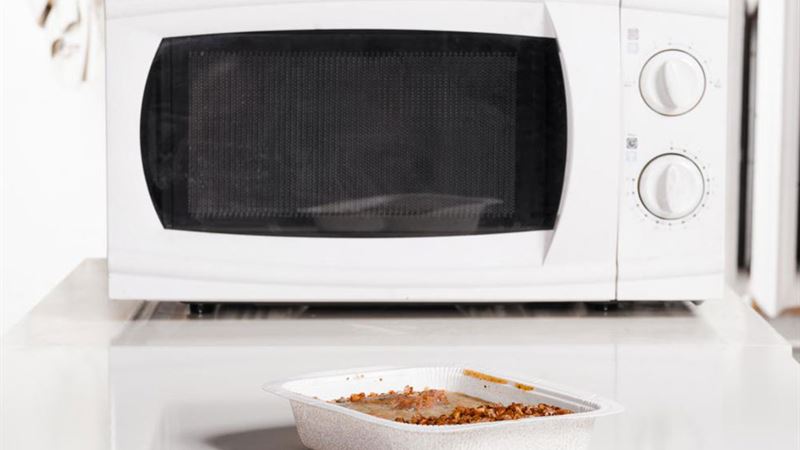
Choosing the right cooking appliance is crucial for any kitchen, and among the most debated options are gas and electric oven ranges. Both types have their unique benefits and drawbacks, making it essential to understand their features thoroughly before making a purchase decision. This extensive guide delves into the key aspects of gas and electric ranges, comparing their performance, operational costs, ease of use, and suitability for different cooking needs. Whether you're a professional chef, a baking enthusiast, or someone looking to upgrade your kitchen, understanding these differences will help you select the appliance that best matches your cooking style and budget.
Understanding the Basics of Gas and Electric Ranges
Gas and electric ranges are the two primary types of cooking appliances available in modern kitchens. Each operates on a different energy source, which significantly influences their performance, cost, and maintenance. Gas ranges utilize natural gas or propane to produce open flames, which directly heat cookware. Electric ranges, on the other hand, rely on electrical power to generate heat through coils or ceramic glass surfaces. The choice between the two often depends on factors like available utility connections, culinary preferences, energy costs, and aesthetic considerations.
Performance and Cooking Efficiency
One of the most noticeable differences between gas and electric ranges lies in their cooking behavior. Gas ranges offer quick response times, enabling precise control of flame intensity. This feature is particularly advantageous for households that engage in intense or diverse cooking styles, such as stir-frying or flambéing, where rapid temperature adjustments are necessary. Their open flames also offer visual cues that make it easier to judge heat levels.
Electric ranges excel in providing consistent and evenly distributed heat, which is essential for baking and delicate cooking tasks. The stable heat from electric coils or ceramic surfaces ensures uniform cooking results, making them preferable for baking cakes, bread, and pastries. Double oven electric ranges are especially valued by bakers because they often feature multiple racks and sophisticated temperature controls, facilitating complex baking projects.
Design and Range Options
Range configurations vary widely to accommodate different kitchen layouts and cooking preferences. Most gas ranges come with at least four burners, with high-end models offering up to five burners for greater flexibility. Many electric ranges mirror this design, with similar numbers of burners, but some feature advanced options like dual-zone heating or induction technology.
In addition to standard freestanding models, there are slide-in ranges that fit seamlessly between cabinets for a sleek look. These are available in both gas and electric configurations. Drop-in ranges are another popular type, integrated into custom cabinetry, offering a tailored appearance. Double oven electric ranges with multiple racks cater to large households or frequent bakers, allowing simultaneous cooking at different temperatures. Some units also incorporate convection fans, grill features, and warming drawers, broadening their culinary capabilities.
Advantages and Disadvantages of Gas Ranges
Gas ranges are celebrated for their rapid heating capabilities and precise flame control, which is essential for tasks like searing meats or simmering sauces. The immediate responsiveness of flames allows cooks to adjust heat swiftly, ensuring optimal cooking conditions. Additionally, when operating on natural gas or propane, the fuel costs tend to be lower compared to electricity, especially in regions where natural gas prices are economical.
However, gas ranges do have drawbacks. Their open flames pose safety concerns, especially if the range is near windows or drafty areas where flames might flicker. The tops and burners require regular cleaning to remove grease and food debris, which can be cumbersome. Furthermore, oven temperatures in gas ranges can sometimes be uneven, especially at the top and bottom, necessitating rotation of baked goods. The humid heat produced by gas ovens is less suitable for roasting or crisping foods, and the potential for gas leaks requires proper maintenance and ventilation.
Pros and Cons of Electric Ranges
Electric ranges are known for their ease of operation, clean appearance, and consistent heat distribution. The flat ceramic or glass cooktops provide a stable surface for pots and pans, minimizing spills and making cleaning straightforward. Many electric ranges feature additional cooking and warming options, such as built-in grills, convection fans, and warm zones, enhancing their versatility.
On the downside, electric ranges rely heavily on electrical power availability. During power outages, they become unusable, which can be inconvenient during emergencies or outages. The smooth ceramic or glass surfaces, while attractive, are fragile; accidental drops of heavy cookware or impacts can cause cracks or shattering. Special care must be taken to avoid scratching or spilling liquids that might damage the cooktop. Also, electric ovens can sometimes heat unevenly, especially in traditional coil models, although newer models with advanced technology tend to mitigate this issue.
Operational and Maintenance Considerations
When choosing between gas and electric ranges, it’s crucial to consider maintenance needs. Gas ranges require periodic cleaning of burners, ignition systems, and gas lines to ensure safety and efficiency. They also produce soot and residues that need removal to prevent buildup. Electric ranges, especially smooth-top models, are generally easier to clean; spills can be wiped away quickly, and the surfaces tend to accumulate less grime.
In terms of long-term operational costs, natural gas or propane tends to be more cost-effective compared to electricity, but this varies depending on regional utility rates. Installation requirements also differ: gas ranges necessitate proper gas line connections and ventilation, whereas electric ranges need appropriate power outlets, often requiring higher voltage wiring.
Environmental Impact and Safety
Both gas and electric ranges have environmental considerations. Gas ranges emit combustion gases like carbon monoxide, which can impact indoor air quality if not properly ventilated. They also contribute to greenhouse gas emissions. Electric ranges, depending on the energy source, may have a lower carbon footprint, particularly if the electricity comes from renewable sources. Safety concerns include gas leaks and open flames for gas ranges, while electric models pose a risk of electric shock or fire if damaged or improperly maintained.
Final Verdict: Which Range is Right for You?
The decision to choose between a gas or electric range depends on individual needs, kitchen setup, and budget. Gas ranges are ideal for those who prioritize quick heat response, precise flame control, and cost-effective operation. Electric ranges shine in delivering consistent, even heat, especially for baking, and are easier to clean and maintain for most users. Consider your cooking preferences, energy sources, safety factors, and aesthetic preferences when making your choice.
Ultimately, both types of ranges can serve as a valuable addition to any modern kitchen, enhancing cooking efficiency and culinary creativity. Understanding their features and limitations allows you to select a range that complements your lifestyle and culinary ambitions, ensuring years of reliable performance and delicious results.