
Comprehensive Strategies for Prevention and Management of Postherpetic Neuralgia
Discover comprehensive strategies to prevent and treat postherpetic neuralgia. Learn about vaccination options, early antiviral treatments, and multiple pain management techniques including medications, herbal remedies, and topical therapies. This detailed guide aims to help at-risk populations, especially older adults, effectively manage and prevent this persistent neuralgic condition, improving quality of life and reducing suffering.
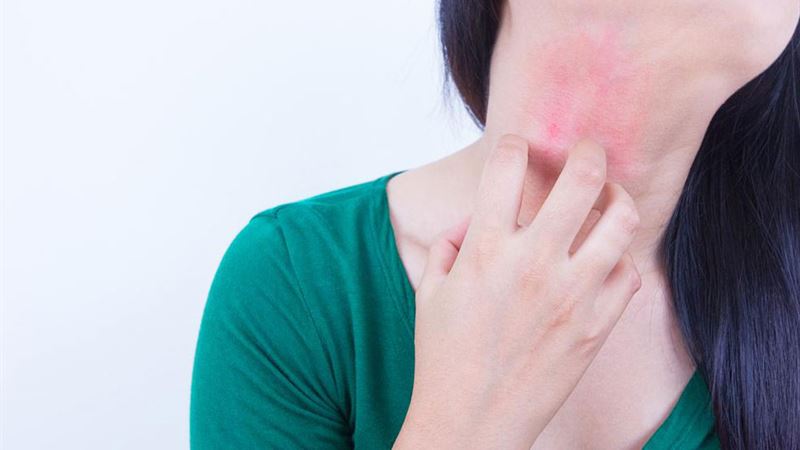
Postherpetic neuralgia (PHN) is a chronic pain condition that can develop after an outbreak of shingles, especially affecting older adults. While many cases of shingles resolve spontaneously within weeks, a significant subset of individuals—approximately 10 to 20 percent—suffer from lingering nerve pain that persists for months, or even years. This condition is characterized by persistent neuropathic pain localized in the same area affected by shingles, often described as burning, stabbing, or throbbing sensations. The severity of pain varies considerably among individuals, with some experiencing mild discomfort and others enduring intense agony that can be triggered by minor stimuli such as clothing friction or a gentle breeze.
Understanding the nuances of postherpetic neuralgia, its causes, prevention strategies, and treatments is essential for those at risk, especially seniors. This article delves into the details of postherpetic neuralgia, discussing how it develops, measures to prevent it, and the most effective treatments available today to alleviate pain and improve quality of life.
Strategies for Preventing Postherpetic Neuralgia
At present, the precise mechanisms leading to PHN remain somewhat elusive. Nevertheless, several preventive measures and treatments can significantly reduce the risk of developing this chronic pain condition or mitigate its severity. Understanding these options provides a proactive approach for at-risk populations, especially older adults who are more vulnerable.
Vaccination with Zoster Vaccine
The Zoster vaccine, commercially known as Zostavax, plays a crucial role in preventing shingles and subsequently reducing the occurrence of postherpetic neuralgia. The vaccine works by boosting the immune system's ability to keep the dormant varicella-zoster virus in check, thus minimizing the likelihood of reactivation. It has been shown that vaccination can diminish the chances of developing PHN by nearly fifty percent.
Importantly, there is no upper age limit for vaccination, making it suitable for adults of all ages, especially those over 50 or 60. The vaccine can be administered even after a shingles episode to prevent future flare-ups. Moreover, ongoing research suggests that revaccination or booster doses may further enhance protection, especially for immunocompromised individuals. Overall, vaccination remains the most effective primary preventive measure against PHN, especially when combined with other health management strategies.
Early Use of Antiviral Medications
Within the initial stages of shingles, antiviral medications such as valacyclovir (Valtrex), famciclovir (Famvir), and acyclovir (Zovirax) are prescribed to reduce viral replication and speed up rash healing. If administered within 72 hours of rash appearance, these drugs can significantly lower the risk of developing postherpetic neuralgia. They work by curbing the viral activity, thus reducing nerve damage and inflammation.
Most clinicians recommend initiating antiviral therapy as soon as shingles is diagnosed, even if the rash has been present for a few days. While starting treatment within three days yields the best results, recent evidence suggests benefits may still accrue if therapy begins early in the course of the disease. In addition to accelerating rash resolution, antivirals may also diminish nerve injury severity, thus decreasing the likelihood of PHN.
Managing Postherpetic Neuralgia: Therapeutic Approaches
Once PHN has developed, treatments focus primarily on pain relief and nerve regeneration. Since antiviral medications are less effective after the initial shingles phase, the emphasis shifts to symptom management, utilizing various medications and therapies to diminish suffering and restore function.
Medication-Based Treatments
- Tricyclic Antidepressants
- Older medications like nortriptyline (Pamelor), amitriptyline (Elavil), and desipramine (Norpramin) are frequently prescribed for chronic nerve pain. They modulate nerve signaling pathways and can significantly reduce pain intensity. Side effects may include dry mouth, drowsiness, or dizziness, so careful medical supervision is essential.
- Herbal and Topical Remedies
- Natural oils and creams derived from plants such as lavender, eucalyptus, bergamot, and tea tree exhibit anti-inflammatory and soothing effects. Applied directly on the skin or used as infusions (teas), these herbal products can soothe inflamed nerves, reduce swelling, and alleviate discomfort. While natural, their use should be discussed with healthcare providers to ensure safety and efficacy.
- Opioids for Severe Pain
- In cases of severe, unmanageable pain, doctors may prescribe strong opioids such as morphine, oxycodone, or methadone. These potent painkillers work by binding to opioid receptors in the nervous system, blocking pain signals. Due to potential dependency and side effects, their use is carefully monitored and usually reserved for the most severe cases.
- Topical Capsaicin Patches – Qutenza
- Qutenza patches contain high concentrations of capsaicin, the active compound in chili peppers, and are applied directly to the affected skin area. They work by depleting nerve endings of pain signals, effectively decreasing nerve sensitivity and reducing pain over time. Typically, patches are applied under medical oversight once every three months for long-term relief, especially in cases resistant to other treatments.
- Lidocaine Topical Agents
- Lidocaine, a local anesthetic, is available as gel, patches, and creams designed to numb nerve endings locally. Applying lidocaine in affected areas prevents nerve signals from transmitting pain, providing temporary relief. This approach is often combined with other therapies for a comprehensive pain management plan.
Comprehensive management of PHN involves a combination of medication, lifestyle adjustments, and supportive therapies. The combination approach is individualized based on patient health status, pain severity, and response to initial treatments. Regular follow-up with healthcare providers is essential for tailoring effective pain control strategies and enhancing quality of life.
Overall, the management of postherpetic neuralgia remains a challenge but is increasingly effective with advancements in antiviral therapy, vaccination, and pain management techniques. Early intervention, preventive measures, and a multidisciplinary treatment plan are crucial for minimizing suffering and helping individuals regain their independence and comfort.