Choosing the perfect children's boots requires attention to fit, material quality, insulation, and safety features. Regularly measure your child's feet, assess the materials and sole traction, and consider weather conditions to select suitable footwear. Ensuring easy closure, comfort, and proper insulation will keep your child's feet warm, dry, and supported. Always test shoes for fit and comfort before purchase, and involve your child in the selection process for the best results. With these detailed tips, you'll find boots that support your child's growth and active lifestyle effectively.
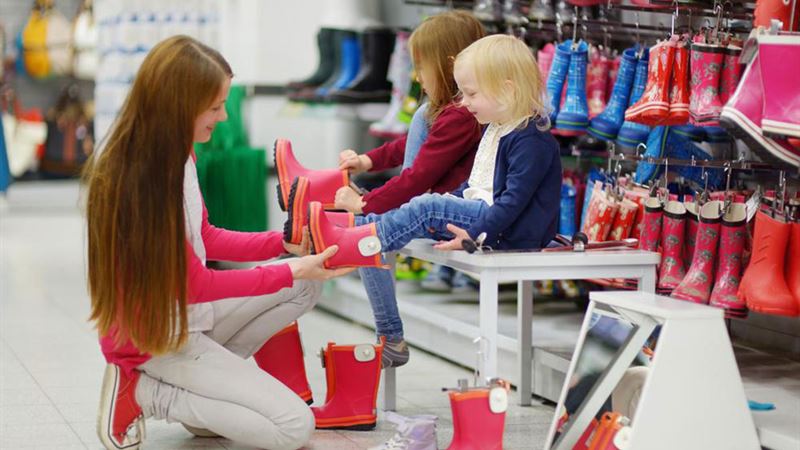
Choosing the right footwear for your child is crucial for their comfort, safety, and foot development. Whether you're shopping for everyday wear, outdoor adventures, or snow days, understanding what to look for can make all the difference. When selecting children's boots, always prioritize proper fit, material quality, insulation, and safety features. Many parents overlook the importance of accurate foot measurement and testing footwear before purchase. This comprehensive guide provides essential tips to help you find the ideal boots that will support your child's active lifestyle and growing feet.
- The importance of accurate foot measurement
Knowing your child's correct foot size is fundamental to choosing comfortable and supportive footwear. Children's feet grow rapidly, averaging about 2-3 sizes per year in early childhood, so regular measurement is necessary to ensure proper fit and avoid issues like blisters, sore spots, or long-term foot deformities. If you can’t measure at home, visit a specialized children's shoe store where professionals can accurately measure your child's feet. Remember to measure both feet, as they can vary in size, and always select the size that fits the larger foot. It's recommended to do this annually, or more frequently if your child is very active or experiencing growth spurts.
- Assessing materials and sole quality
When selecting children’s boots, pay close attention to the materials used. Leather and suede are durable, breathable, and provide flexibility, making them excellent choices for everyday wear. For parents seeking vegan options, synthetic materials like high-quality faux leather, nylon, or rubber are suitable. Waterproof qualities are essential, especially for outdoor use; look for boots with soles made of rubber or waterproof membrane linings to keep feet dry in wet conditions. The outsole’s design should include deep grooves and non-slip patterns to provide optimal traction on various surfaces, reducing the risk of slips and falls during outdoor activities.
- Ensuring proper insulation for warmth
In colder climates or during winter, insulation becomes a critical factor. Well-insulated boots keep your child's feet warm and comfortable while playing in snow or cold weather. Soft, thick lining materials like fleece or faux fur are excellent for providing insulation, while maintaining flexibility and comfort. Make sure the boots are rated for the temperatures typical of your region, and verify that they offer sufficient space for thick socks if necessary. Proper insulation not only enhances comfort but also helps prevent frostbite and cold-related discomfort, keeping your child safe in harsh winter conditions.
- Ease of opening and secure fit
Children’s boots should be easy to put on and take off, with features that accommodate growing feet. Check how wide the opening is; a wider opening makes donning and doffing more manageable for small hands. Zippers and Velcro closures are popular choices because they provide a secure fit while being simple for children to operate independently. Avoid boots with overly tight openings, which can restrict foot insertion and cause discomfort. Also, ensure that the ankle area is snug but not tight to prevent slipping while allowing free movement. Proper closure systems contribute significantly to overall comfort and ease of use.
- Testing for comfort and safety
Before making a purchase, always test the boots by letting your child try them on. Walk around the store to assess comfort, ensuring there’s enough room for toes to move freely without being cramped. The soles should feature slip-resistant grooves—this is vital for safety on wet or uneven surfaces. Observe how the boots feel when walking; if there is pinching, chafing, or discomfort, consider trying a different size or model. Remember to check for any loose stitching or weak spots that may cause durability issues over time. Ensuring proper fit, comfort, and safety features will help your child enjoy their footwear while supporting healthy foot development.
- Matching boots to weather conditions and growth considerations
Choosing boots tailored to your local climate is essential. For snowy regions, prioritize waterproof boots with good insulation and sturdy soles for traction. In rainy environments, waterproof and quick-drying materials are ideal. For mild weather, breathable boots may suffice to prevent overheating. Always leave some room for growth; children’s feet can grow quickly, so pick a size that allows a little extra space—about a thumb’s width at the front. Regularly check and replace shoes as needed to prevent discomfort and support healthy foot development. Involving your child in the selection process ensures they find boots they enjoy wearing, which encourages consistent use and proper foot health.
In conclusion, selecting the right children's boots requires attention to detail, proper measurement, and assessing the specific needs based on climate and activity levels. Prioritize comfort, safety, and durability to ensure your child's feet are well-supported as they grow. Remember that fitting footwear correctly is an ongoing process, so keep up with routine measurements and try on new shoes before purchasing. By following these comprehensive guidelines, you can ensure your child’s footwear is both practical and comfortable, supporting their active lifestyle while promoting healthy foot development.
